
Current Projects
Current Projects
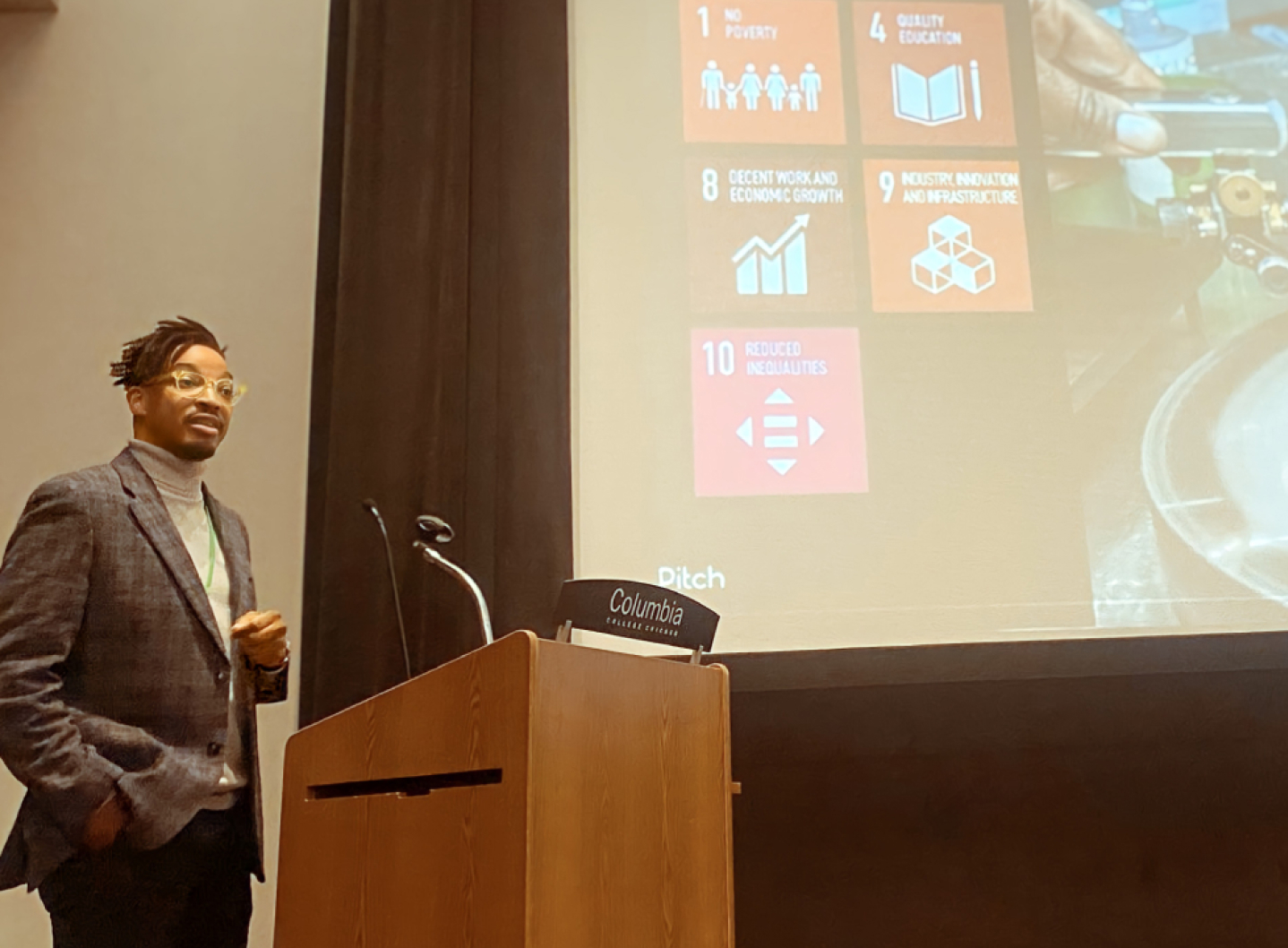
- Root Foundation, Co-Design System & Makers’ Space // 2024
- Transition Design, African Mineral Pulse // Carnegie Mellon University, Panel Series // 2025
- AI As Raw Materials for Design // Design Research Society // 2025
- Selecting Diamond Rough, A Guide for Artisanal Miners // Pact + GIA partnership // 2025
Words + Publications
Books
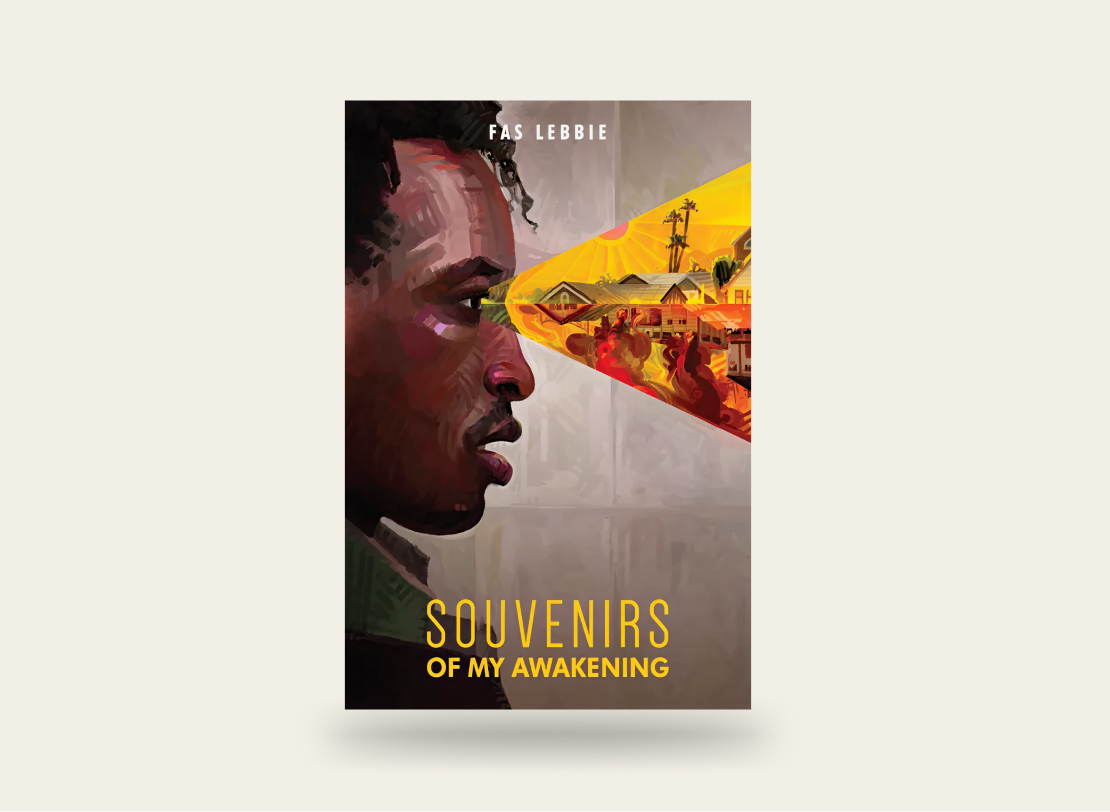
- Published: Souvenirs of my Awakening, Memoir (2020)
- In the Making // Mineral Choreography: Extraction Sites Vol 1
Journals, Blogs & Articles
- Mineral Choreography: A Post-Extractive Design For Transition (Transition Design, 2025)
- The Embedded Ally: A Methodological Orientation for Relational Research Engagement (CoDesign 2025)
- An Archaeological & Visual Narrative of Extractive, Pre-Extractive and Post-Extractive Worldviews (Historical Analysis, 2025)
- Scalar Framework: A Multi-Level Leadership Tool Towards Design Excellence & Transitions (Design Leadership, 2024)
- Peace, Hope, and Prosperity through Diamond Cutting, Summer 2023 Volume 32S
- Modeling Sustainability and Equity: Artisanal Mining New Realities, Future Possibilities for Sustainable Development.
- Storied Ontologies: The Power of Storytelling to Shape
- Culture, Marketplace, and Consumer Behavior(2022)
- Creating Climate Justice, Parsons School of Design (Sustainability & Equity, re: D 2022)
- Equitable Capitalism, Parsons Transdisciplinary Design (2022)
- A Journey of Self Decolonization (2022)
- How Transdisciplinary Design Liberated Me to be a Better Entrepreneur (2022)
- Why I Remain Hopeful amid Racial Violence in 2020
- Racial injustice 2.0: Race and Design in the Age of Algorithms (2020)
PHD Thesis
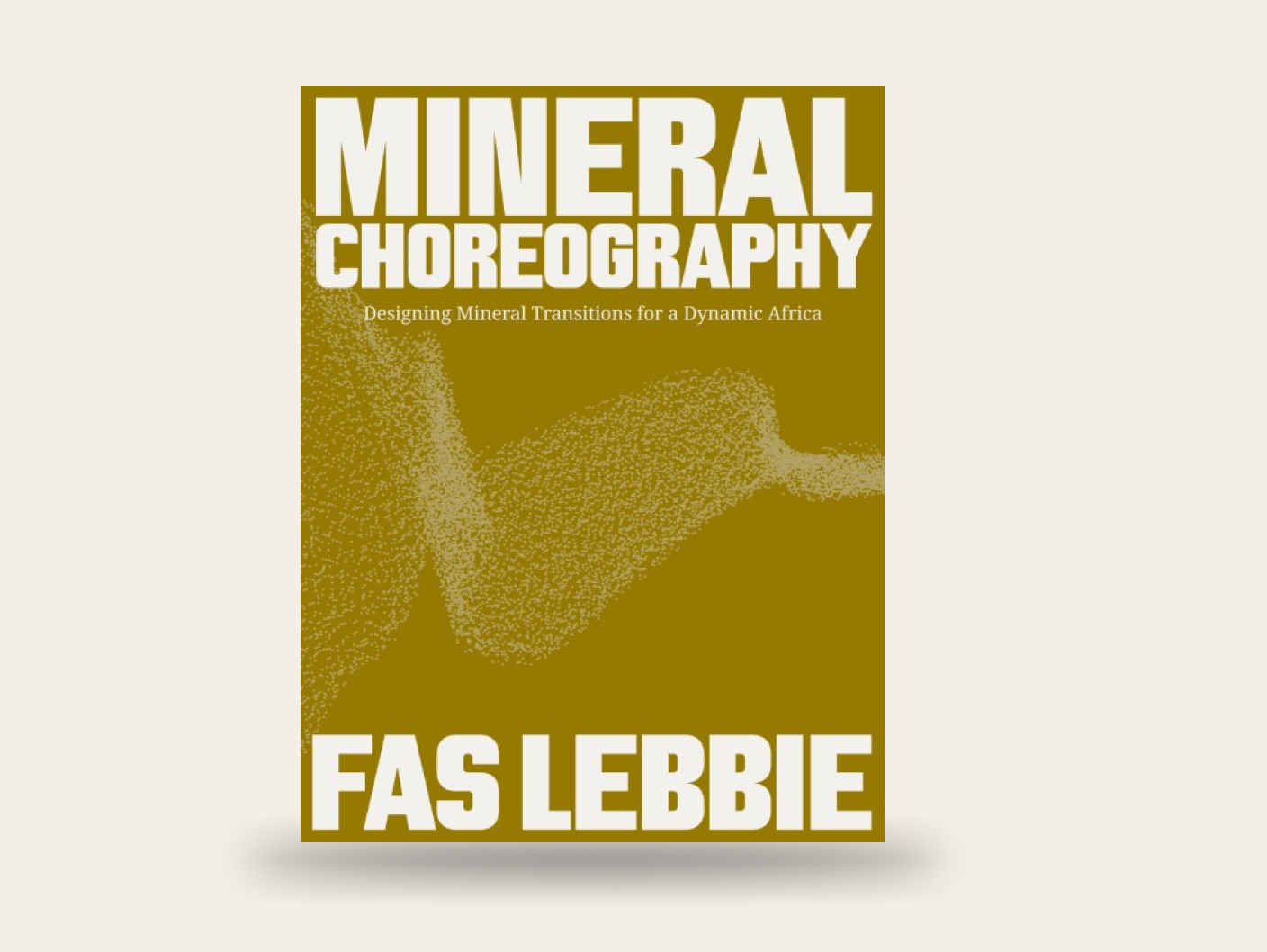
Mineral Choreography: Designing Mineral Transitions for a Dynamic Africa
Minerals are crucial to modern life because they are used to create materials, enabling technologies we use every day. However, a century of burgeoning consumerism, fueled by growth-oriented western capitalism, has led to an acceleration of resource extraction, which depletes mineral resources, accelerates climate change, and increases labor exploitation. The failures of sustainable development practices related to extractivism indicate ontological design challenges within the relational space connecting humans, minerals, and the natural environment. These challenges show how resource extraction effects, and is effected by, a paradoxical core–periphery worldview. In Africa, these worldviews reverberate intensely where mining communities are trapped in an endless cycle of extractive obesity, disrupting social, ecological, and cultural well-being.
Drawing from two decades of fieldwork within mining communities in Sierra Leone, Africa, this research investigates how design decisions and specific worldviews shape unsustainable mineral trajectories. It explores how design can reframe our relationship with resources and be leveraged to transition mineral-dependent economies toward more sustainable and equitable futures. Throughout this work, I draw from African decolonial theories, ontological design, and systems design, employing mixed-methods, place-based, and liberatory research methodologies to analyze mineral trajectories across two primary groups. The first is in the provincial artisanal mining communities in the Kono District of Sierra Leone. I explore Kono's relationship with its minerals through six case studies from the pre-extractive past, the extractive present, and emerging post-extractive practices that delineate a possible future. The second examines consumption sites in American urban privilege zones, far removed from the aforementioned extractive reality.
The research presents an original reframing of design as "mineral choreography," reorienting understandings of minerals as active agents in processes of socio-technical transition. Rather than treating mineral flows as static industrial processes, this work demonstrates that mineral systems are designed, choreographed, and contested spaces shaped by worldviews, agency, and power structures over time.
The major contribution of this work is a "primer" comprising nine elements that establish a new domain of inquiry at the intersection of design, the extractive sector, and sustainability transitions. Collectively, these elements impact three main areas: Transition Design as a discipline, transitions in mineral resource systems in the extractive sector, and African mineral transitions. It establishes new Transition Design frameworks and tools that offer a systems-level perspective for analyzing mineral choreographies. It defines design as an active force within extractive industries that shapes mineral systems and their trajectories. Finally, it identifies frameworks for community-driven resource infrastructures that center local knowledge and agency as a means to powerfully reimagine mineral relations—enabling diverse actors, including mining communities, academic researchers, design practitioners, and policymakers, to activate post-extractive mineral futures.
Cite: Lebbie, Fas. (2025). Mineral Choreography: Designing Mineral Transitions for a Dynamic Africa. Doctoral thesis, Carnegie Mellon University
Teaching Philosophy

My teaching philosophy emphasizes transforming classroom knowledge into practical implementation. Knowledge is not merely imparted in the classroom but co-created through active engagement and applied in practical settings. My LTP cycle is a holistic approach that encompasses three key stages
- Learn it: Develops strategies for students to build theoretical capacity through readings and discussions in class and their translation into practical concepts.
- Teach it: Builds communication and knowledge capacities through in-class sessions that allow students to teach, discuss, and present class materials to their peers.
- Practice it: Challenges students to apply the class’s theoretical concepts in practical ways, resulting in tangible learning portfolios.
My LTP approach is delivered through active learning and reflective assessment, exposure to hands-on learning portfolios, and studio-like approaches for the critical, creative, and practical applications of ideas. My teaching empowers students to become agents of change in their communities and industries.
Syllabi
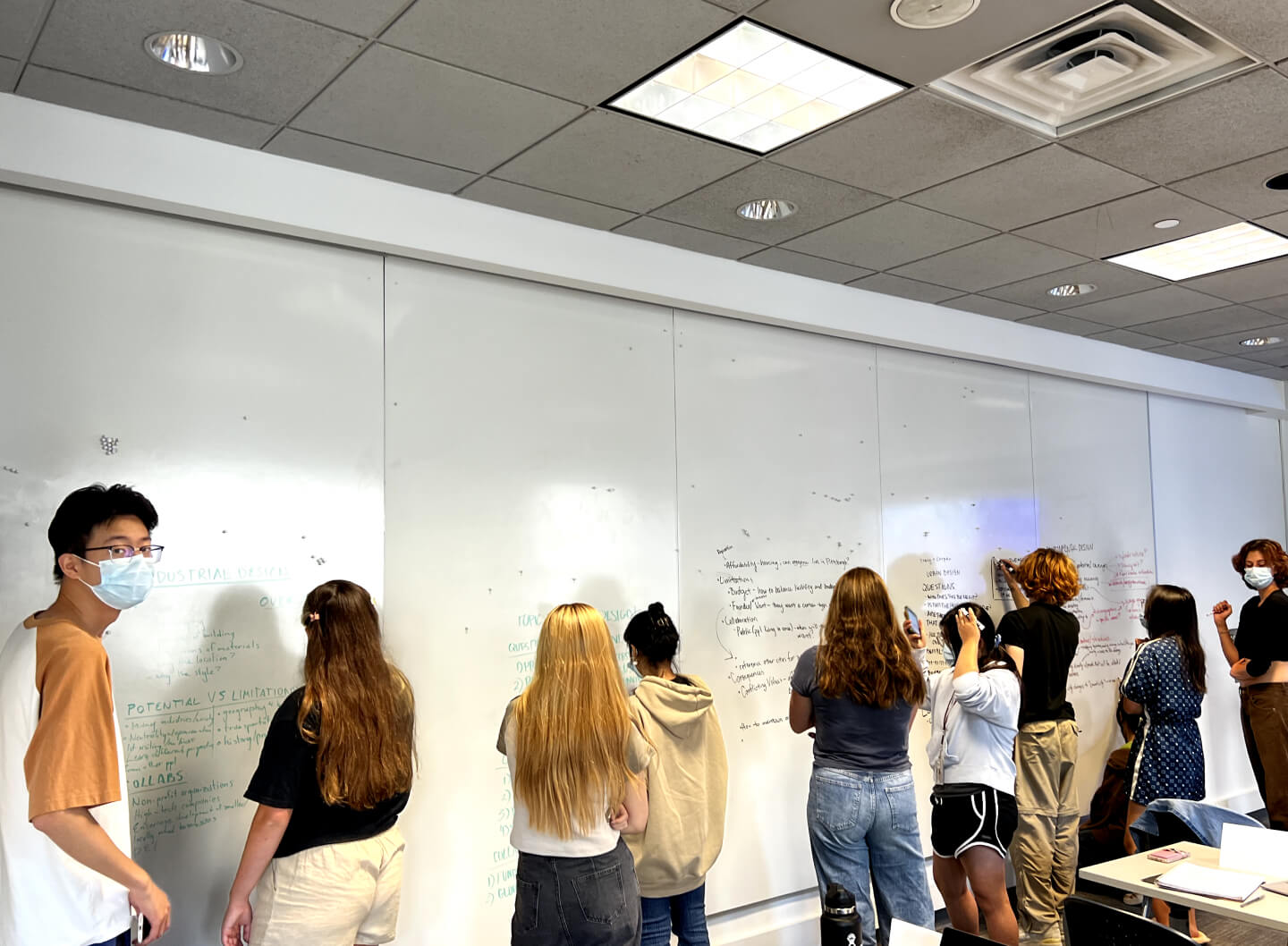
Design Studies // Persuasion // Lead Instructor // Carnegie Mellon University // 2023
This course for undergraduate design students equips students with the skills to create impactful designs by leveraging persuasion techniques. The course focuses on influencing user attitudes, emotions, and behaviors through implicit and explicit methods. Emphasizing persuasion’s importance in a designer’s career, students learn to communicate design ideas, convince stakeholders, and advocate for user needs. The course also fosters critical thinking, encouraging students to examine how design, media, and the environment influence them.
Design Studies // Place // Lead Instructor // Carnegie Mellon University // 2024
This course, designed for undergraduate design majors, focuses on physical spaces, defining “Place” as a dynamic environment influenced by design. It encourages students to consider factors such as climate, infrastructure, waste, and tools like maps and guides. Emphasizing the importance of contextualizing design practice and design’s impact on existing realities, the course explores how cities and their narratives impact design choices and outcomes. The course also provides a platform for applying abstract concepts to site-specific projects influenced by demographics and location.
Design for the 21st Century // Lead Instructor // SFK International College of Arts // 2024
Developed as a Visiting Professor at SFK, my lecture/seminar course examines art, design, and technology from individual, systemic, and global perspectives. Featuring contemporary designers, artists, and technology practitioners, the course addresses topics like access and digital inclusion, biometrics and biohacking, AI and racial bias, privacy and surveillance, environmental disruption, and global migration. It explores the role of creative agency in personal, local, and global contexts and emphasizes creative resilience. Students grapple with ethical questions and harness imagination for change.
Sustainable Foundations for Mineral Design: Local Resources in Global Contexts // Lead Instructor // Njala University // 2024
This course explores mineral resource systems within a design studies framework. It focuses on the taxonomy and experimental uses of place-based minerals, highlighting local and global applications. Students examine the non-economic values of minerals, considering their societal, cultural, and ecological roles. The course emphasizes the material-relational dimensions of minerals, their impact on communities, and the reliance on these minerals for technology development. The curriculum also addresses the strategic use of alternative minerals to support communities beyond primary resources, preparing students to advocate for fair valuation practices and sustainable development.