
Overview
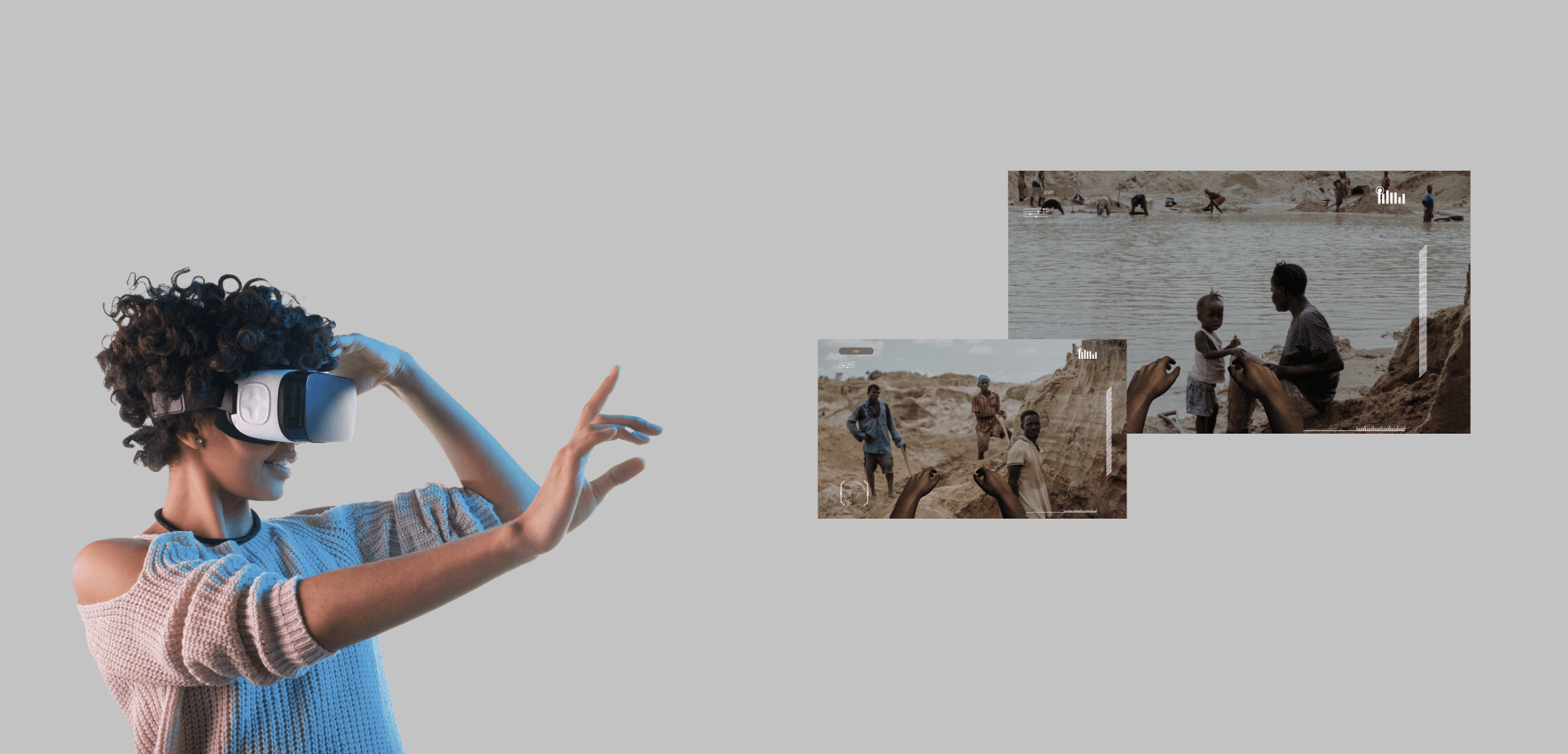
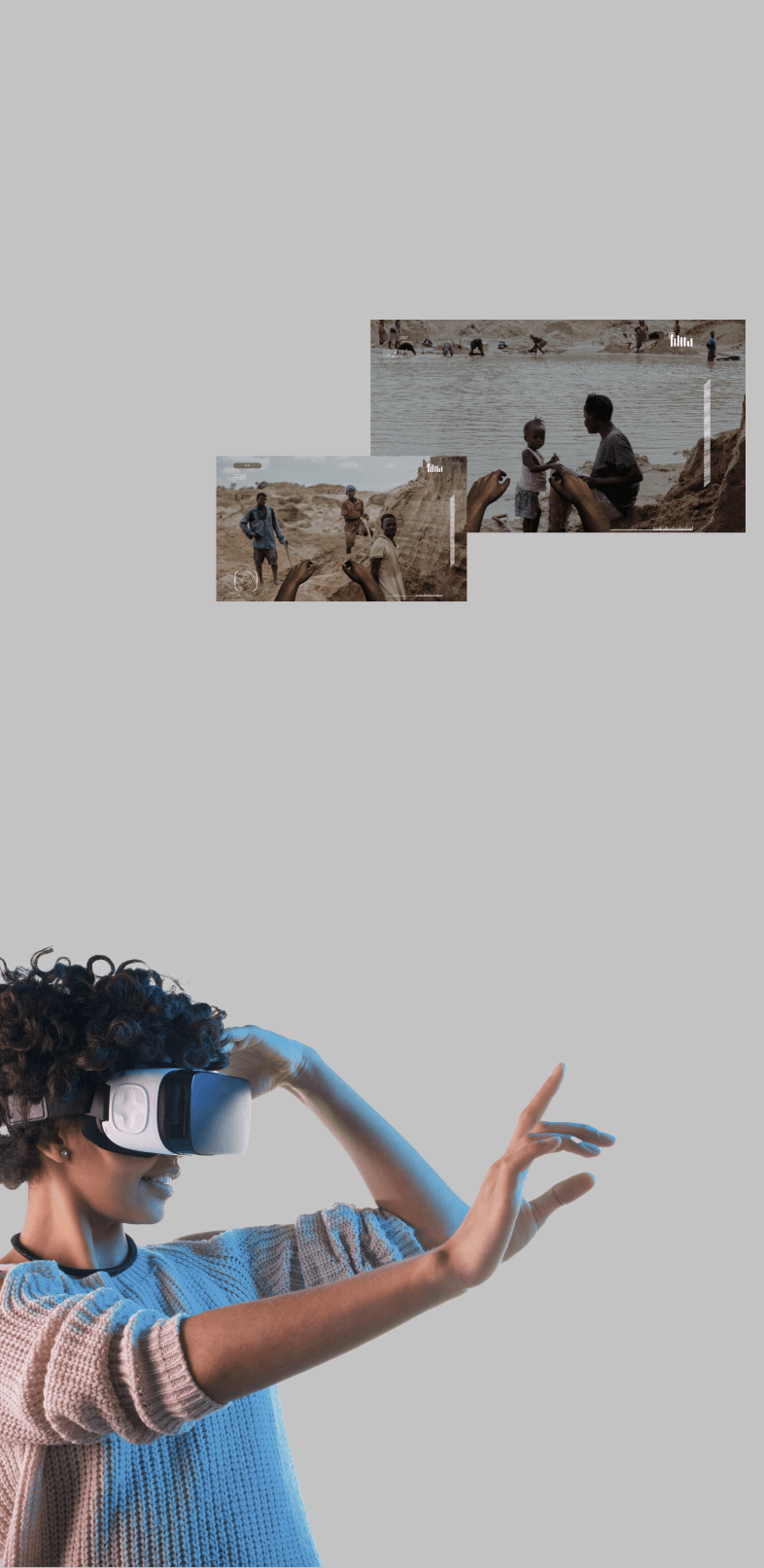
Root VR connects consumers with the experiences of diamond miners in Sierra Leone through immersive storytelling. The experience allows users to virtually step into an artisanal diamond mining community in Kono, and it generates empathy by revealing the challenges and inequities miners face. Users interact with the environment and experience the harsh realities of mining life, where both human bodies and the land are sacrificed for profits. Our field research in mining communities has shaped an authentic experience that honors miners’ daily realities while transforming consumer awareness into actionable empathy that can change buying behavior and transform the diamond supply chain.
Research & Design
Field ethnographic research · Sensory Ethnography · VR experience design · Immersive storytelling
- Duration: January - December 2021
- Partners: Parsons School of Design, National Minerals Agency, Ministry of Mines, local mining communities in the Kono District
- Team: Fas Lebbie, Jake Peterson
WHAT I BROUGHT
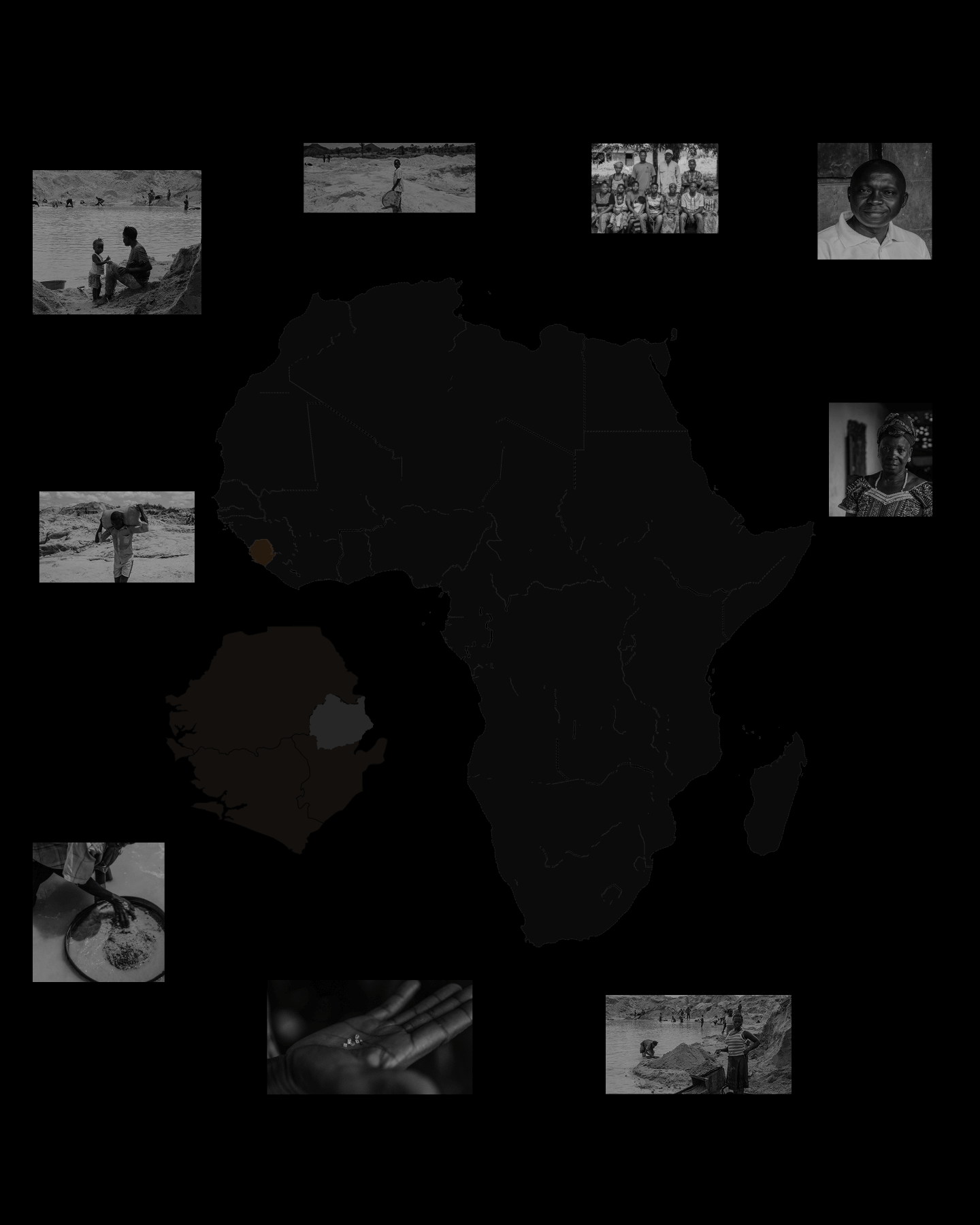
I conducted six-month ethnographic fieldwork in Sierra Leone's mining communities, employing mixed-methods research with fifteen working miners to generate insights that shaped VR interaction patterns and narrative arcs.
I designed immersive VR experiences, prototyping with miners and consumers to create embodied understanding through strategic sensory design.
Worked with cross-functional teams, including dev across Sierra Leone and New York, directing creative strategy for innovative VR empathy technology that bridged consumer-miner gaps.
Problem Context
The diamond industry faces a critical disconnect between consumer awareness and the human realities of extraction. This impact is felt most in artisanal mining communities, which extract 20-30% of diamonds. Field studies with artisanal miners in Sierra Leone’s Kono District showed the factors that define their daily lives: unsafe working conditions, environmental hazards, miners’ material footprints on the environment, and economic instability. Despite industry efforts toward ethical sourcing, consumers remain detached from the human cost behind their diamond purchases. This disconnect prevents meaningful engagement with the challenges faced by mining communities and limits consumers’ ability to make truly informed purchasing decisions. By bridging this awareness gap, we can transform how consumers relate to diamond purchases and the people behind them, potentially creating positive change in the industry.
My Approach
My design philosophy centers on creating an embodied understanding of the problem space. I leveraged VR’s unique power to generate what Philippe Bertrand et al. calls “actionable empathy”, a perceptual illusion of embodiment that allows users to temporarily experience another’s reality. Bertrand identified this feeling as key for designers because it challenges people’s consciences and biases by placing them in someone else’s experience. By integrating field research from the Kono District with iterative design methodologies, I created an experience that transforms abstract supply chain concepts into visceral encounters. This approach recognizes that true behavioral change requires more than information; it demands genuine connection. Through VR, users temporarily live through miners’ challenges, generating tangible solidarity that motivates action. The methodology balanced authentic representation with emotional engagement, ensuring the experience honors miners’ realities while creating meaningful connections that inspire change.
Design Process
Stanford’s VR empathy research showed that VR participants experienced an 82% increase in support for social causes. These findings suggest immersive experiences could bridge the disconnect between consumers and mining communities. The market analysis confirmed VR’s growing accessibility, with 10 million headsets sold, creating potential for widespread impact beyond niche audiences. We identified that conventional educational approaches to supply chain ethics were failing to develop lasting connections or behavioral change. Studies showed VR participants were 82% more likely to support related social causes, with effects lasting months after the experience, suggesting potential for sustained impact.
Field research in Sierra Leone’s Kono District captured miners’ daily challenges. My team and I employed a mixed-methods ethnographic approach including contextual inquiry at active mining sites, semi-structured interviews with 15 working miners, environmental mapping with photography and 360° video, binaural audio recording of worksite ambient sounds, participatory observation of mining techniques, artifact analysis of tools and equipment, journey mapping of daily routines, and ecological impact assessments of mining activities on surrounding communities. Having been born in the Kono District, my connection to the region provided additional validation and cultural context for our findings. We prioritized understanding three core elements: the mining environment’s authentic conditions, critical decision points miners face daily, and the physical realities of their labor.
Some of our findings on the consumer side reveal that the diamond industry’s traditional transparency efforts fail to create meaningful connections. Only 63% of consumers engaged with standard educational materials about mining conditions, with even fewer retaining this information or changing their behavior because of it. VR’s embodied experience showed the potential to transform passive knowledge into active solidarity, creating stronger emotional connections and knowledge retention than conventional approaches.
The findings highlight miners’ stark realities, including economic pressures that force them to sell personal possessions to obtain essential equipment. They work under hazardous conditions, confronting the dangers of contaminated water and unstable terrain daily. Additionally, the demanding nature of this physical labor takes a significant toll on their bodies, underscoring the urgent need for better support and resources for these workers.
These findings influenced our design intervention, ensuring the final experience was grounded in diamond miners’ realities, aiming to engage consumers in ways traditional methods could not achieve.
The intervention aims to support marketing narratives for our target audience, including socially conscious consumers who care about ethical sourcing but lack tangible connections to the human stories behind their purchases.
We proposed an immersive VR experience that could empower users to temporarily embody a miner’s daily reality, facilitating a simplified yet powerful emotional journey and allowing users to develop solidarity with mining communities without requiring extensive background knowledge. From this foundation, we proposed three facets of intervention that our design solution must have:
- We needed an authentic environmental recreation that represented actual mining conditions, which ensured users engaged with genuine challenges rather than sanitized versions.
- The VR journey would incorporate actual choices miners face daily, translating abstract supply chain concepts into tangible personal dilemmas.
- We would create an embodied physical experience by ensuring users physically experienced aspects of miners’ labor. Haptic feedback and interaction would be paramount to foster genuine understanding and motivate changed consumer behavior.
We prototyped the designs with miners in Sierra Leone and potential consumers in the U.S. For consumers in the U.S., we tested with 12 participants in New York City, showing low-fidelity wireframes, storyboarding, and establishing narrative flow and core interaction mechanics. I also developed interactive prototypes that tested hand presence and environmental interactions using the design and technology facilities at Parsons School of Design. We discovered that haptic feedback significantly enhanced immersion, with 86% of testers reporting stronger emotional responses when physically feeling the weight of mining tools. Preserving cultural accuracy was difficult given the constraints of technology; however, by leveraging my lived experiences and working directly with miners, we created an authentic representation of miners’ lived realities, from accurate ambient sounds to realistic lighting conditions. We found the optimal experience length was 10 minutes — long enough to create empathy but short enough to maintain engagement. We also discussed the potential for mall-based empathy stations where consumers could experience the VR journey during shopping trips, addressing the limited home VR adoption while meeting consumers where they are.
Design Interventions
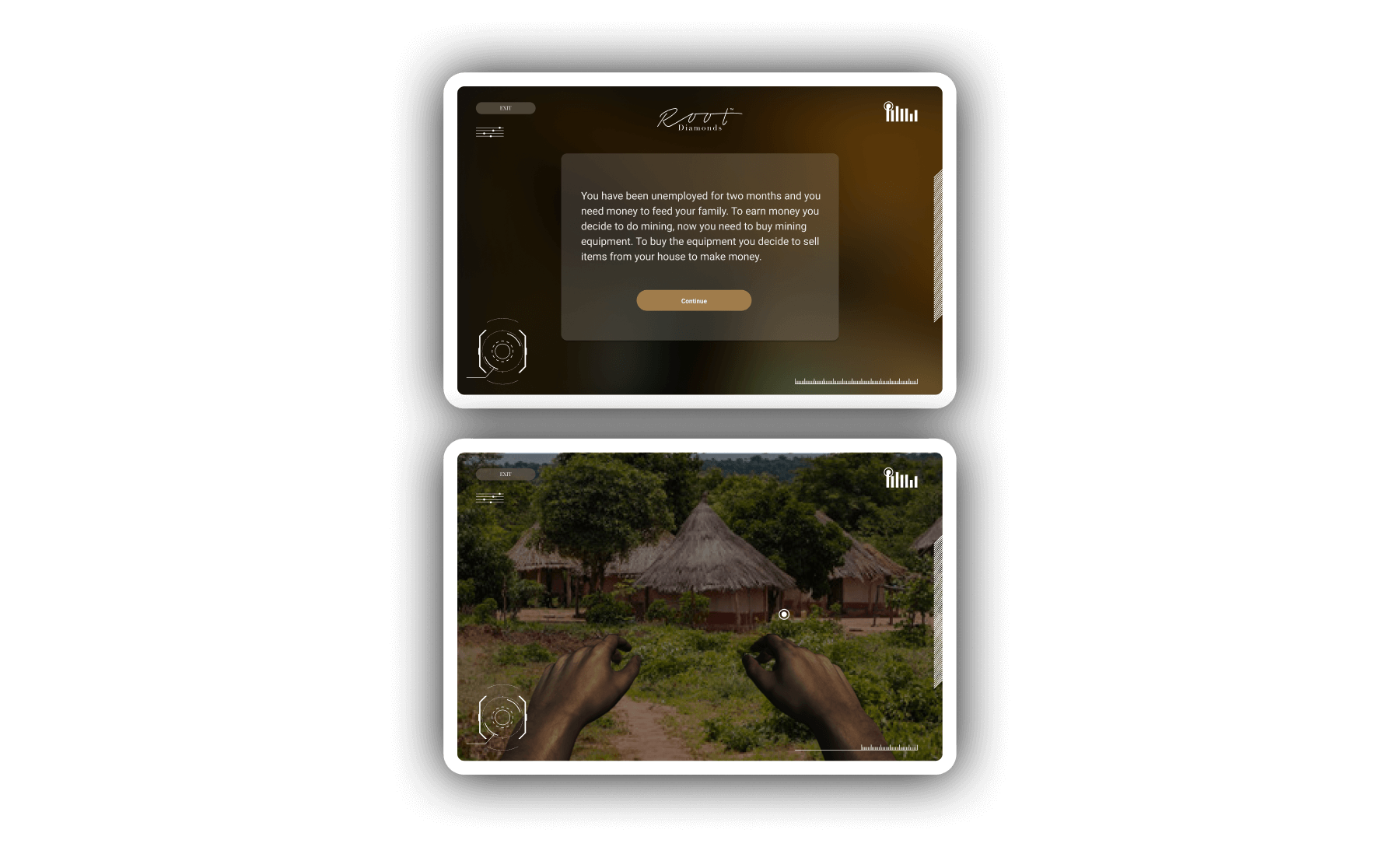
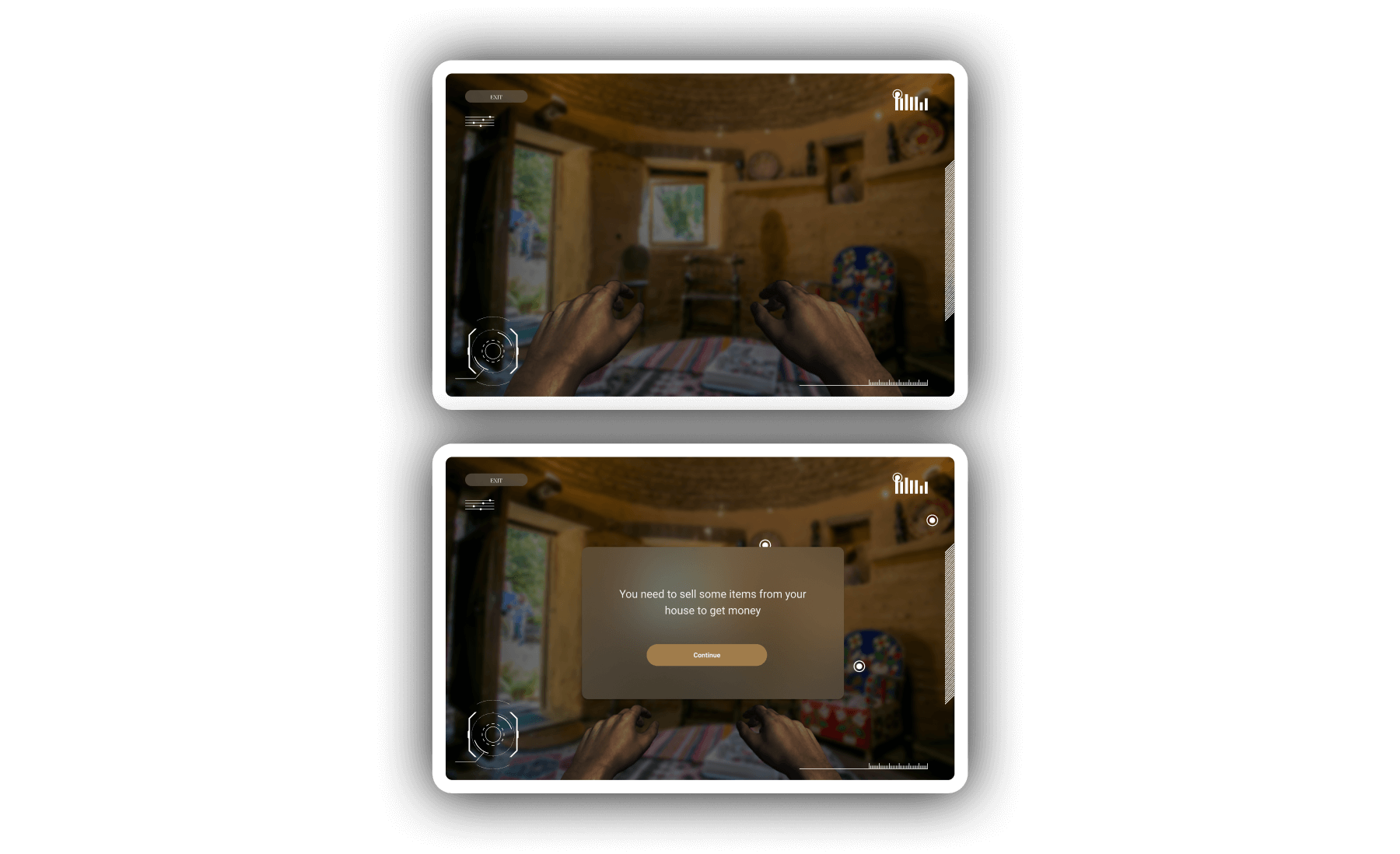
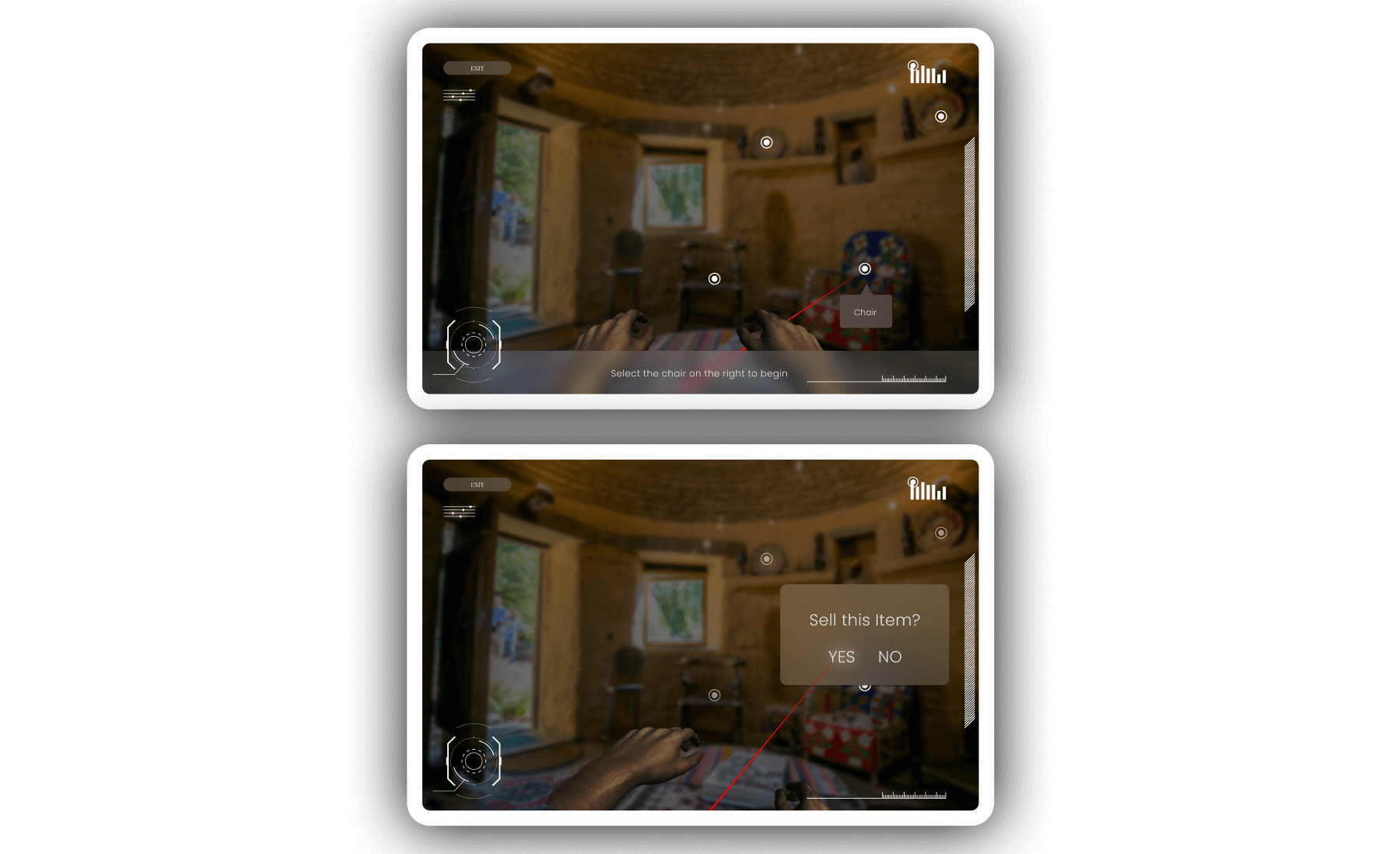
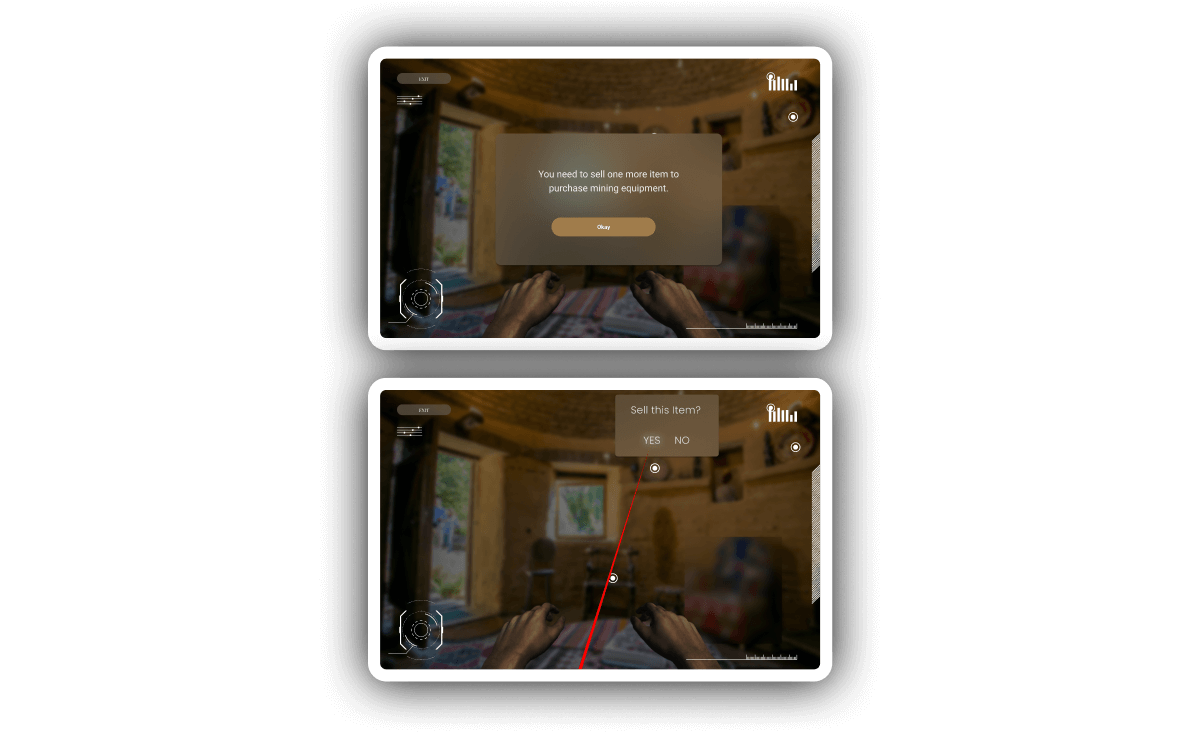
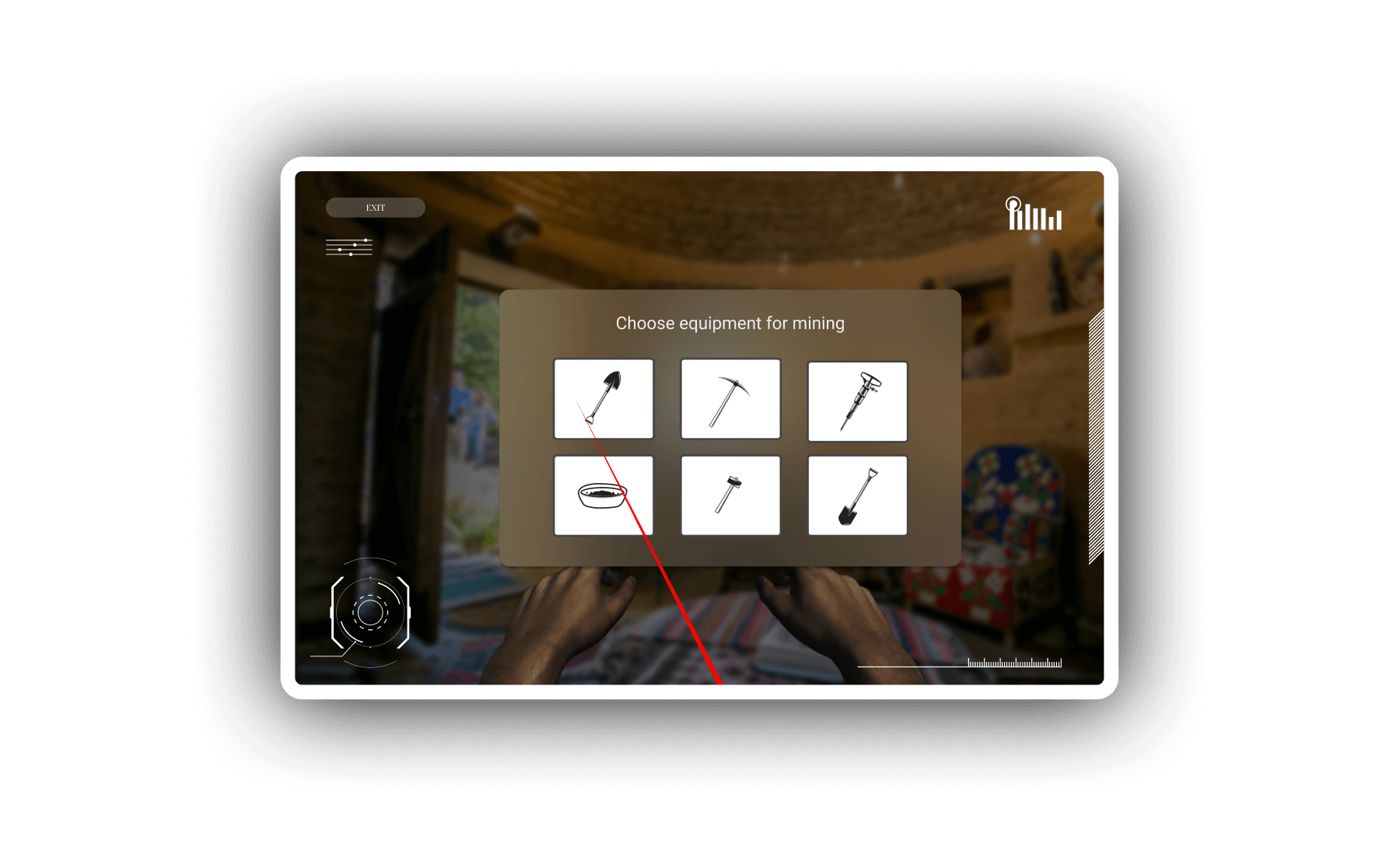
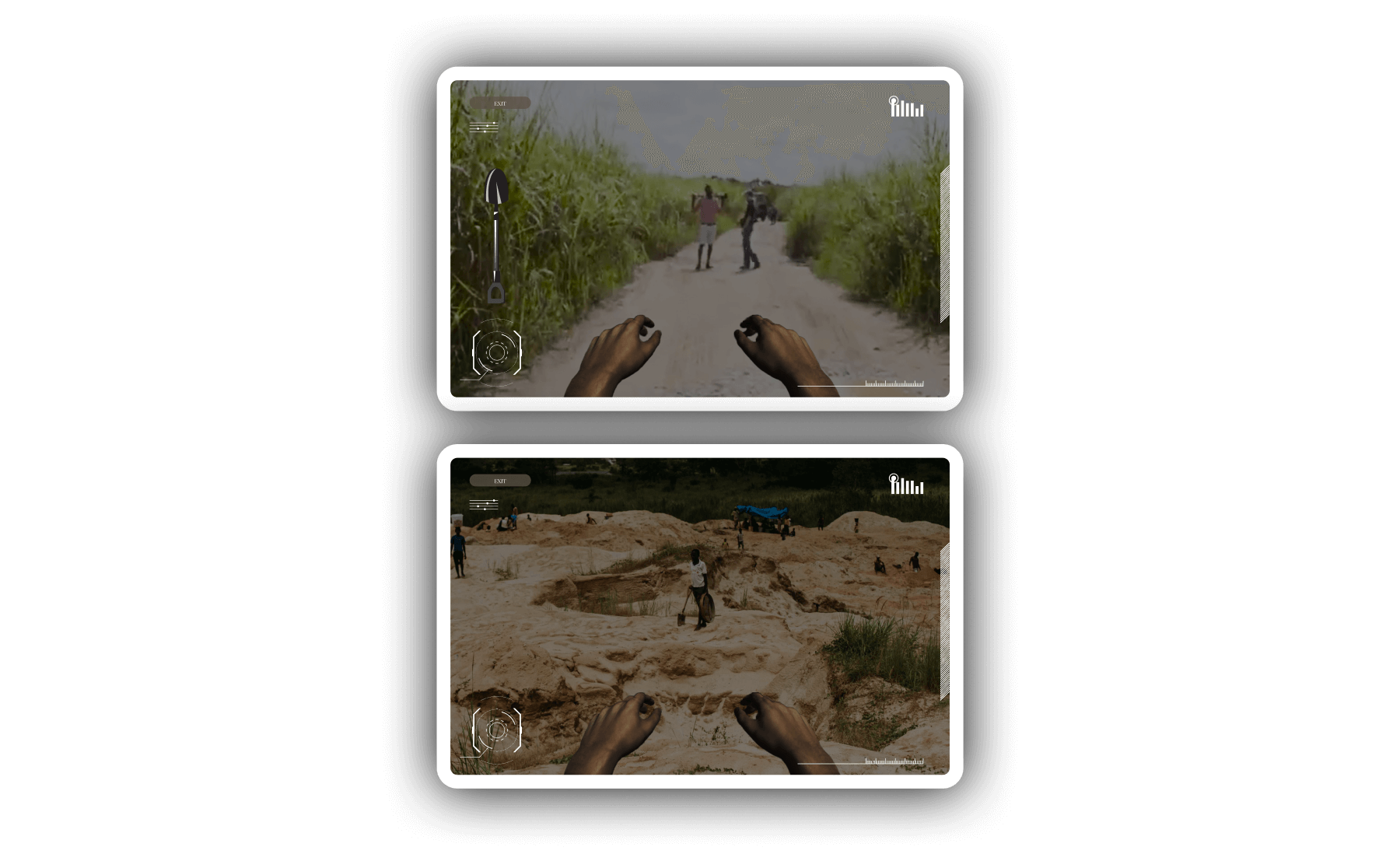
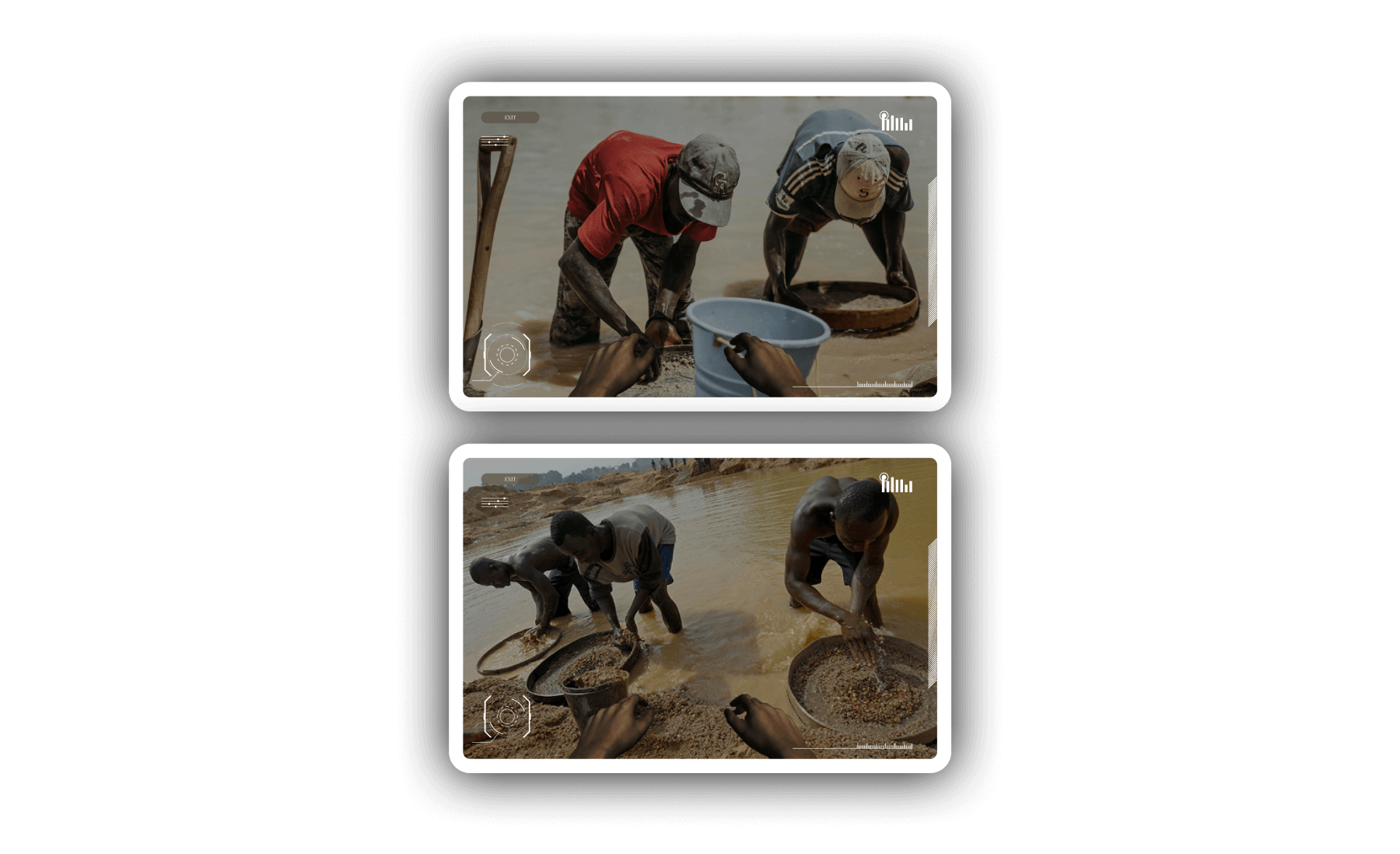
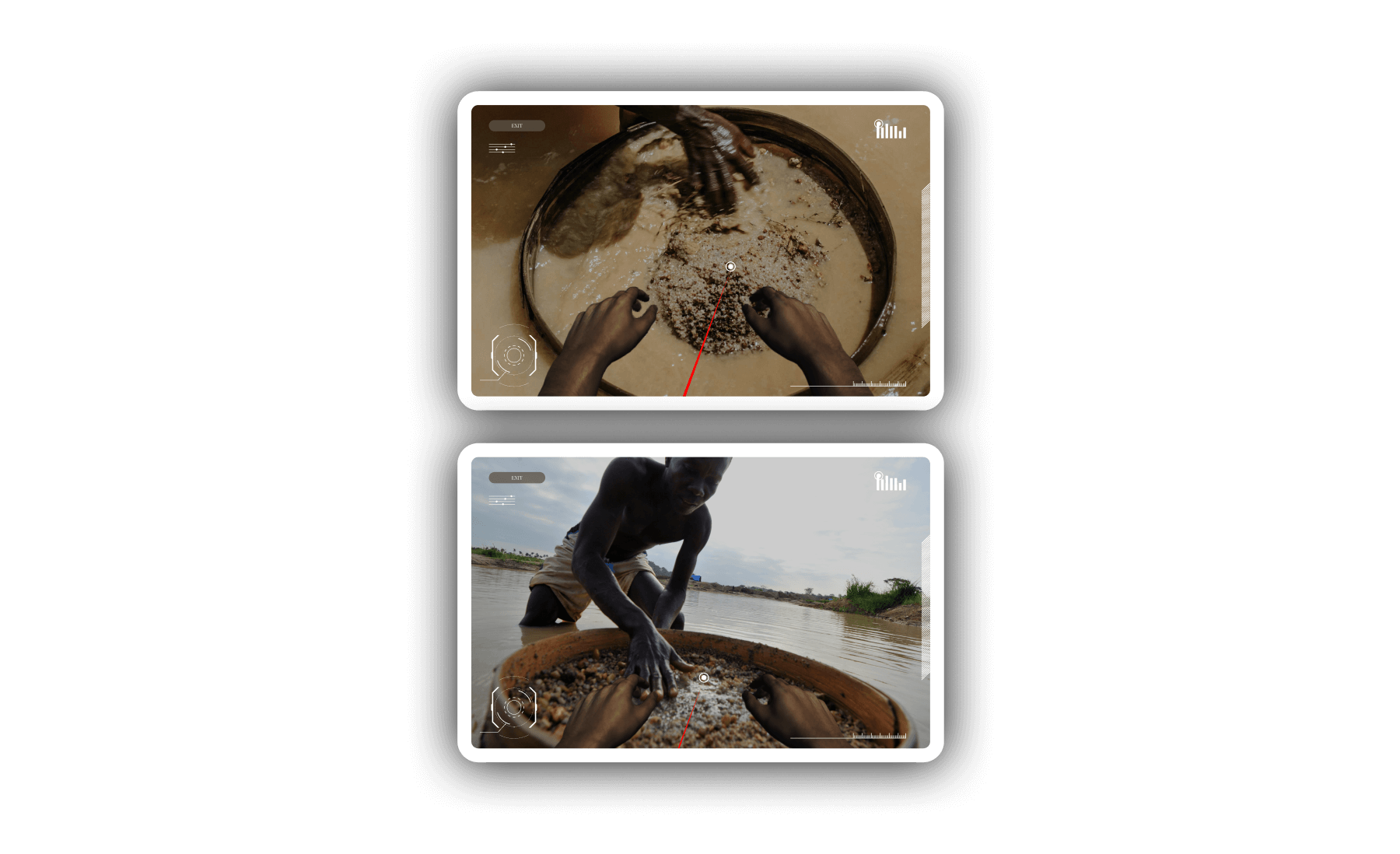
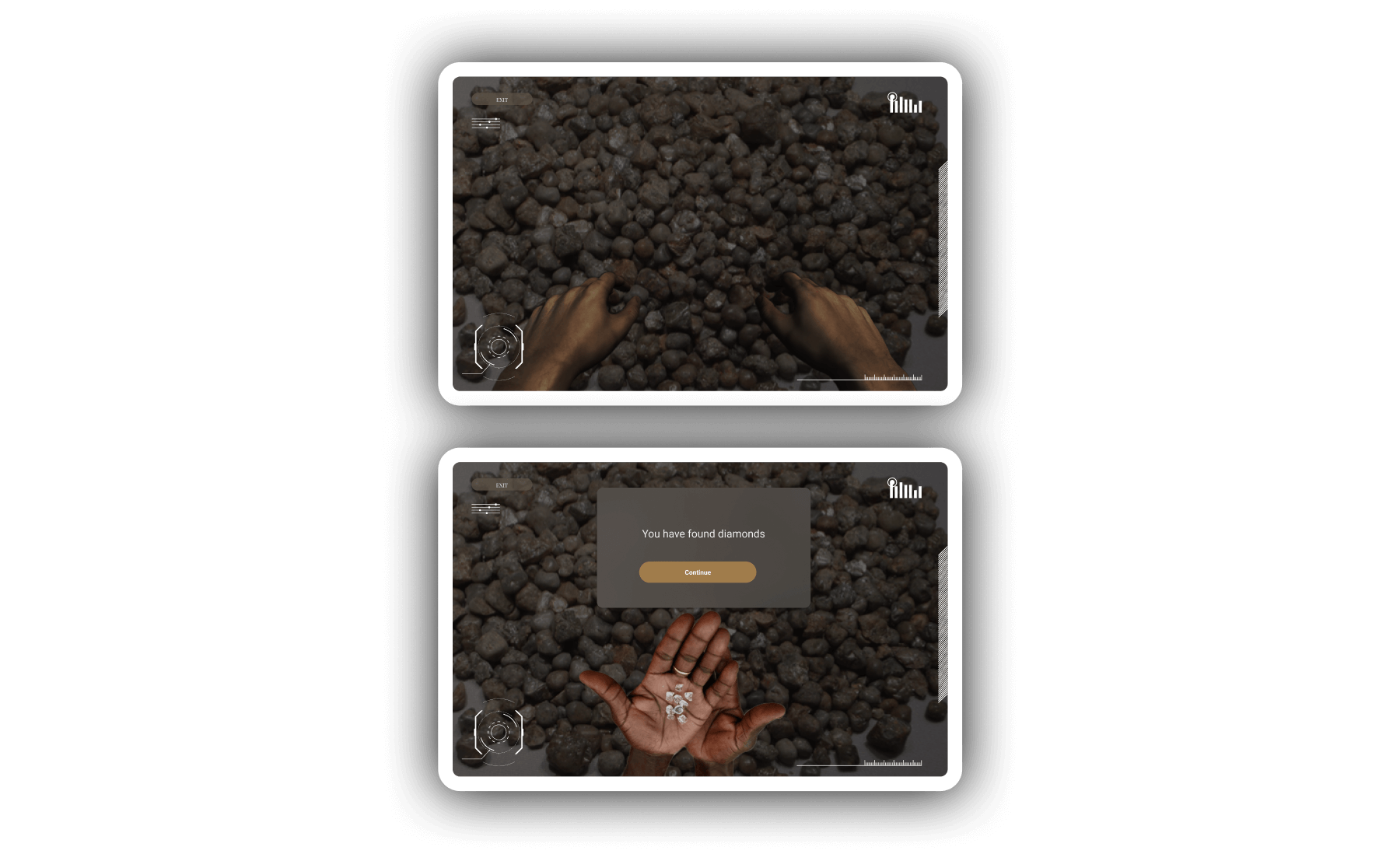
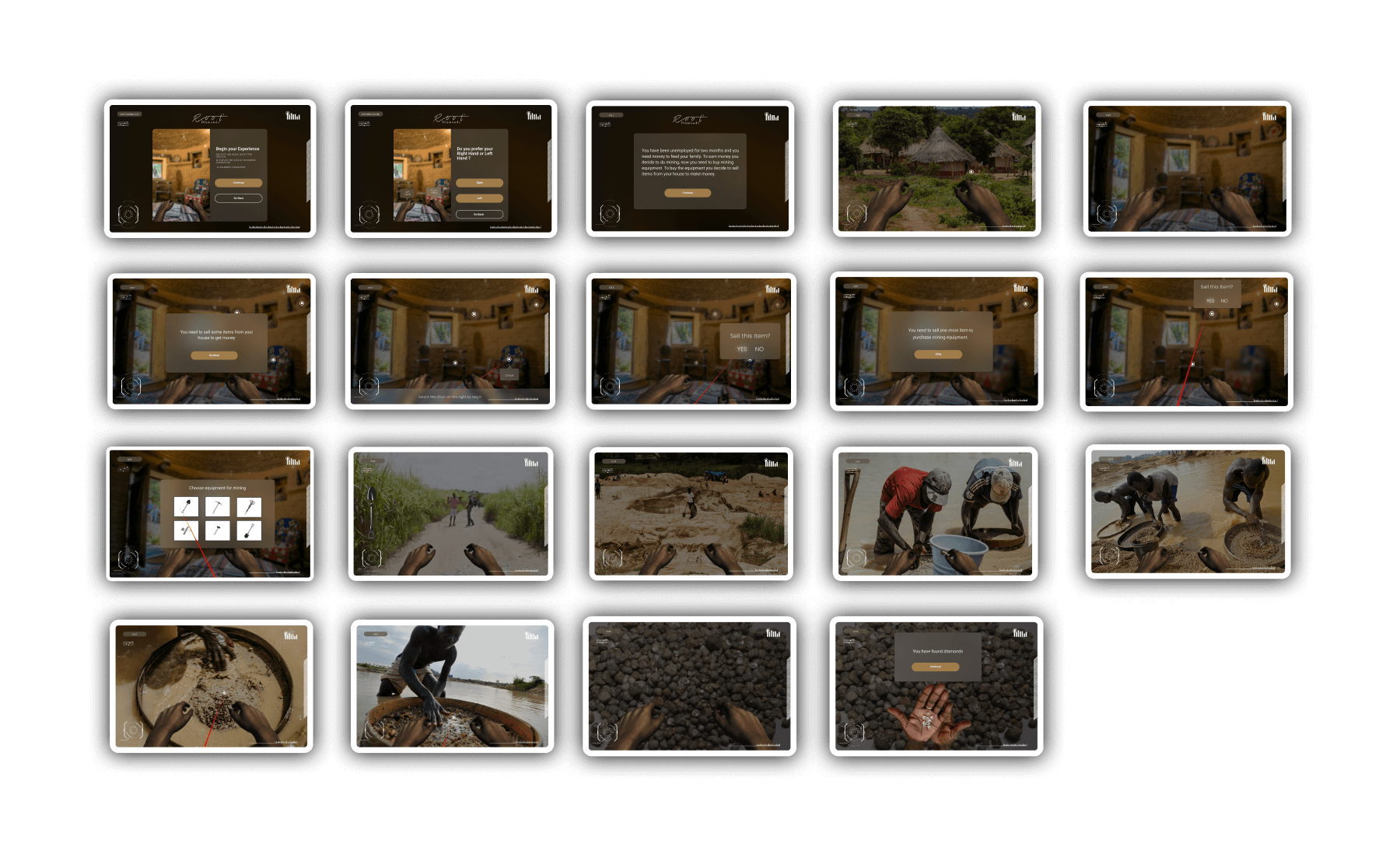
The “Life of a Miner” VR experience immerses users in the daily reality of a Sierra Leone diamond miner. Participants make crucial decisions, like selling possessions for tools and choosing digging locations, while experiencing haptic feedback that simulates tool weight and harsh conditions. Authentic sounds and accurate weights enhance realism. The journey also illustrates the complex process from diamond extraction to market, offering users a visceral understanding of the challenges miners face in sacrifice zones.
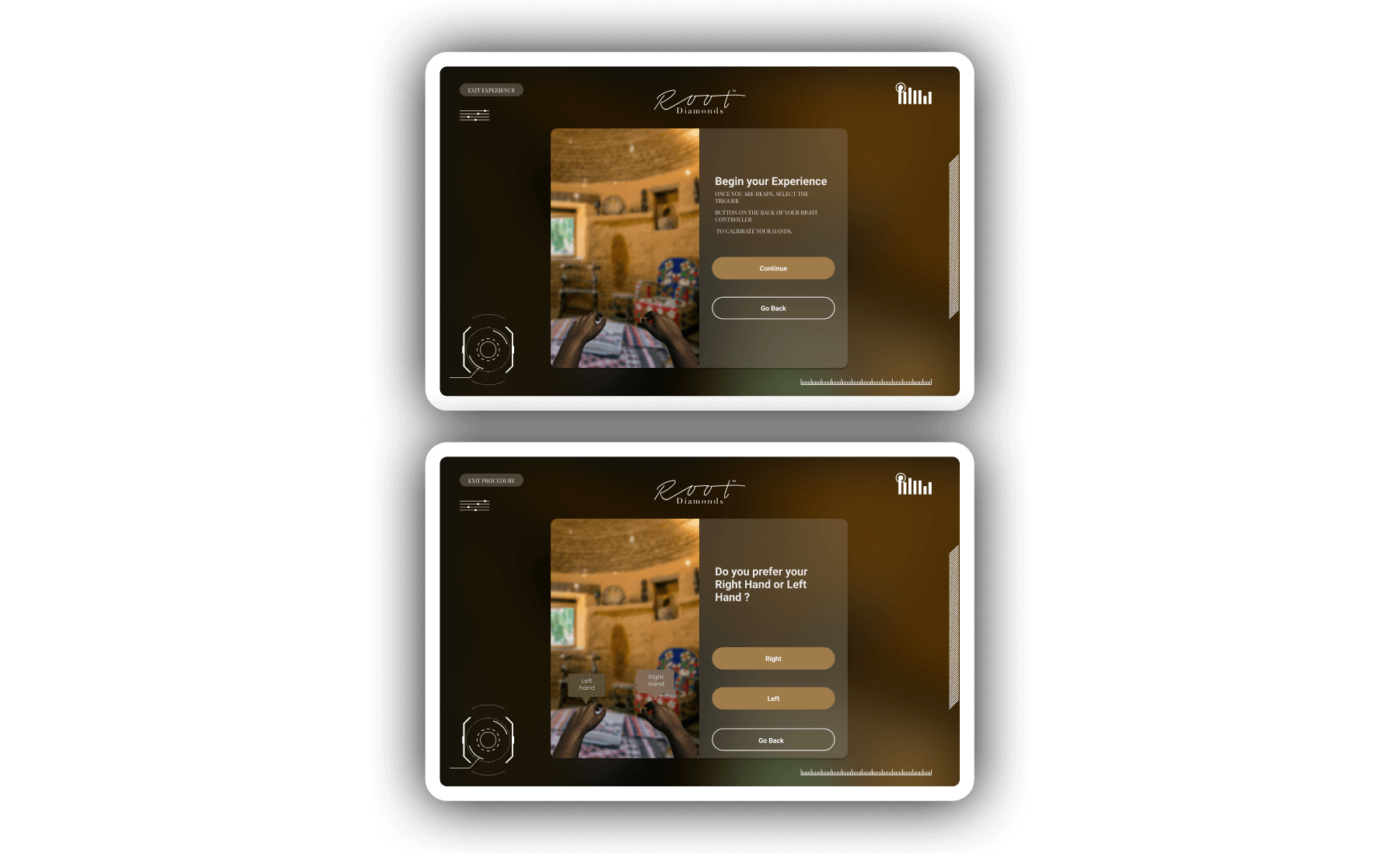
VR Journey
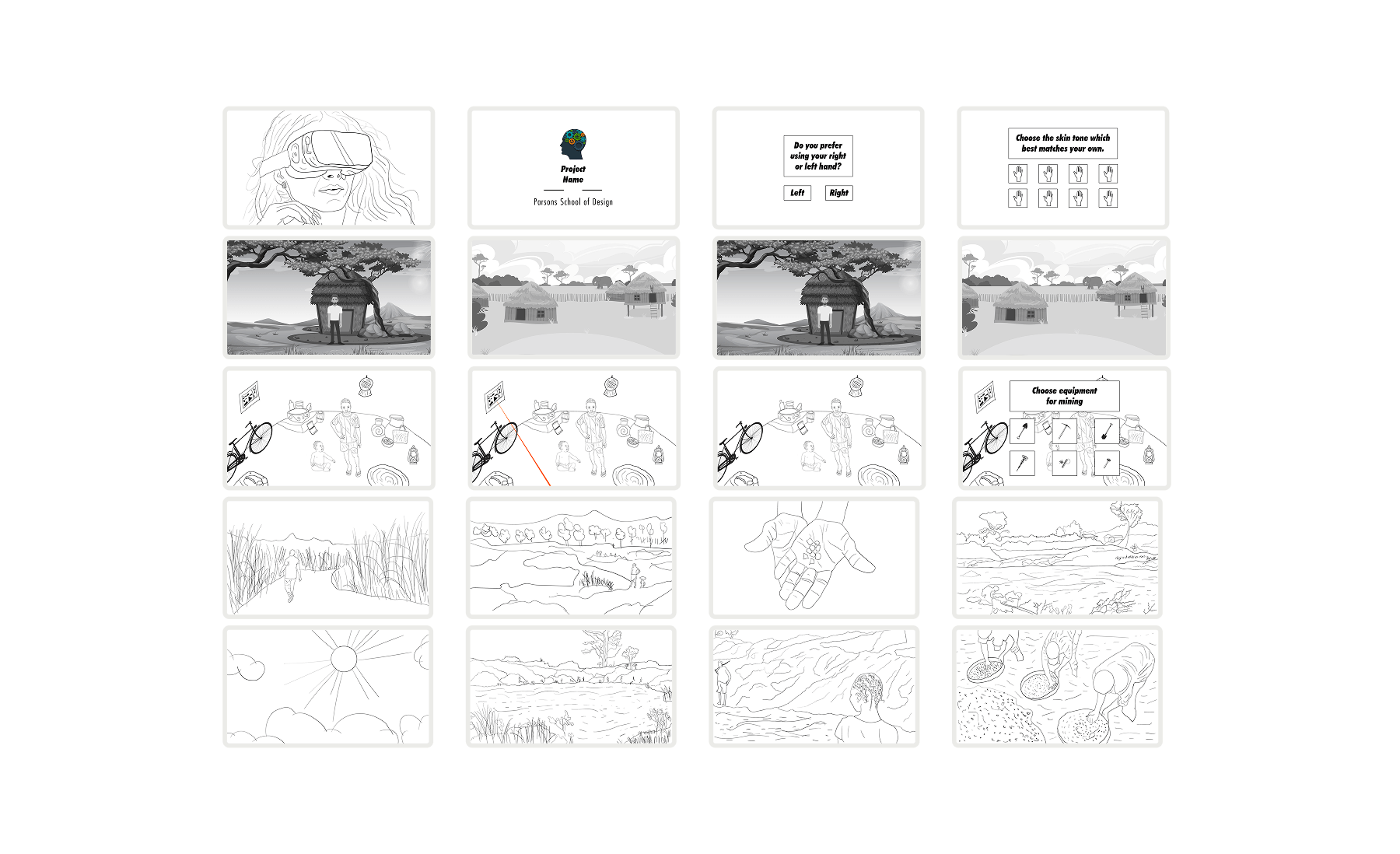
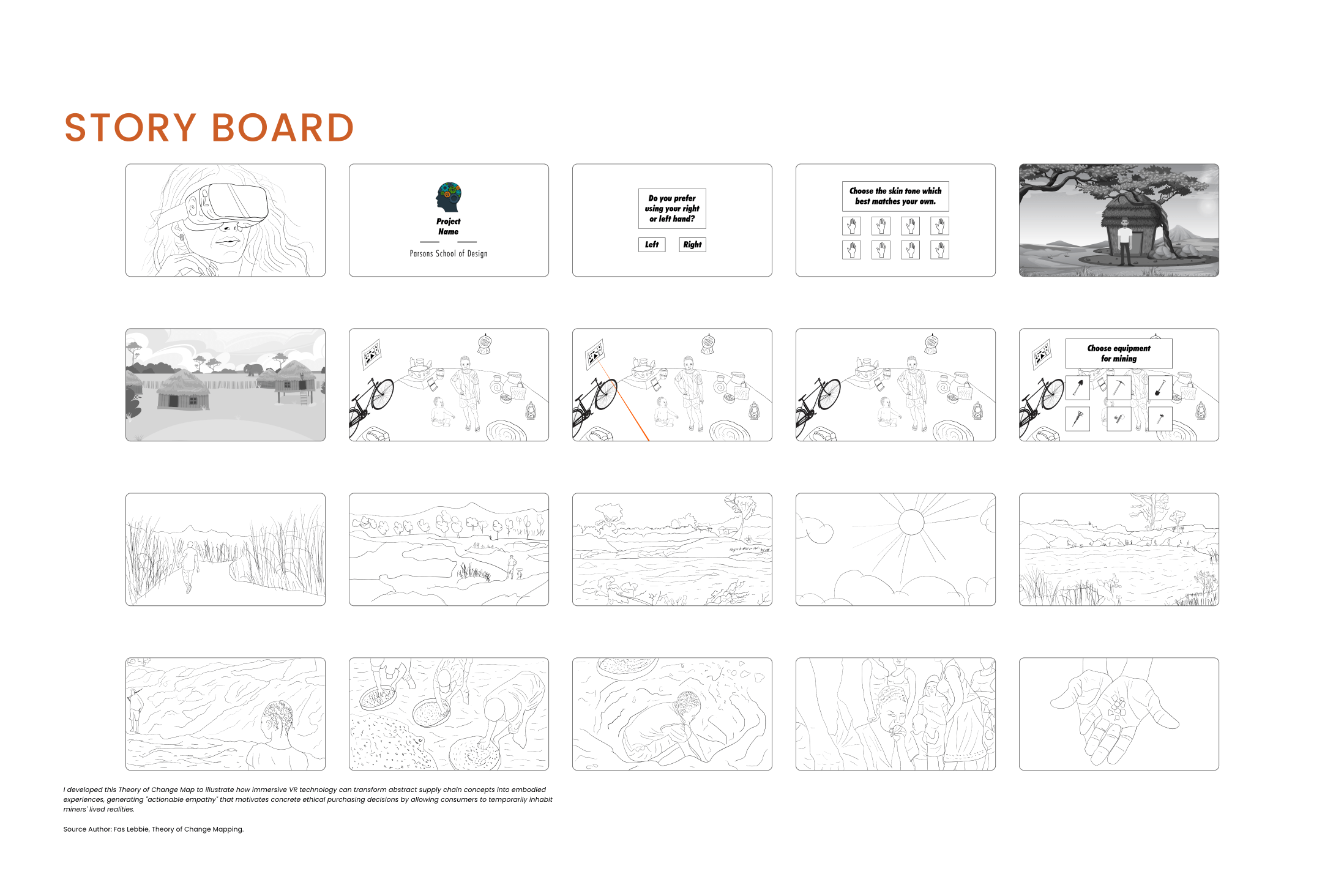
Storyboard visualizes Root VR’s immersive mining journey, users embody miners’ choices from onboarding to diamond discovery.
Increased Awareness
Pilot participants reported stronger ethical sourcing intentions
Experience Duration
10 minutes optimal length, balancing emotional impact with deployment
Stronger Emotional Response
Testers reported haptic feedback significantly enhanced immersion
Short & Long-term Impact
Life of a Miner’ showed how VR could connect consumers to artisanal mining communities through immersive experience. We tested with 12 participants in New York City, and 65-75% said they better understood mining conditions and wanted to think more about ethical sourcing when making purchases.
Ten minutes turned out to be the right length to create emotional impact while keeping it practical to deploy. We drew on VR empathy research and our six months of fieldwork in Sierra Leone’s Kono District to ground the experience in miners’ real daily lives, from ambient sounds to economic pressures.
Initial surveys showed the experience resonated emotionally, but we need more research to understand long-term behavioral change. VR empathy studies don’t yet have good data on whether these effects last beyond the initial experience. Our next phase includes 3-6 month follow-up studies to see if increased awareness leads to actual changes in purchasing habits and continued support for artisanal mining communities.
Next Steps
- Deploy VR at point-of-sale environments to allow consumers to experience miners’ realities before purchasing diamonds, increasing awareness and ethical consideration.
- Integrate immersive journey into retailer education programs so jewelry brands can use it as part of their transparency and ethical sourcing initiatives.
- Expand field research to other mining regions like the DRC and Botswana to broaden the experience’s scope and ensure representation across different mining contexts.
- Develop a mobile and AR companion experience to increase accessibility, reach wider audiences, and show product-specific supply chain transparency in real time.