

Overview
Vuforia Expert Capture is an easy-to-use SaaS AR solution designed to make frontline work more efficient. Vuforia Expert Capture enables companies to capture experts’ knowledge and leverage 3D CAD to easily create, deliver, and scale interactive work instructions and AI-enhanced inspections. Vuforia Expert Capture is a connected worker platform designed to bridge the gap between the physical and digital worlds through a cohesive three-part ecosystem. It begins with Capture, utilizing RealWear and HoloLens headsets to record raw footage directly in the field, and extends to View, the playback engine that delivers guidance to frontline workers. However, the core of my work centered on the Vuforia Editor (The Hub)—a secure SaaS web application that serves as the critical “middle layer” where messy reality is transformed into trusted business data. I helped design this web-based “refinement engine,” architecting the workflows that turn raw AR video into compliant, audit-ready operating procedures using AI transcription and rigorous governance.
Research & Design
Industrial workflow Design ·Research & Design Industrial Ethnography · SaaS System Architecture · AI & Automation Workflows · Enterprise Compliance Strategy · Information Architecture
- Duration: 2019–2021
- Partners: RealWear, Microsoft HoloLens
- Team: Fas Lebbie, Duffy Fallon, Kathy Saviola, James Lema
Confidentiality: The insights and designs shared in this case study are the property of PTC. Specific details have been modified to protect sensitive information.

My Role
I operated as a hybrid design researcher and lead product designer, bridging the gap between the factory floor and the back office. I conducted ethnographic research to understand why workers avoided documentation. I mapped the "invisible work" of compliance chains and shift handoffs, identifying that the friction wasn't in capturing the video, but in the tedious labor of transcribing it into a compliant document.
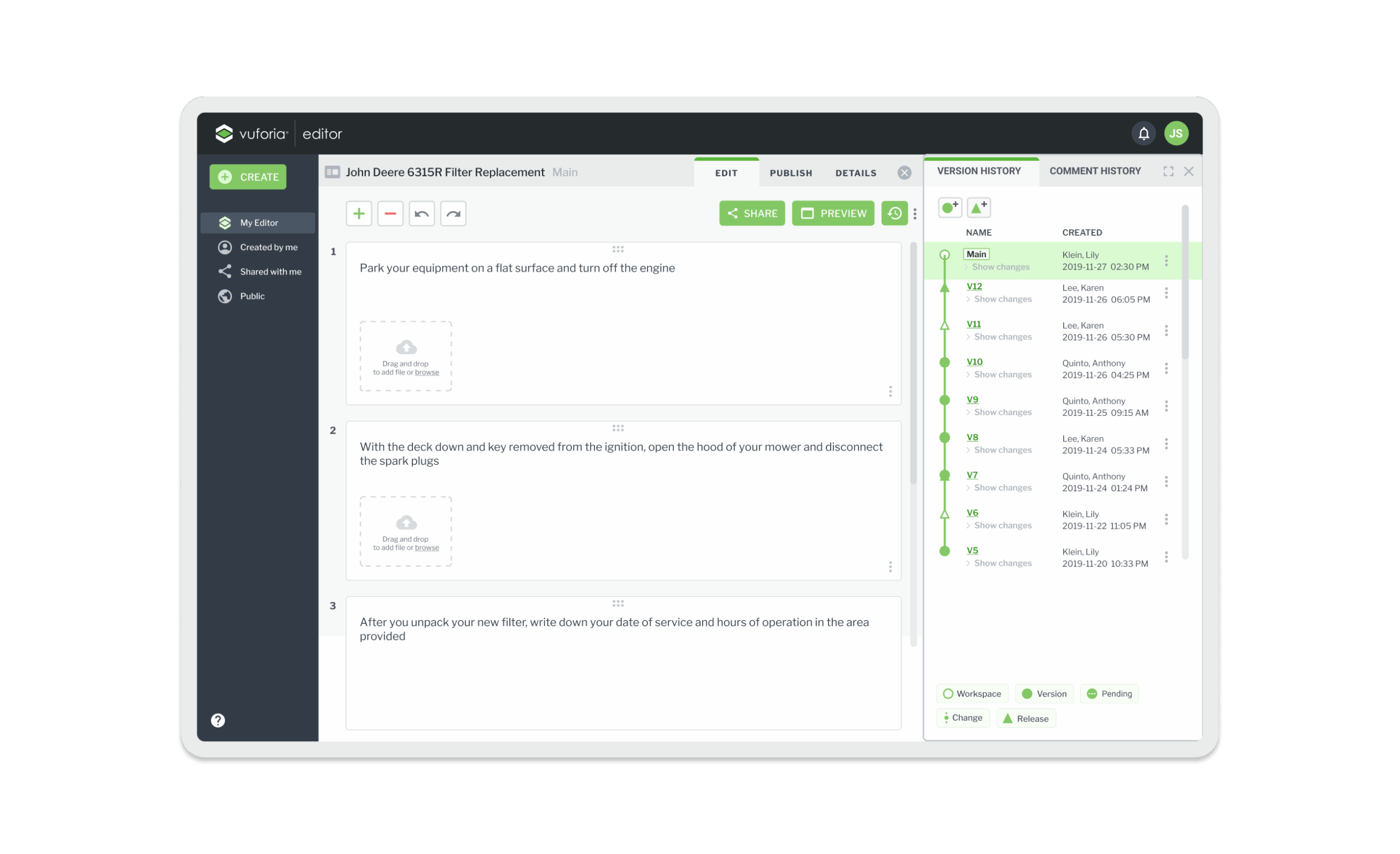
I architected the Information Architecture and interaction patterns for the Vuforia Editor. My work improved the product from a simple video player to a complex non-linear editing suite. This involved designing AI-driven text-harvesting workflows and the logic for automated visual inspections, and guiding experts to define complex quality checks via the desktop interface.
Problem Context
The Vuforia Expert Capture product was built to solve a critical industrial knowledge gap, but the existing process was failing at the ‘last mile.’ We found that Subject Matter Experts were losing 7 hours per week answering repetitive questions, yet the tools to document their knowledge were creating a ‘Post-Capture Hangover. While AR headsets successfully captured the “what” of industrial work, they failed to capture the structure required for enterprise training. In our field research across 10 facilities, we observed a critical “Post-Capture Hangover”: the moment an expert sat down at a computer, the workflow broke. Raw capture sessions resulted in long, unstructured videos that were impossible to search or consume without a way to slice them into discrete steps. Furthermore, the burden of manually transcribing voiceovers into written instructions caused massive documentation abandonment; experts loved showing their work but hated typing it up. Finally, regulated industries faced a compliance void. Without a rigorous audit trail or versioning lifecycle, safety officers viewed the fluid content as a liability risk rather than a secure system of record. We realized the business didn’t just need a video player; it needed a “Knowledge Studio” to transform the chaos of raw footage into compliant business assets.
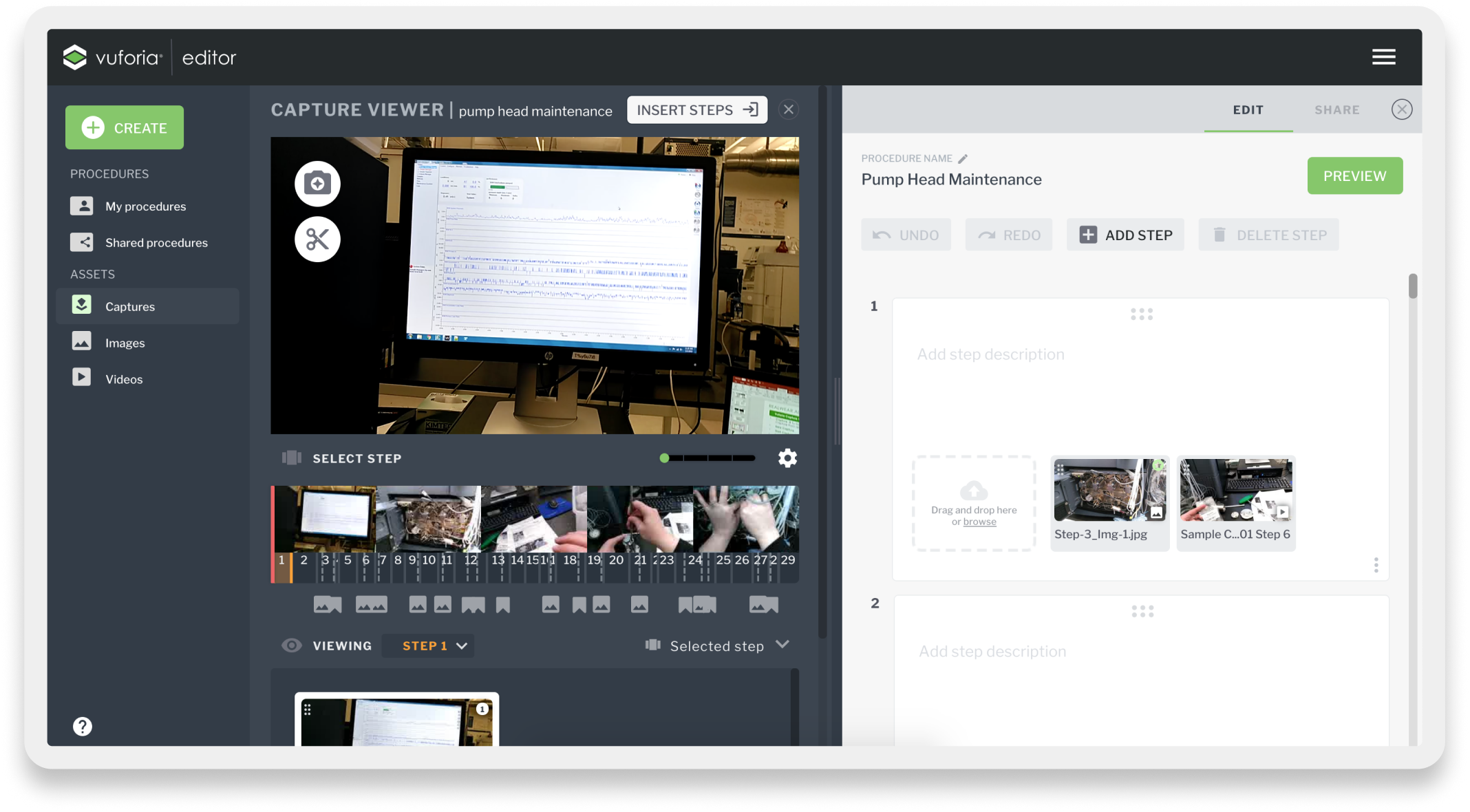
Vuforia Editor Demo
Demonstrates the design workflow from raw AR captures into structured, compliant procedures.
Featured Designs
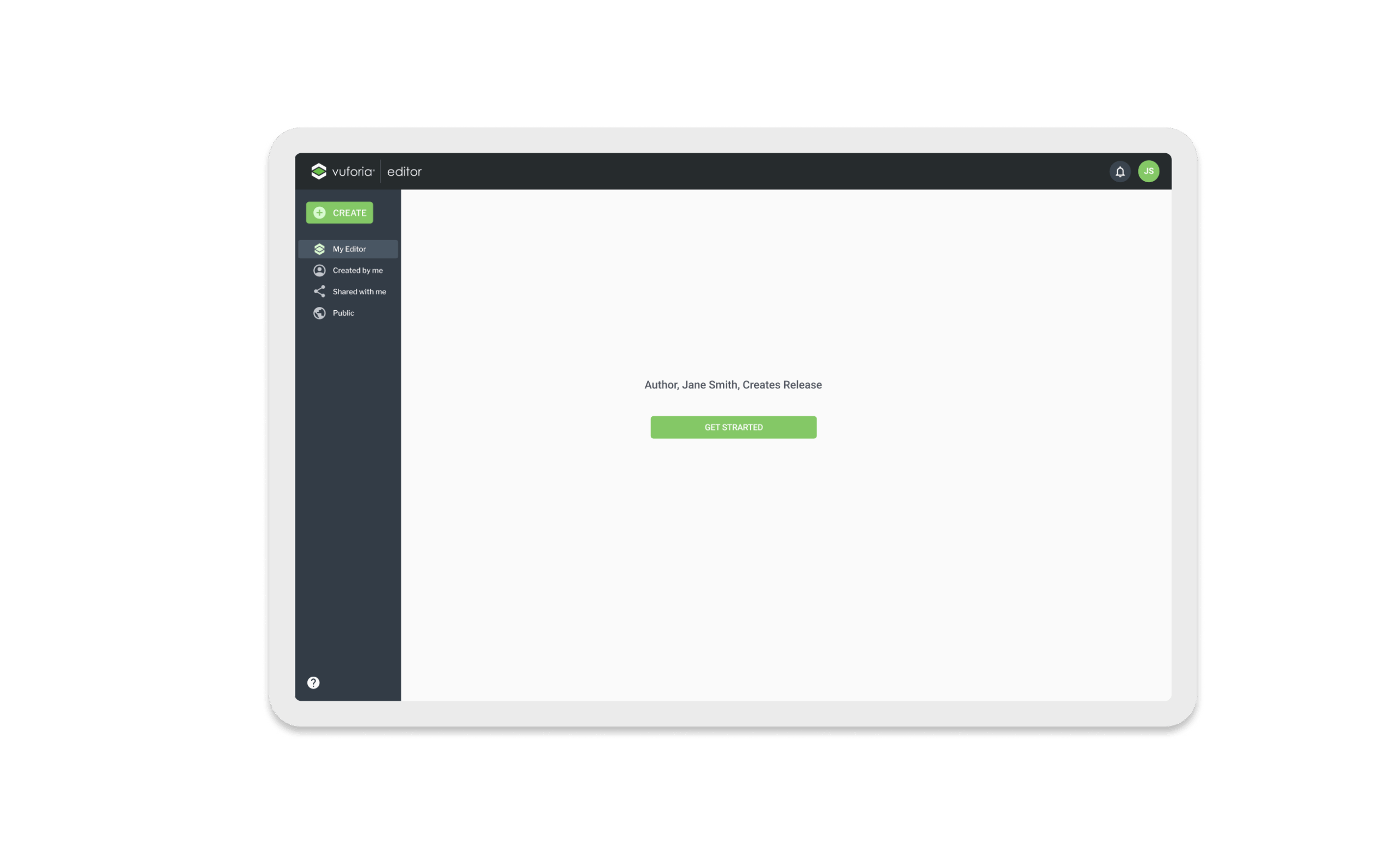
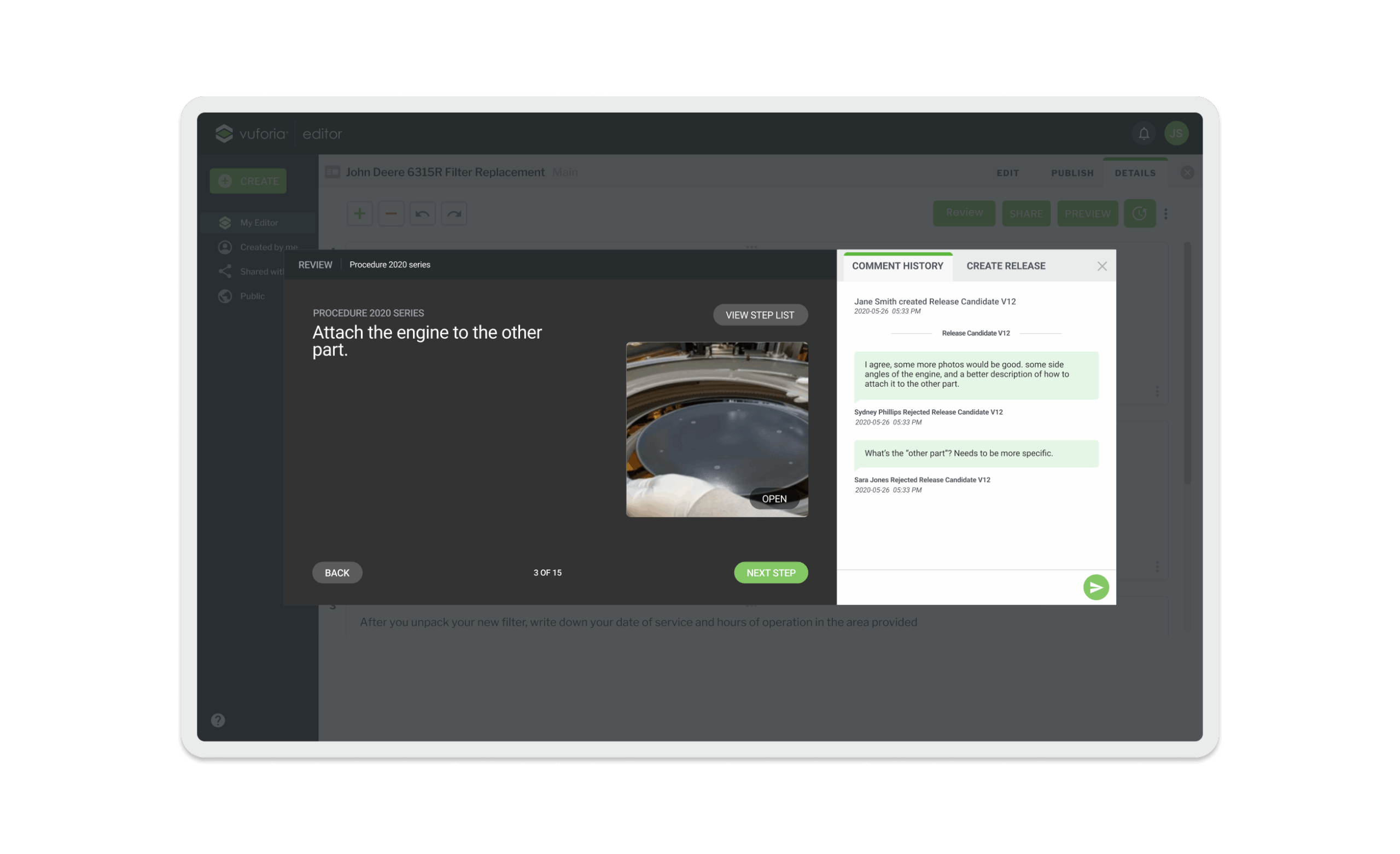
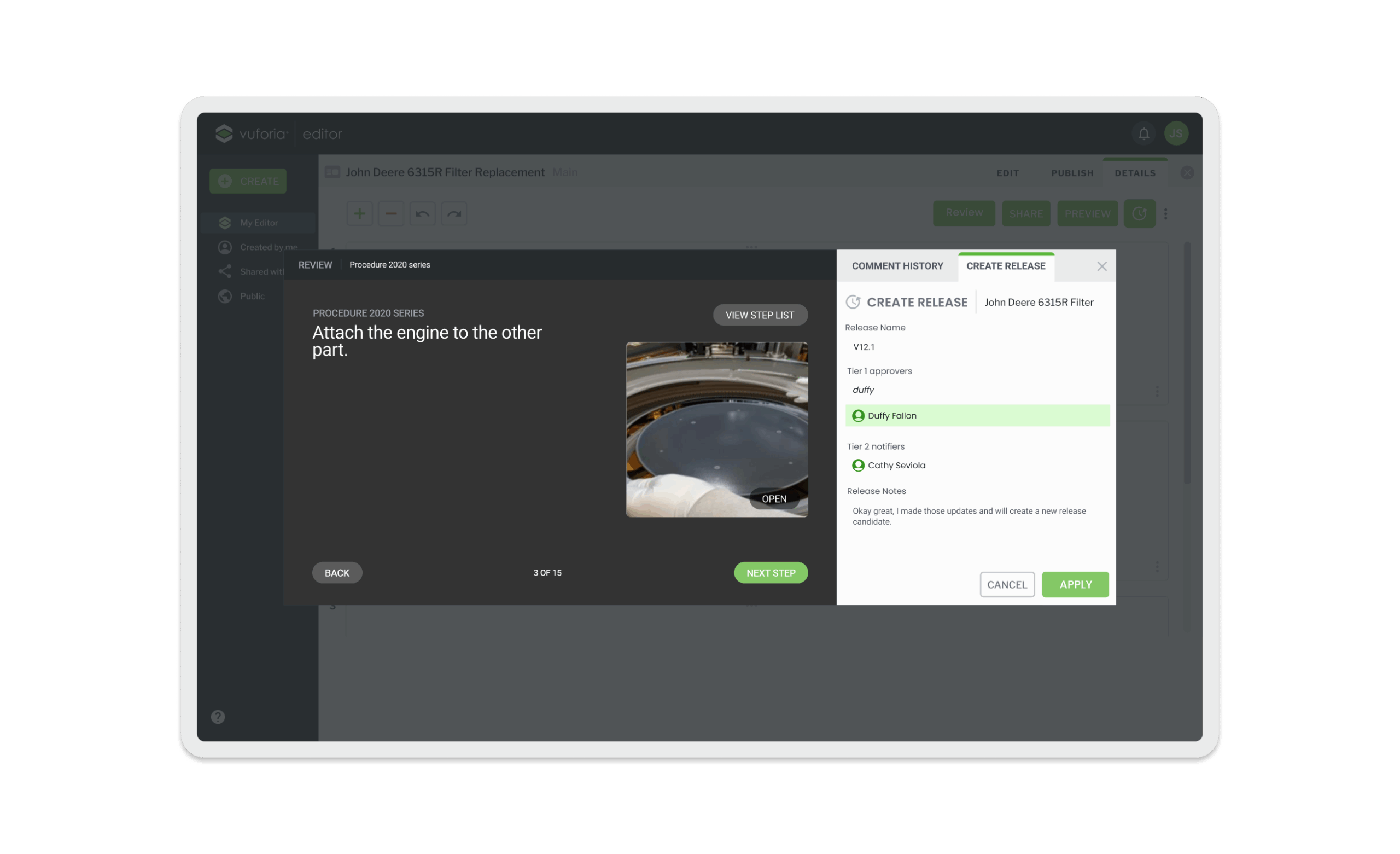
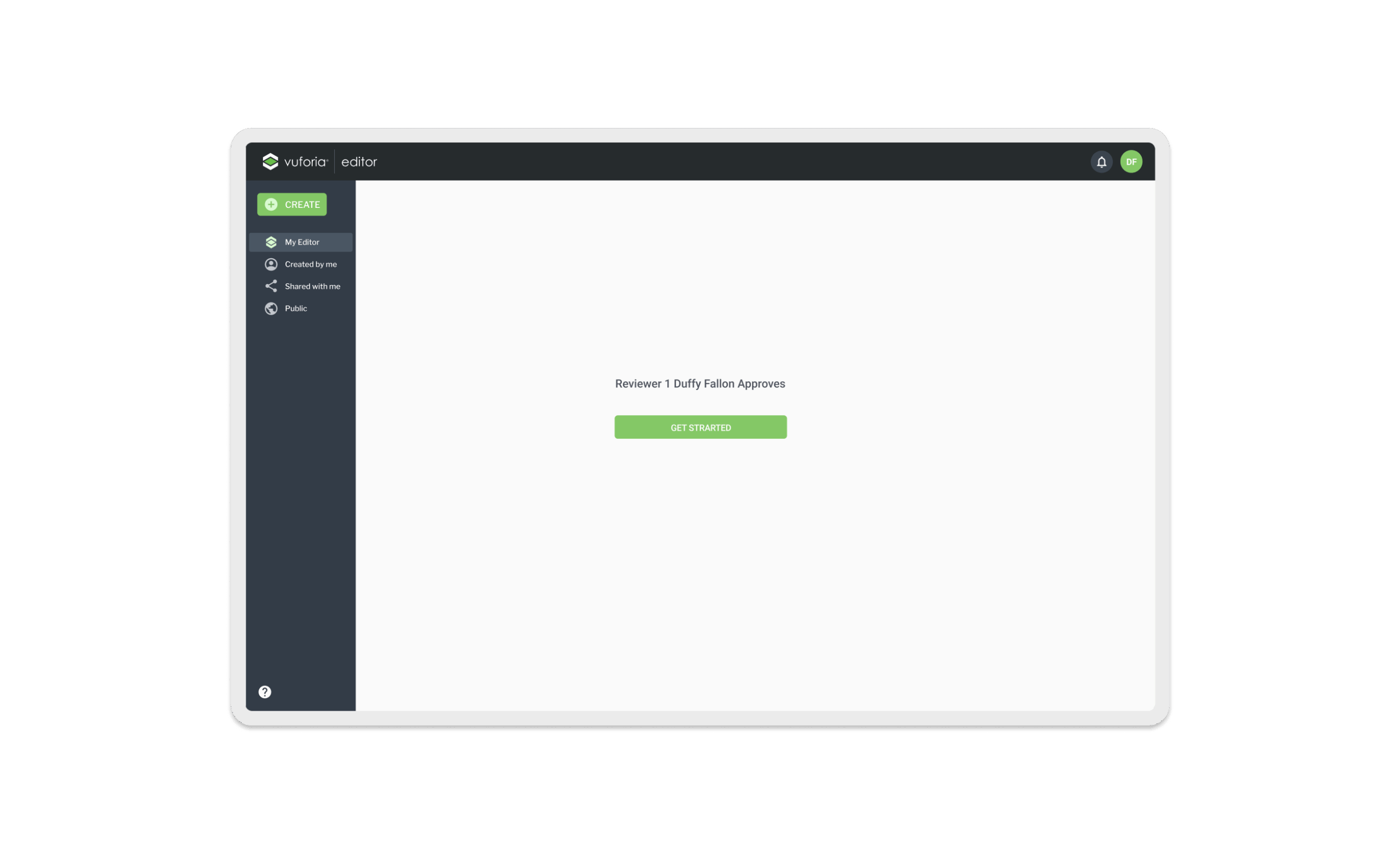
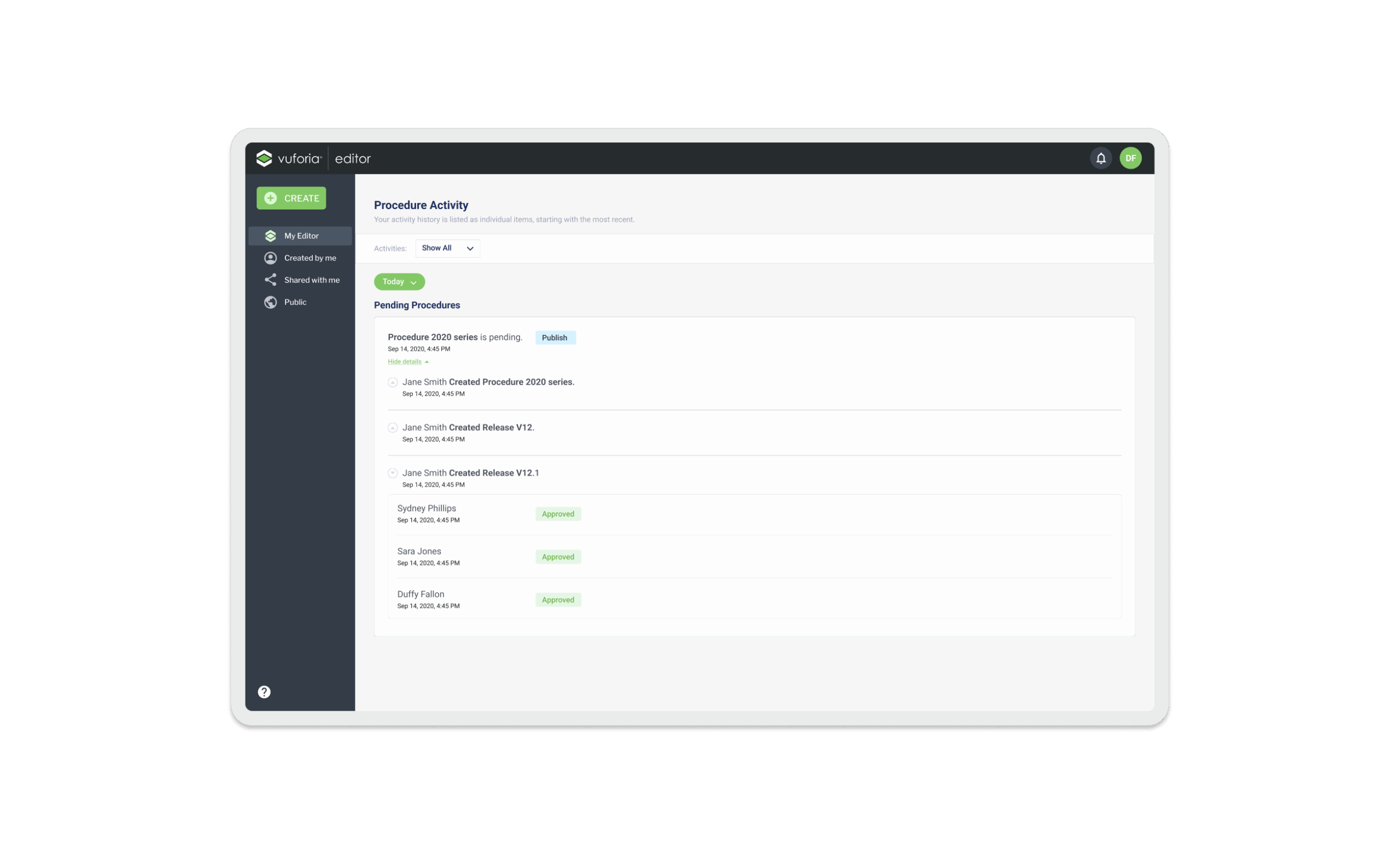
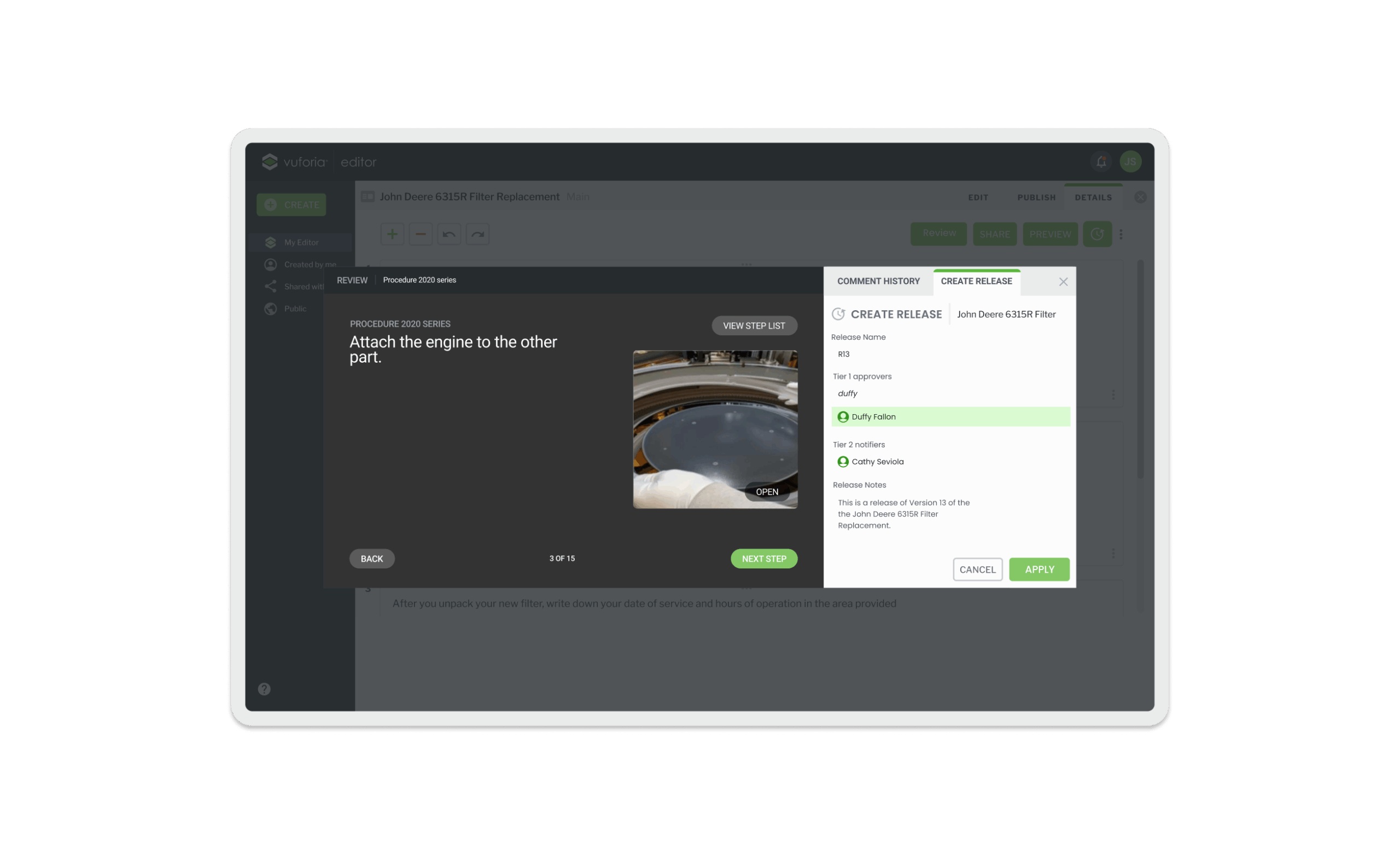
In this case study, I outlined 3 feature solutions delivered within the Vuforia Editor, including a Timeline Interface for capture flow to structure raw video and an AI-driven “harvesting” workflow that instantly converts voiceovers into text, eliminating manual entry. Additionally, I implemented a rigorous “release candidate” governance lifecycle to ensure audit compliance through versioning and approval workflows. This turned raw, messy data into the trusted, compliant assets required by regulated enterprises.
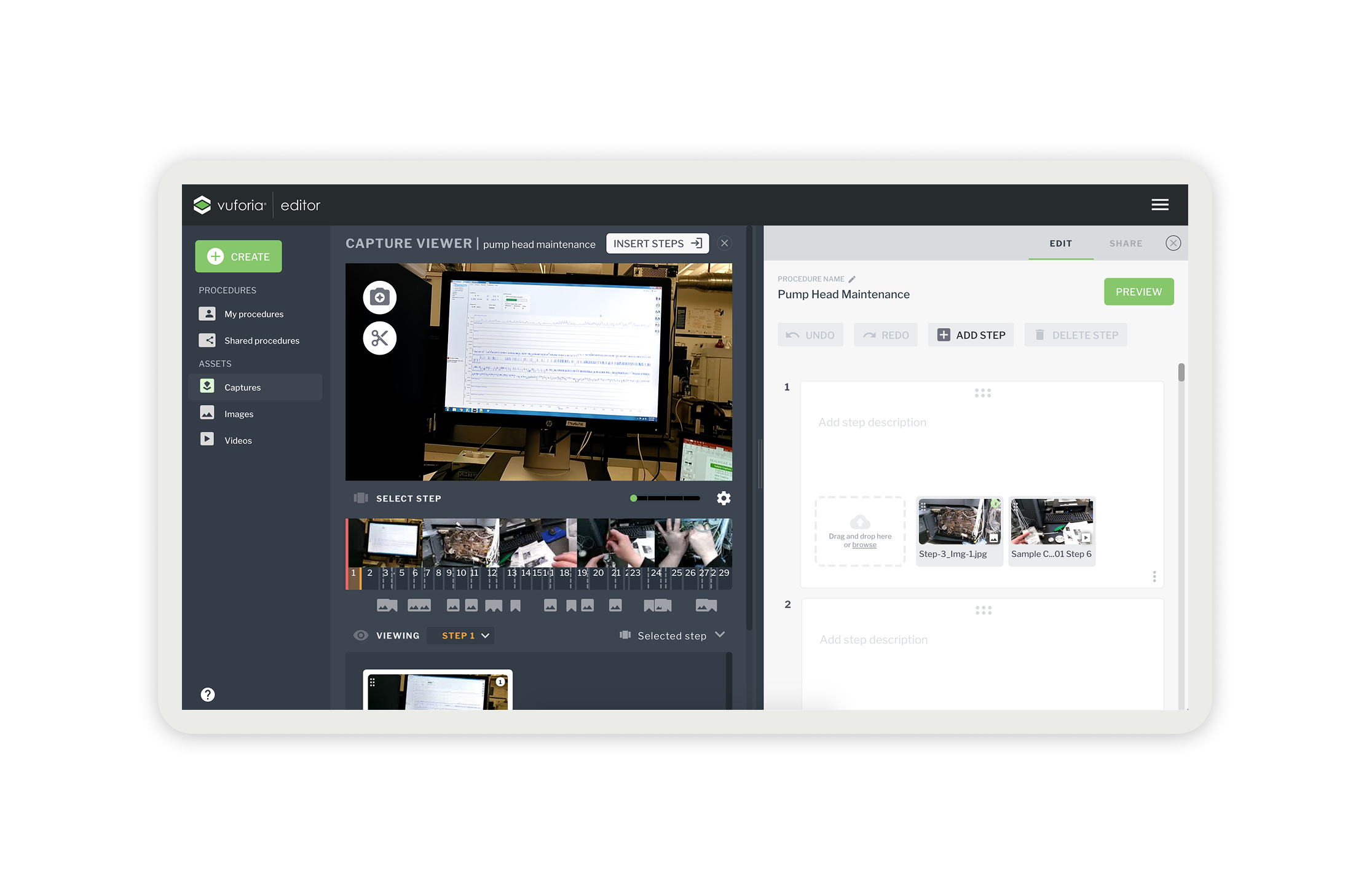
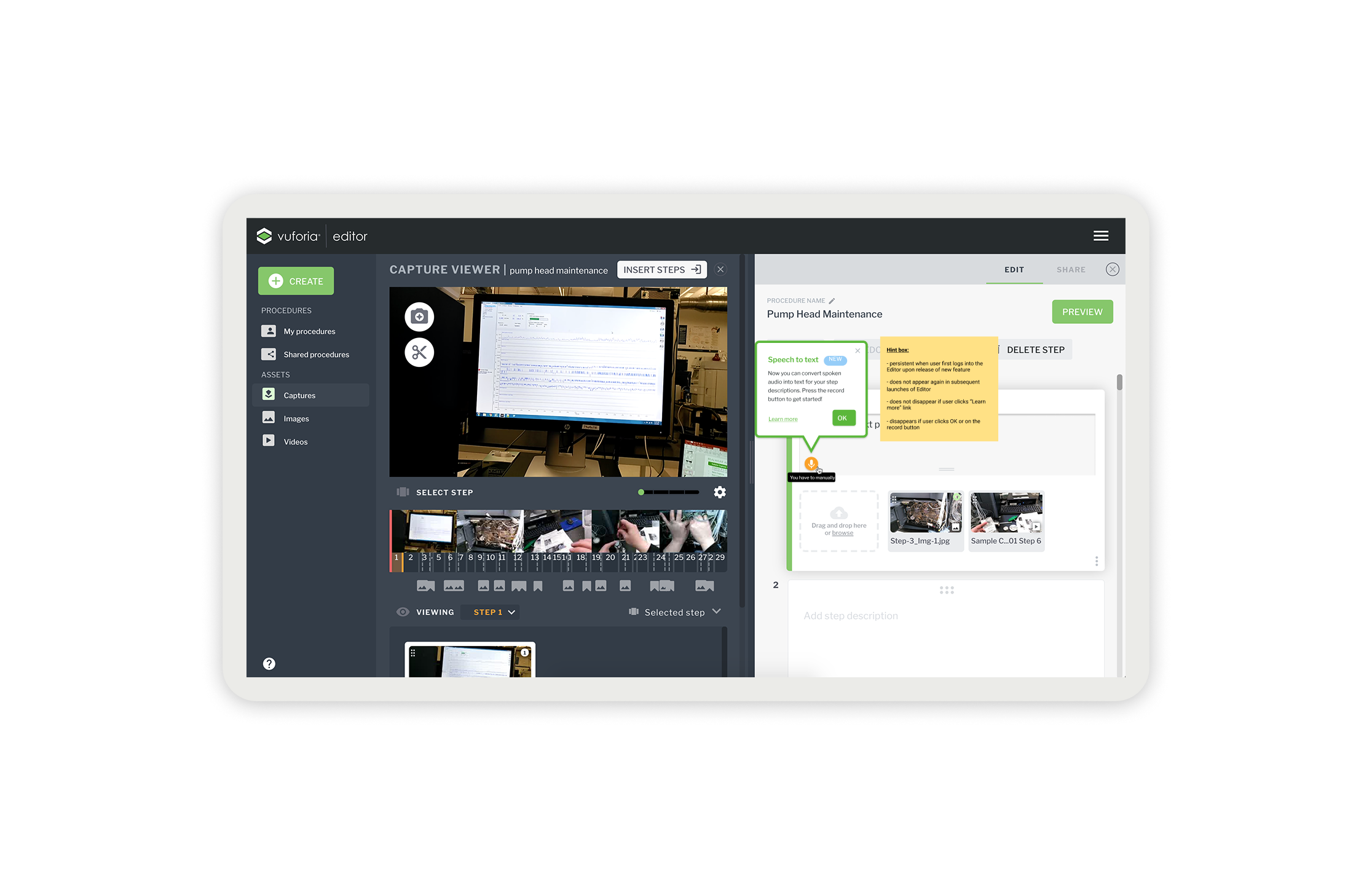
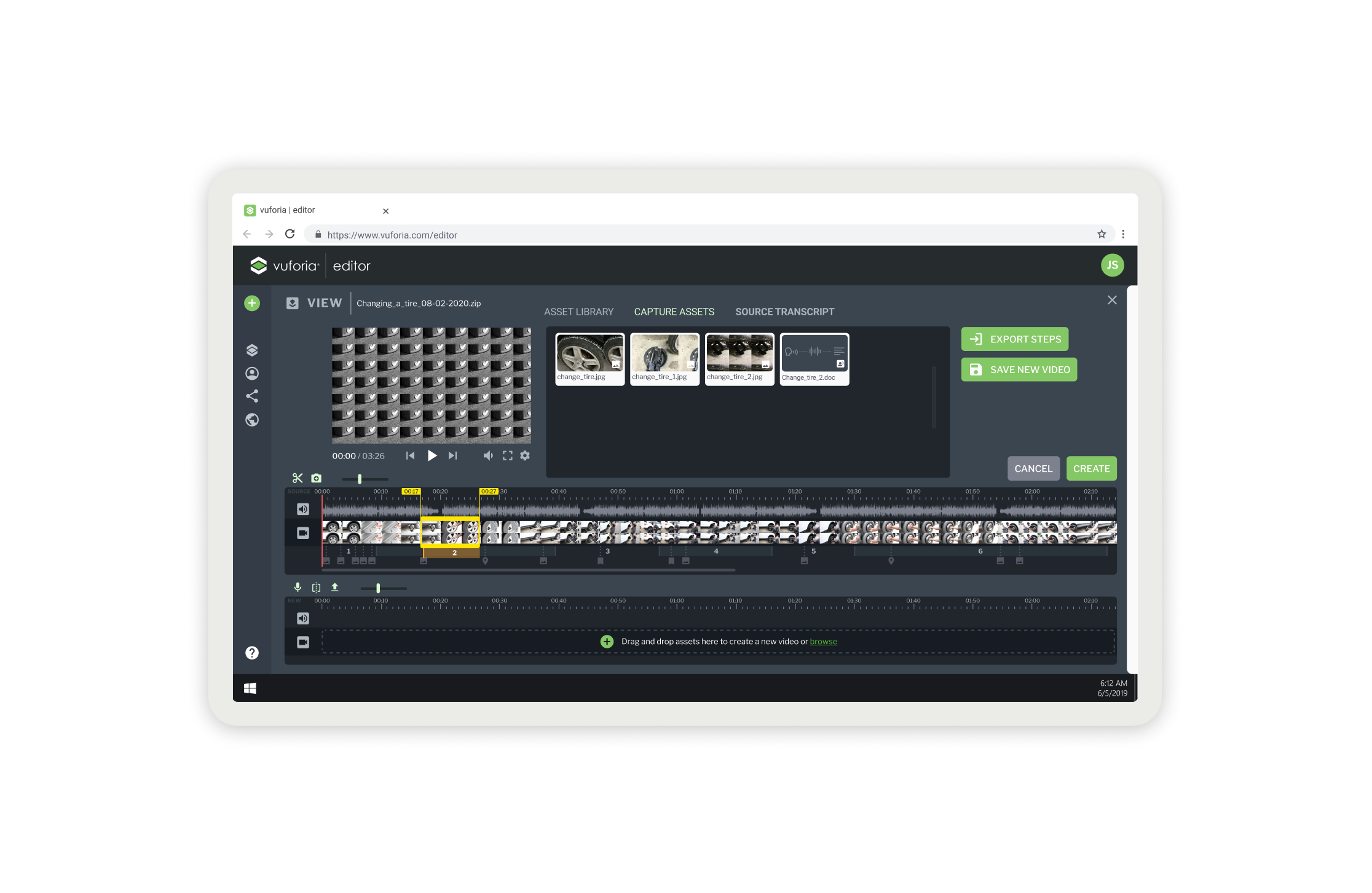
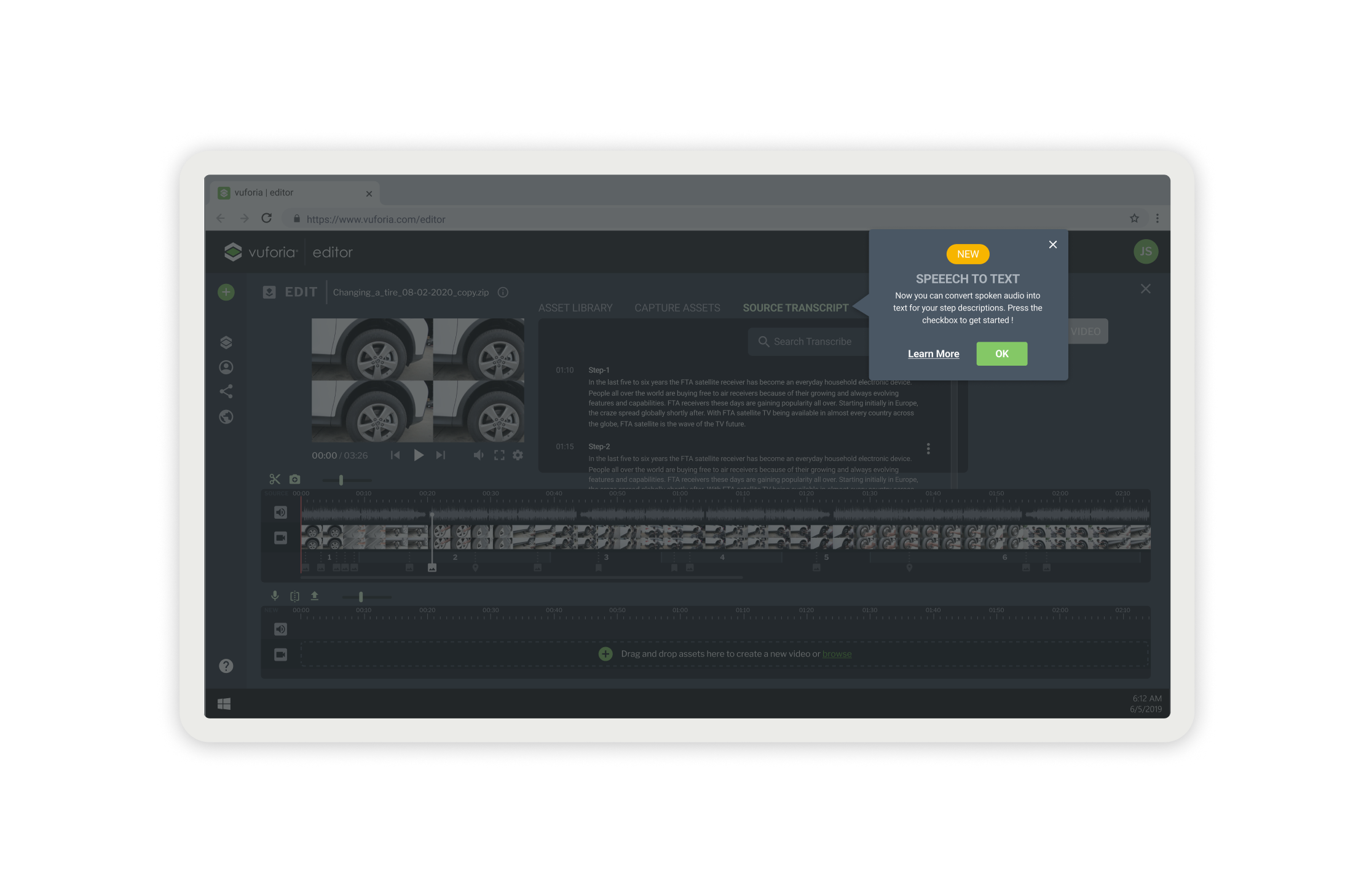
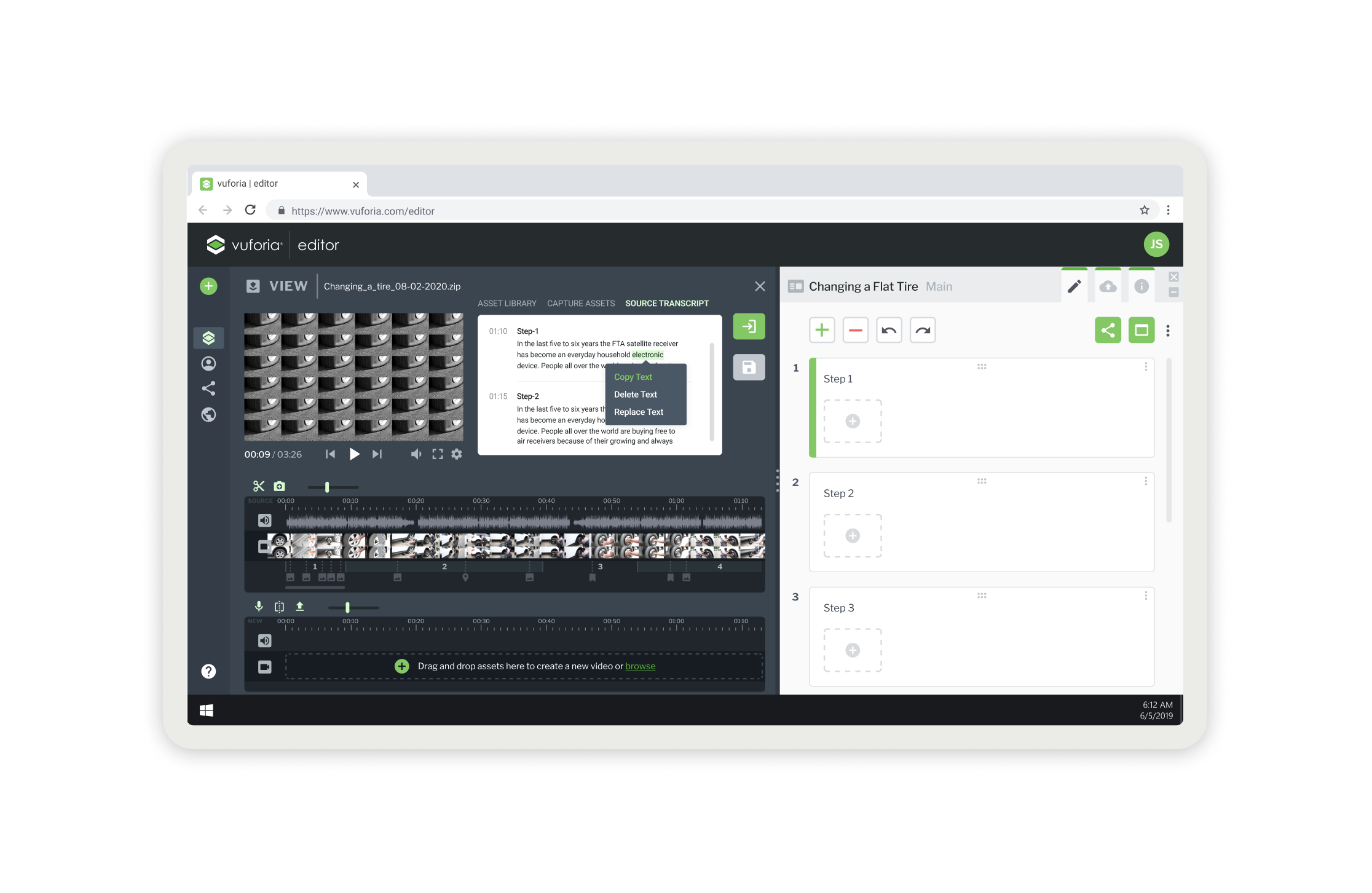
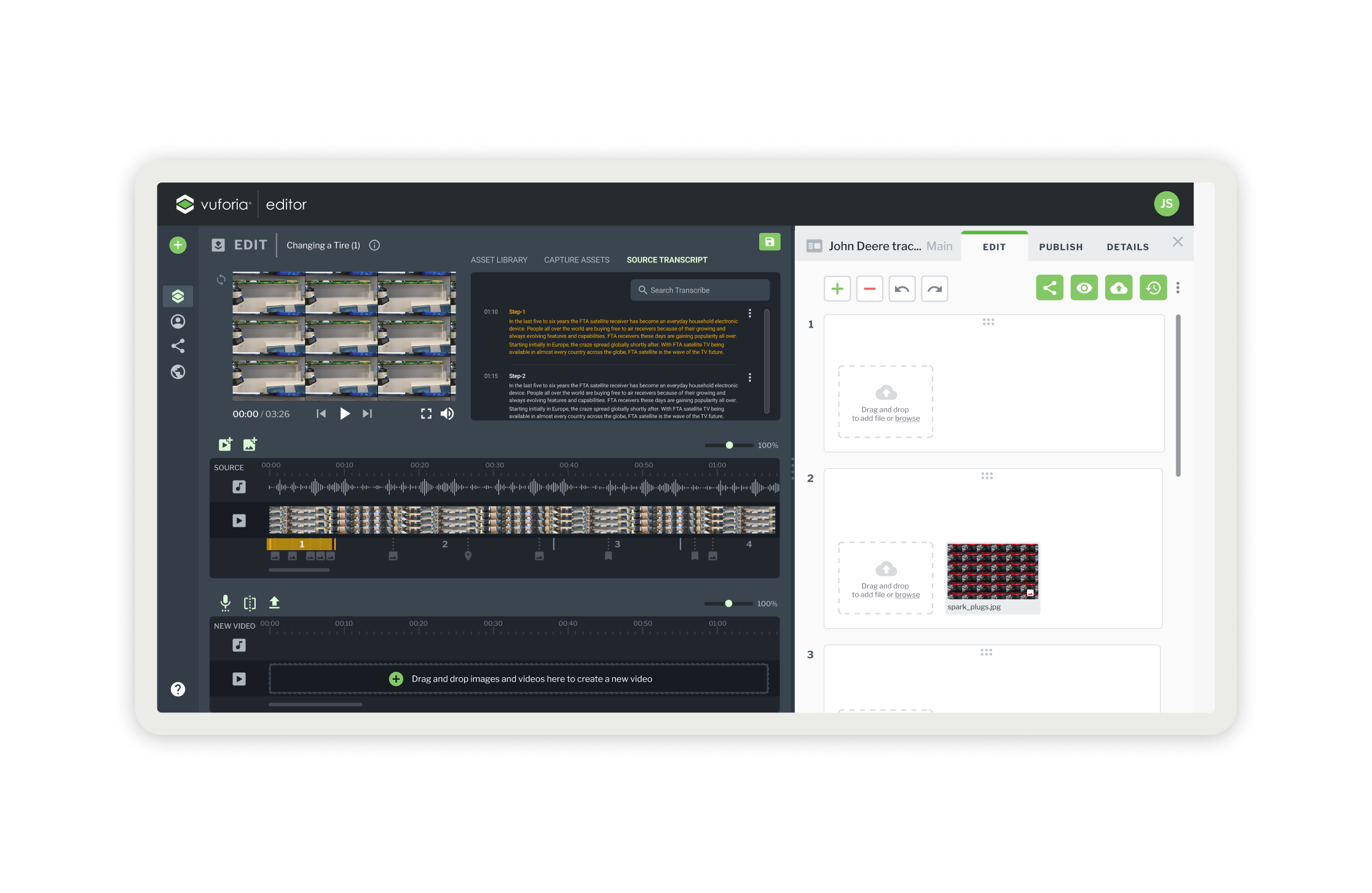
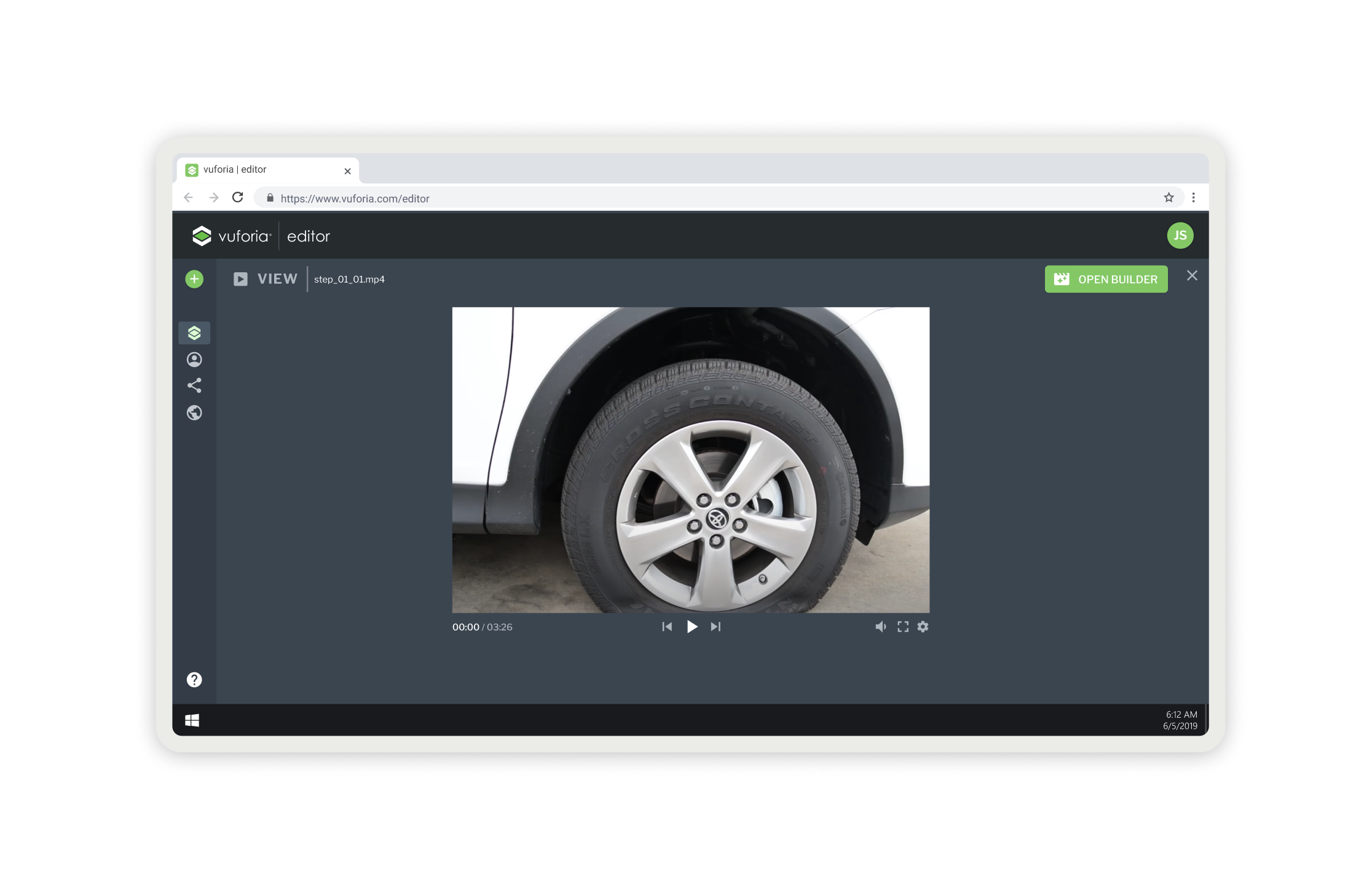
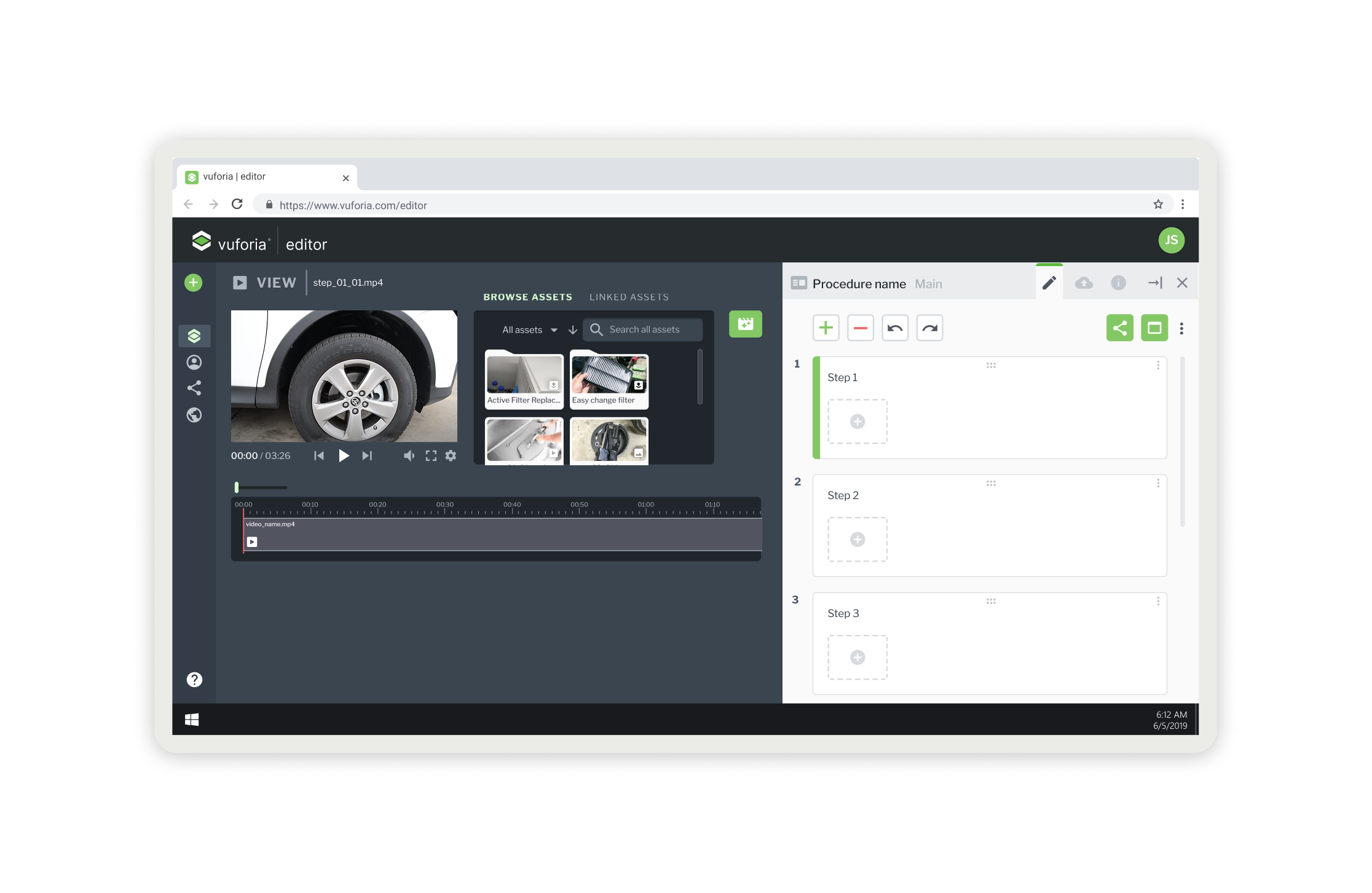
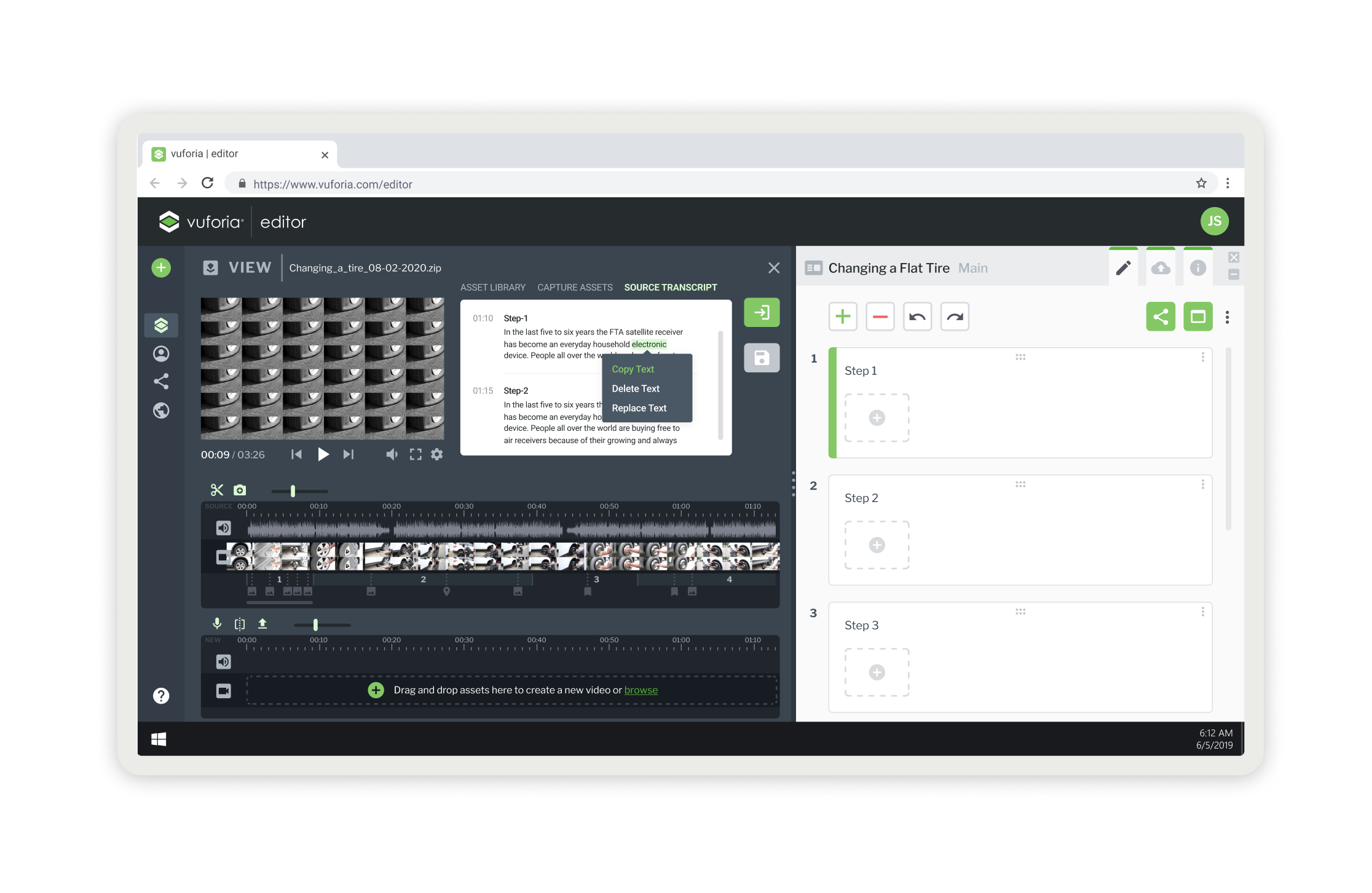
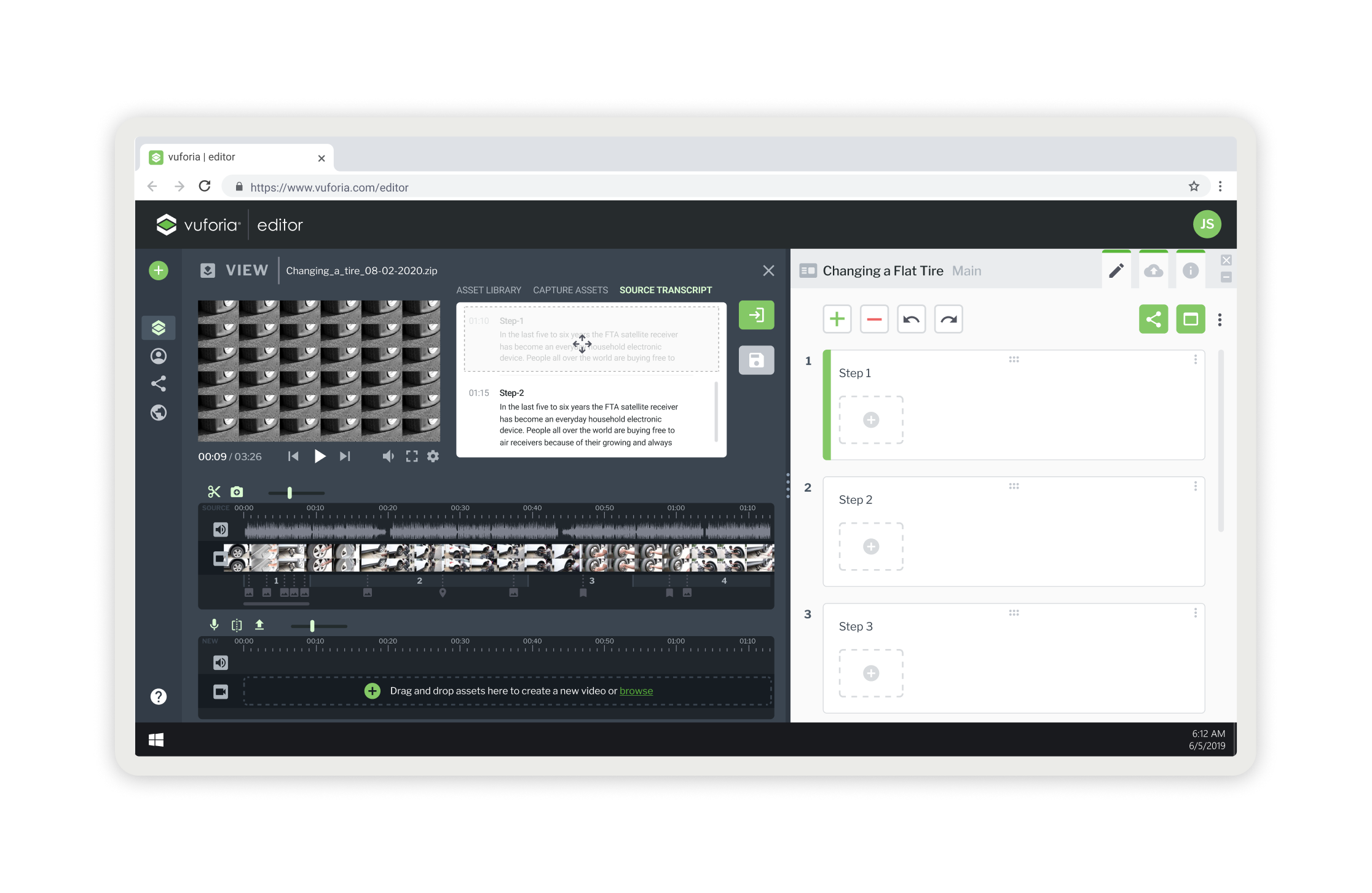
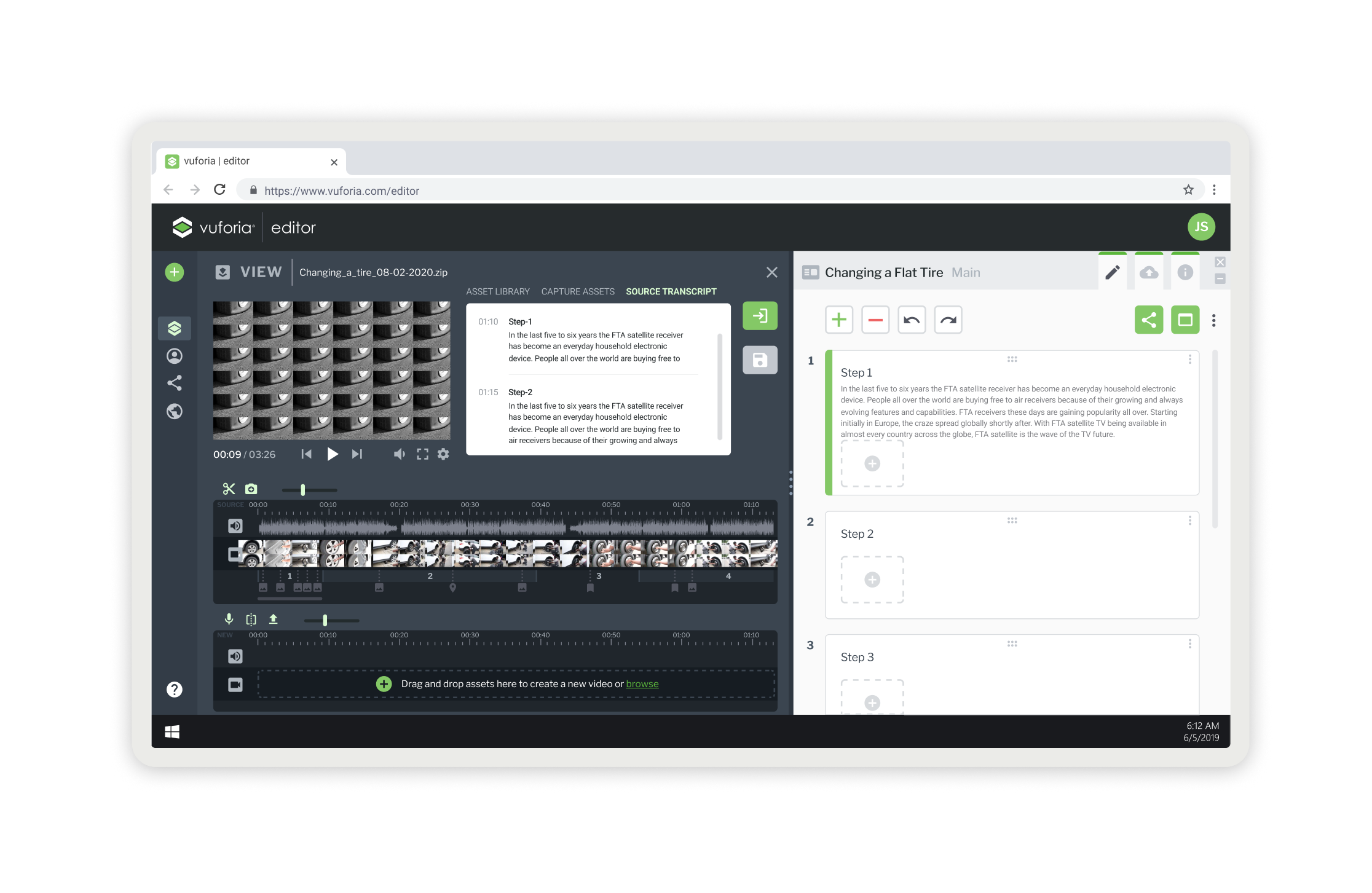
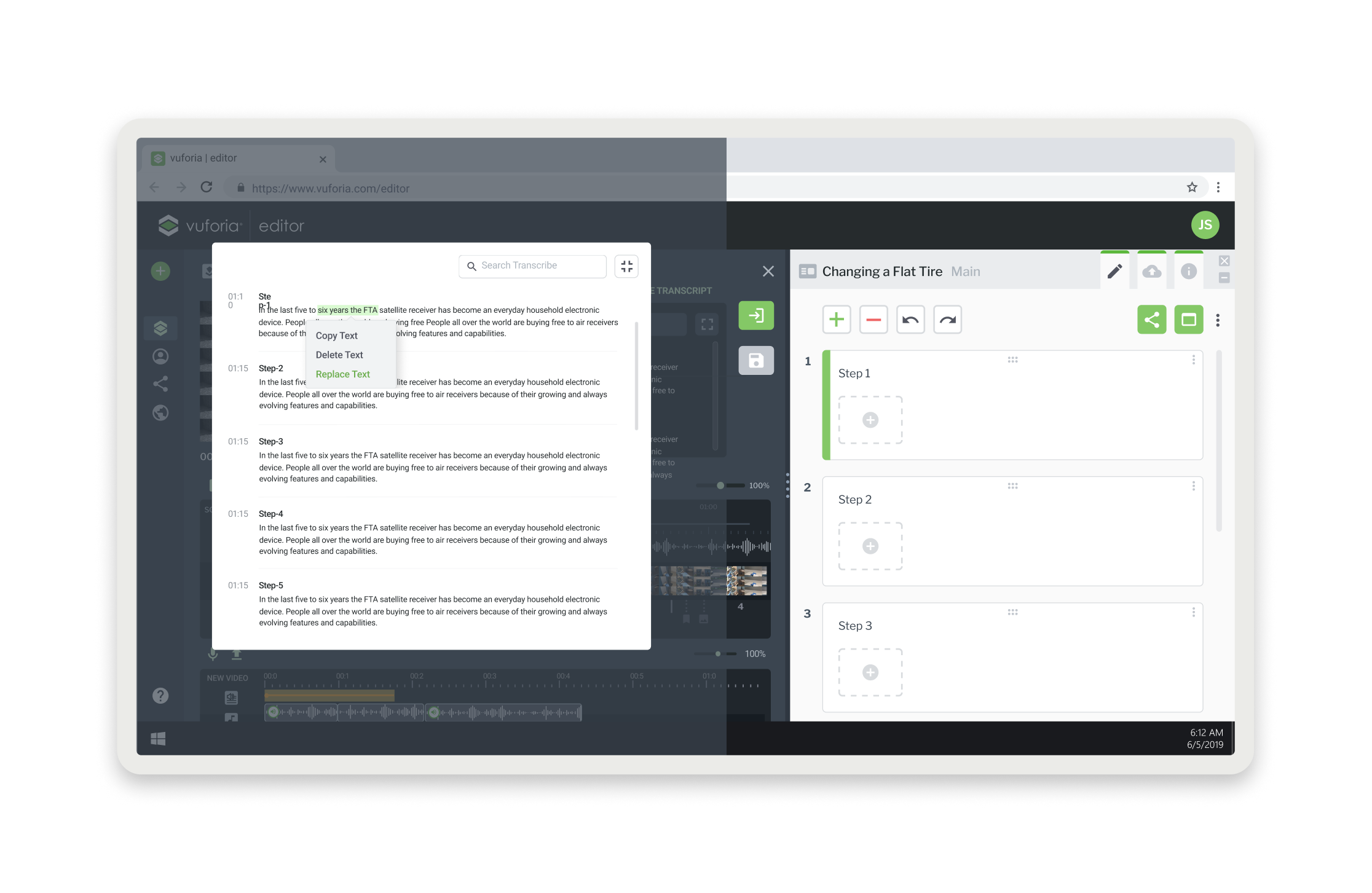
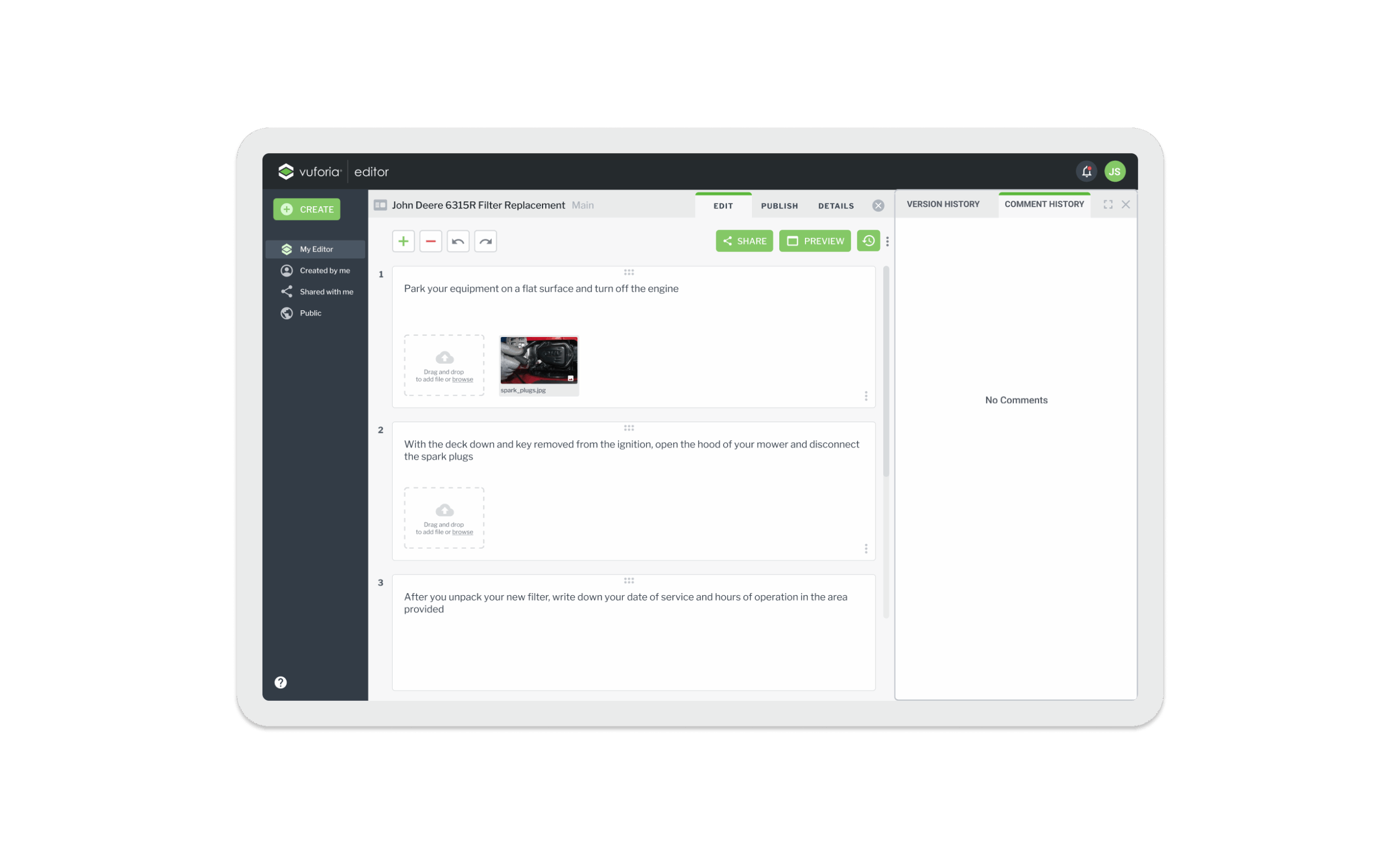
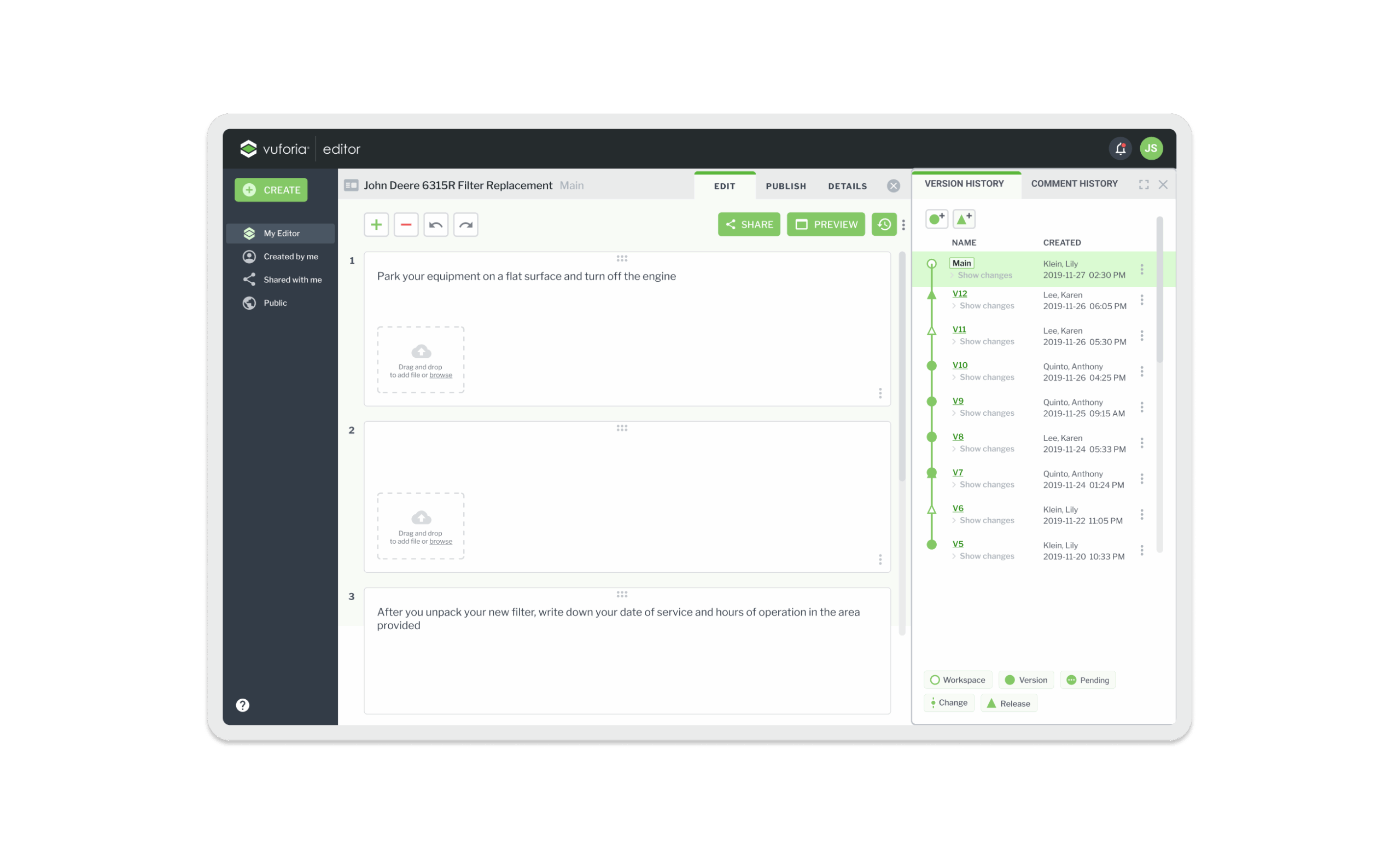
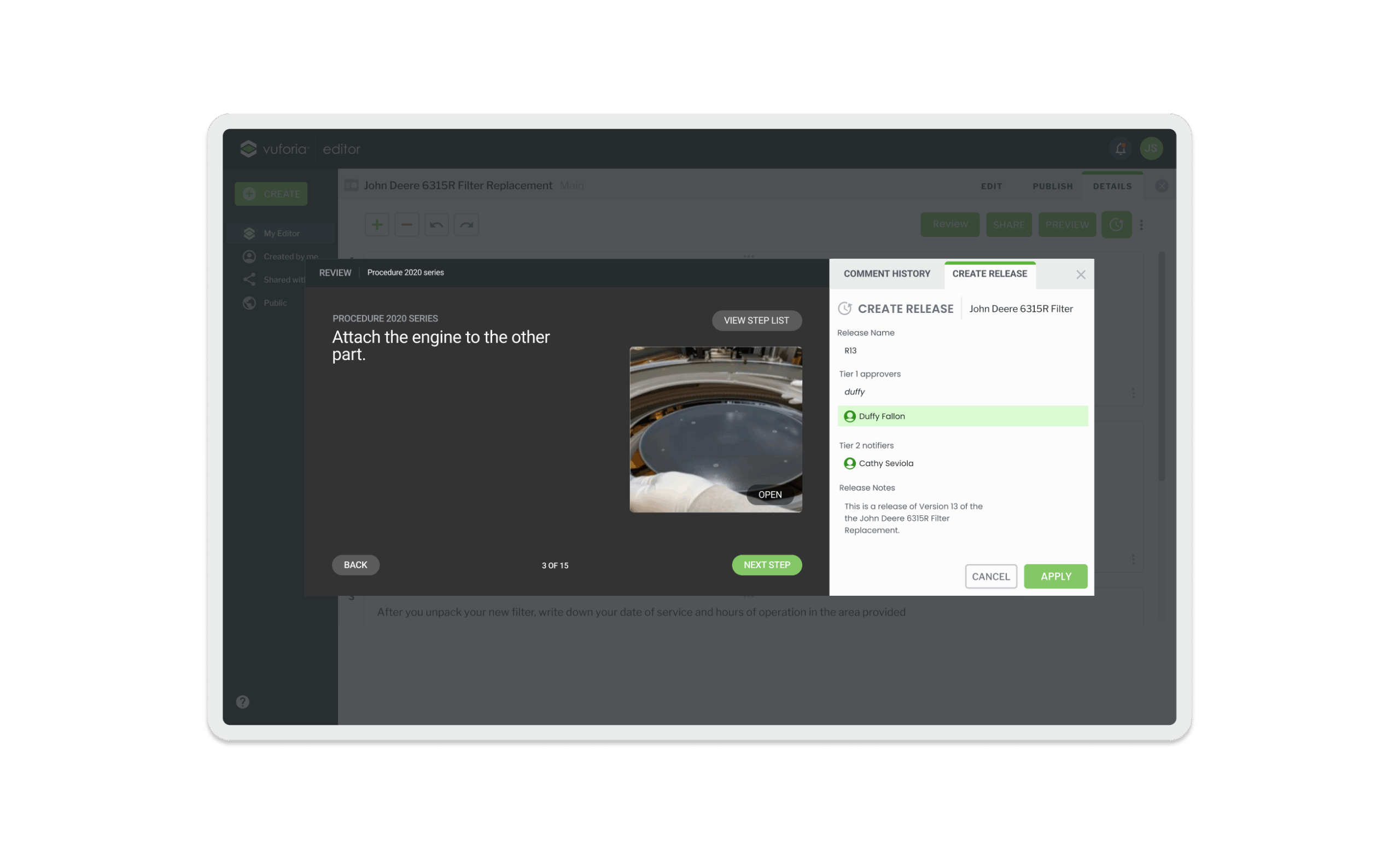
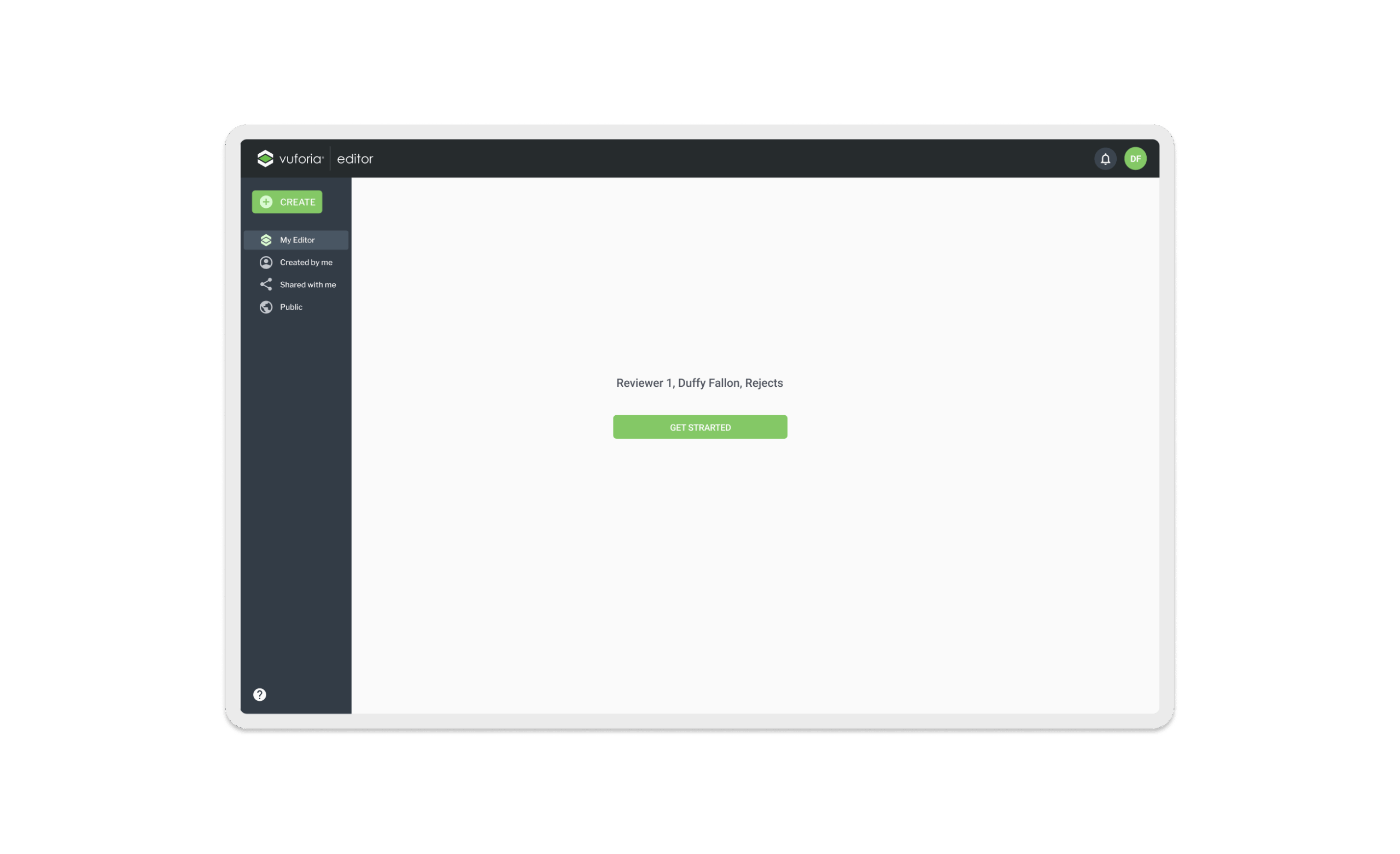
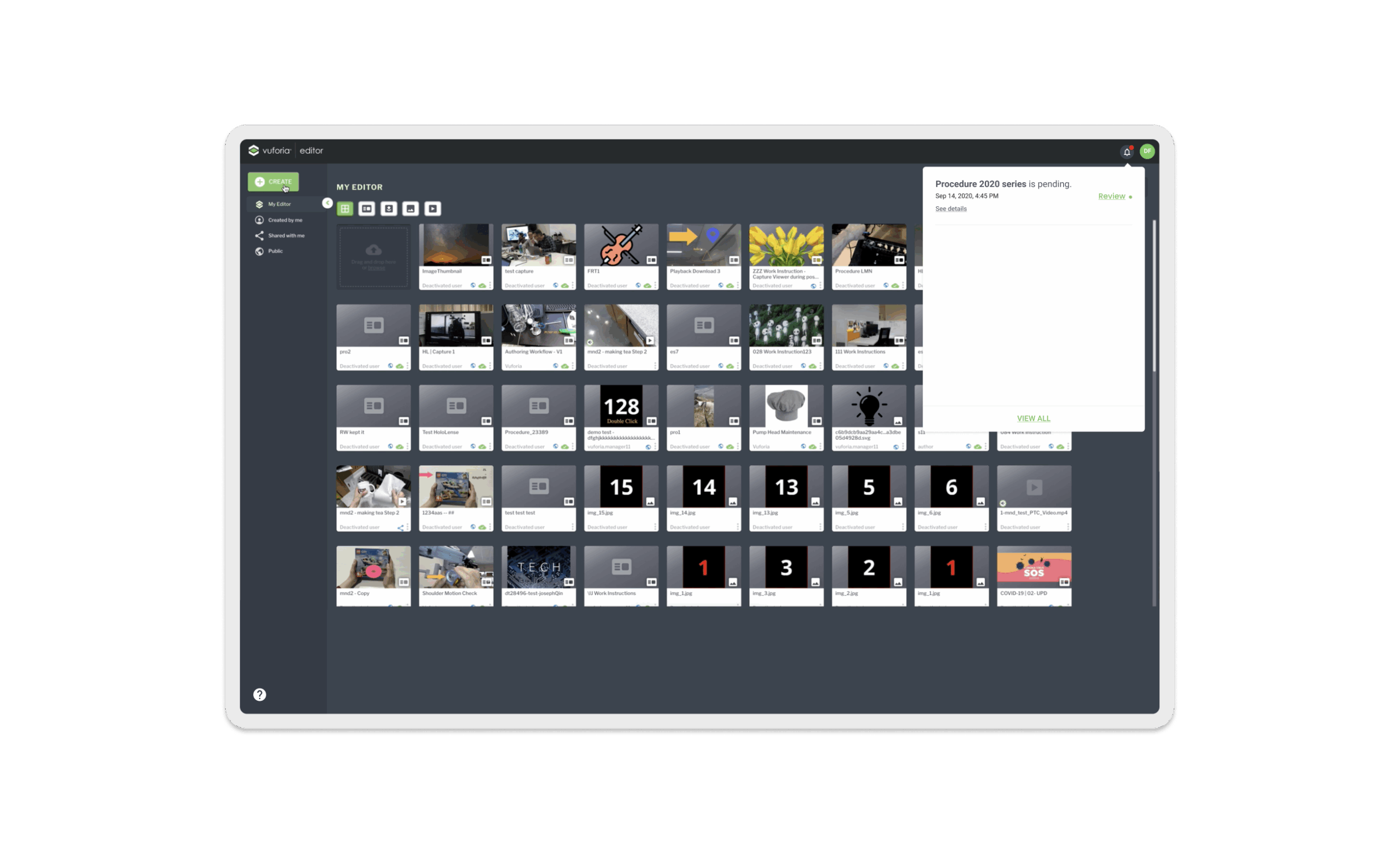
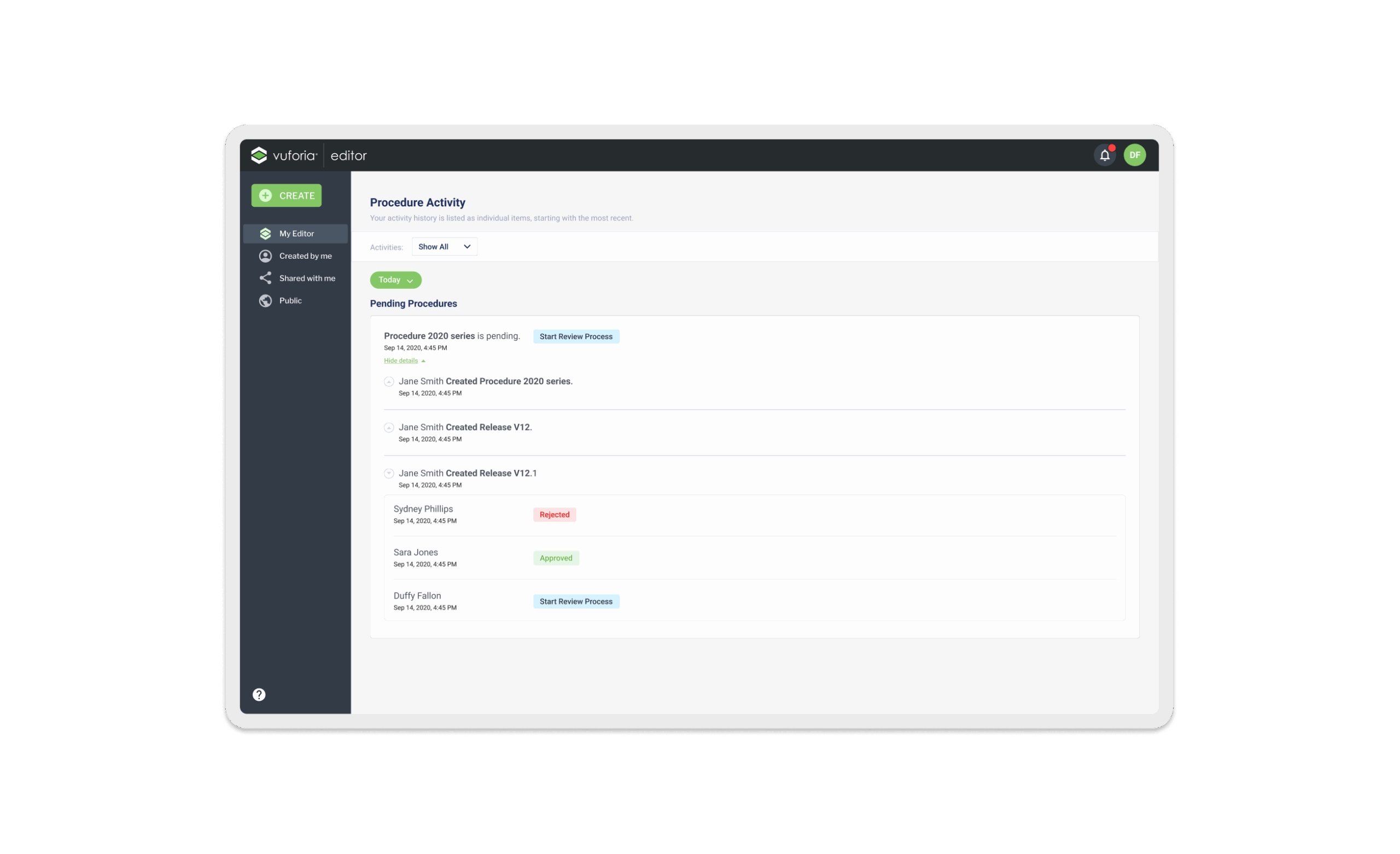
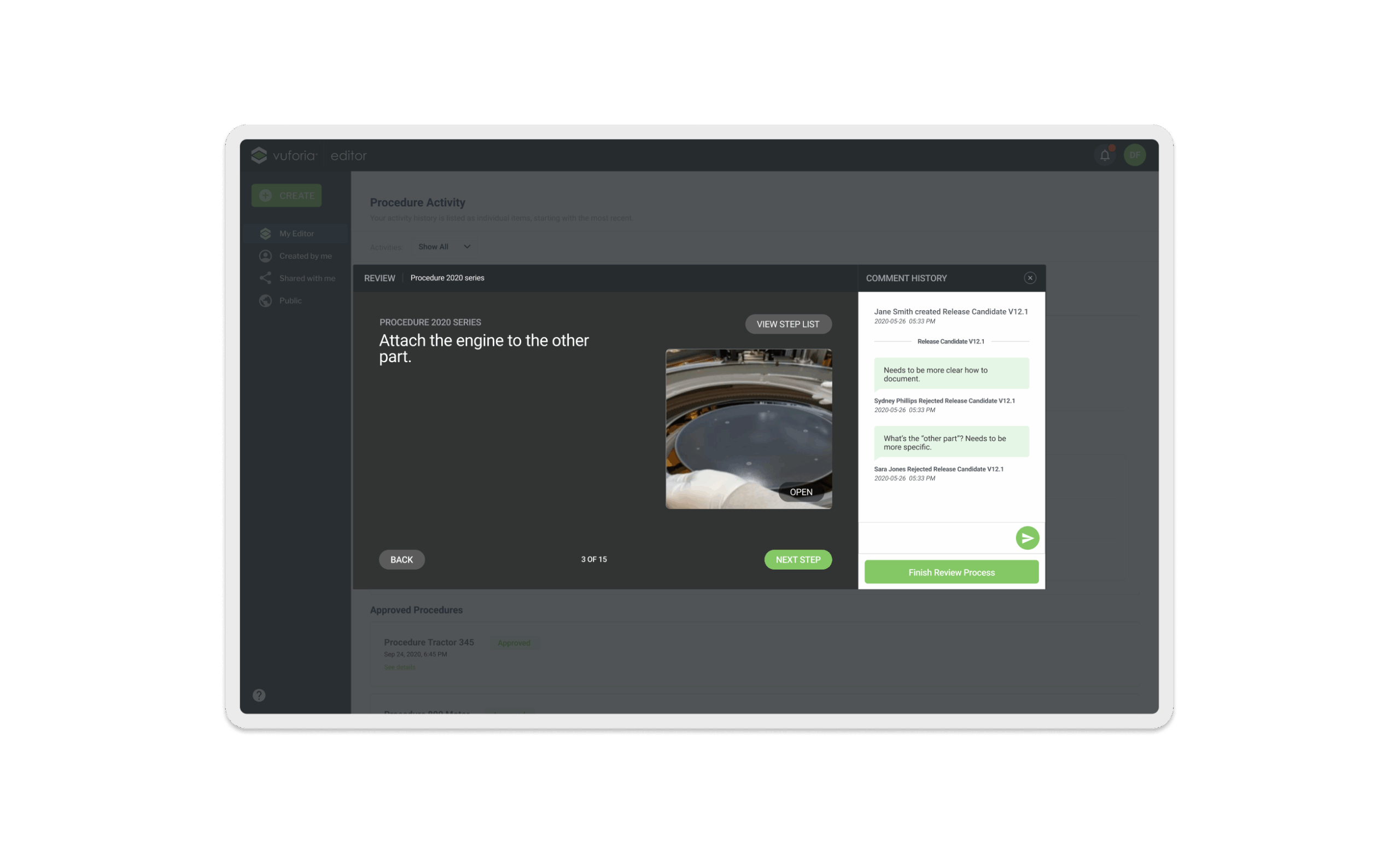
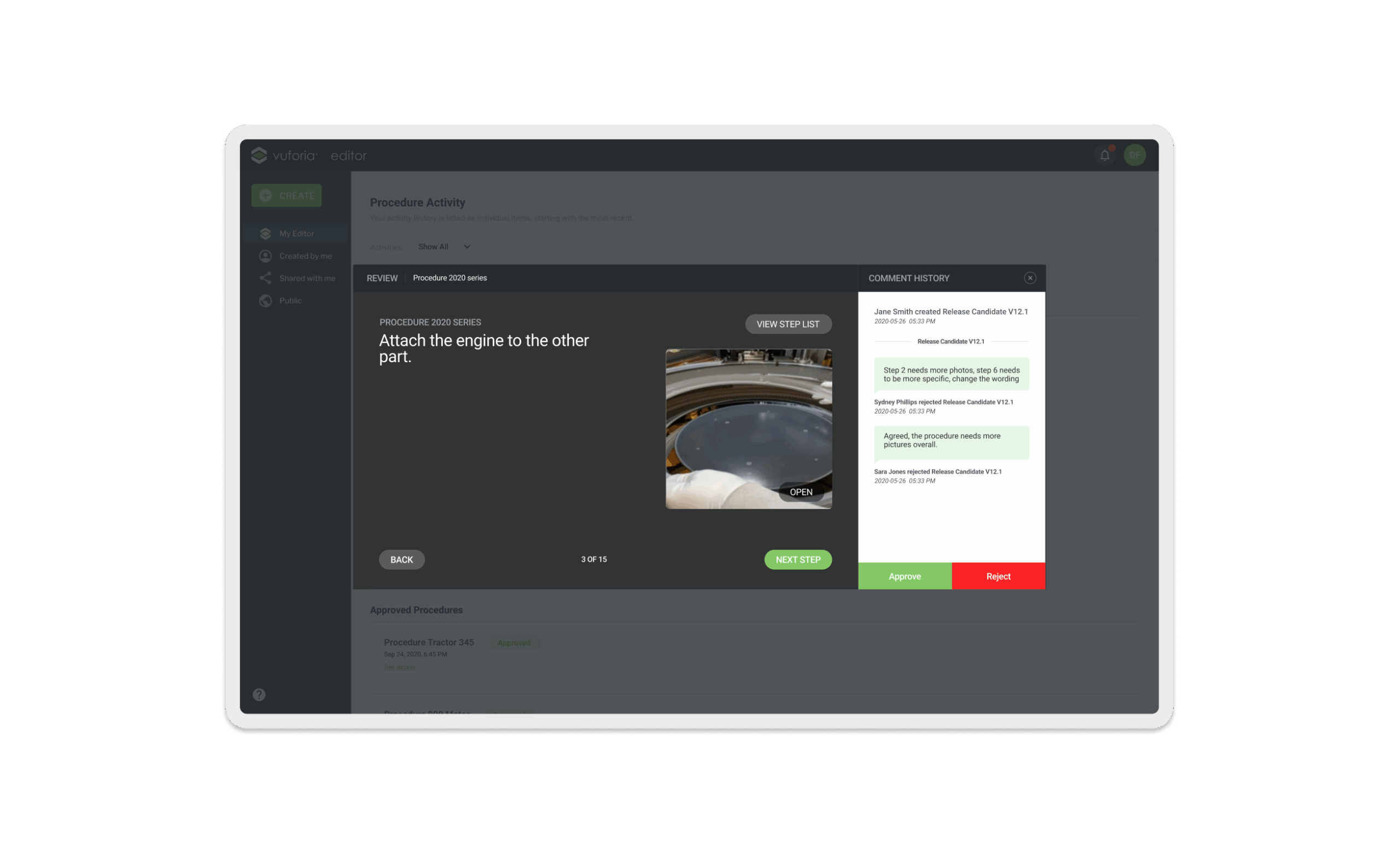
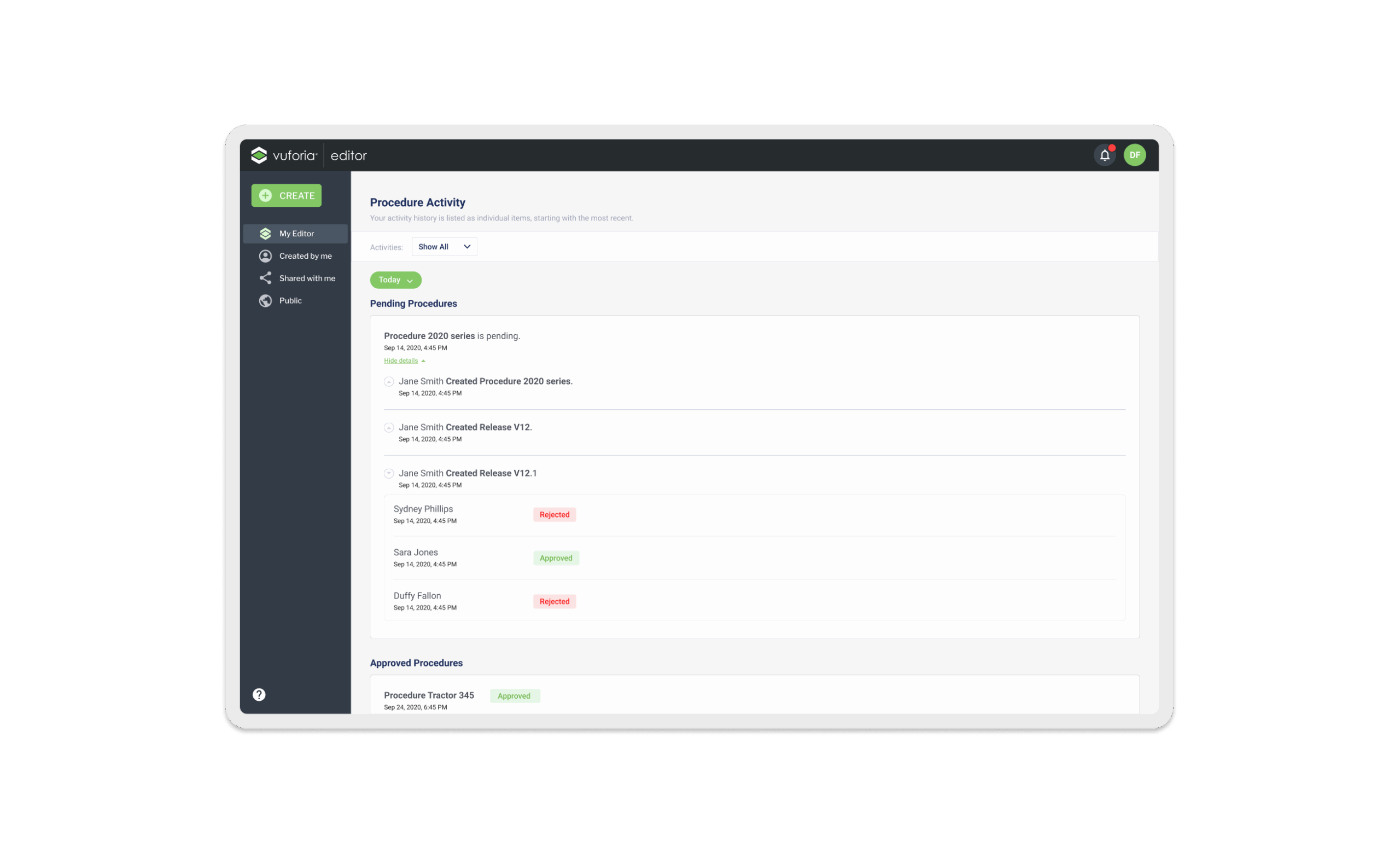
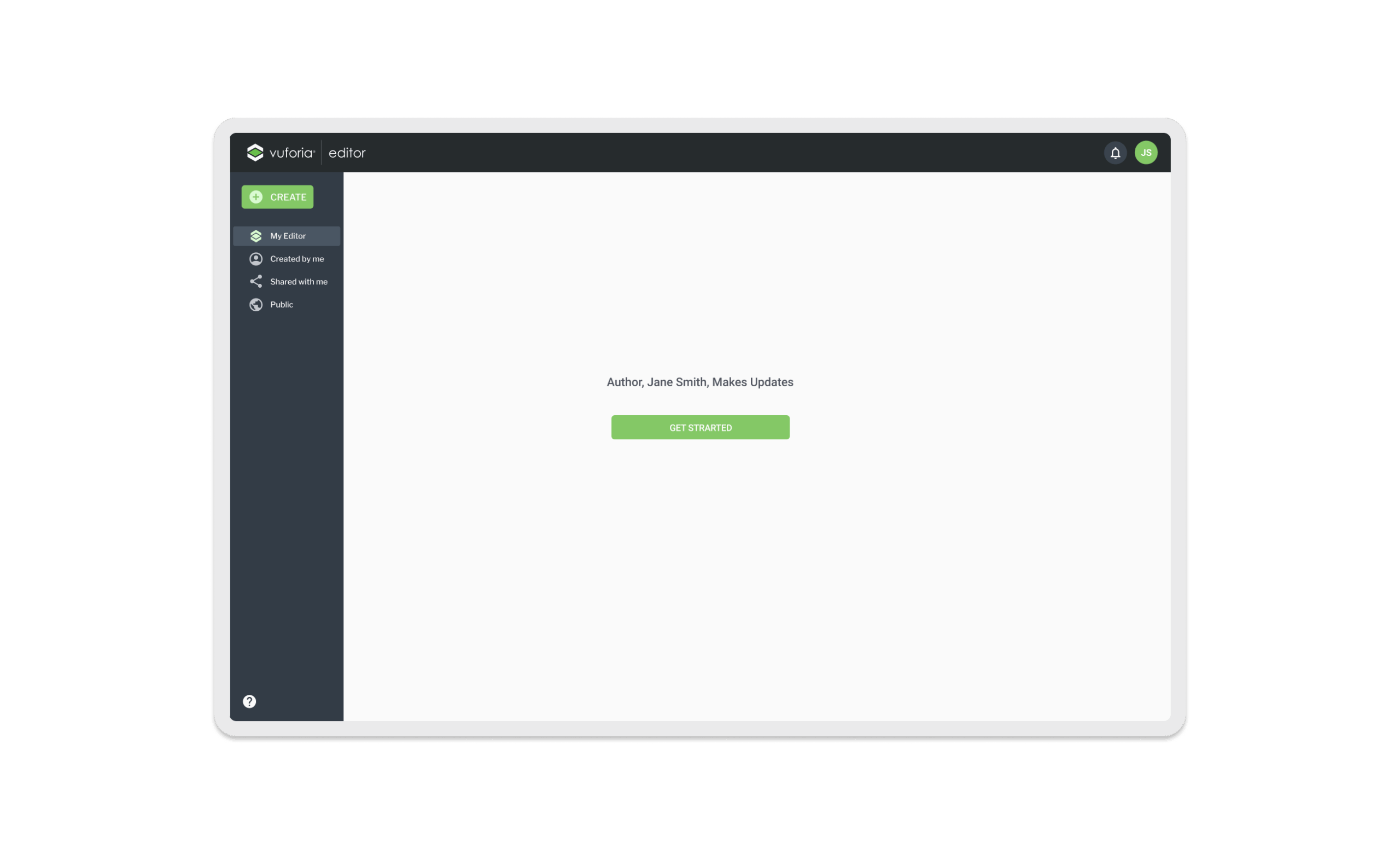
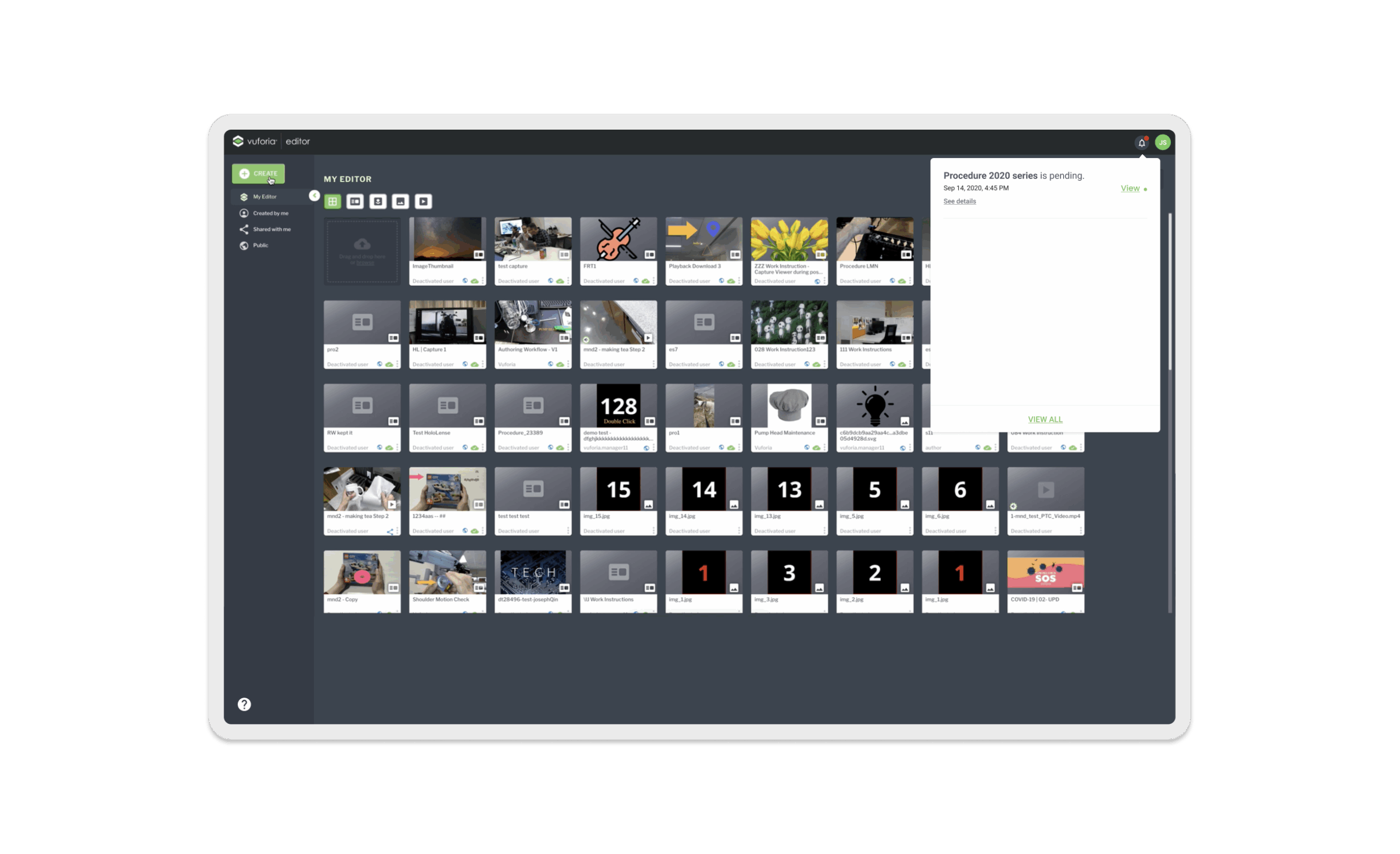
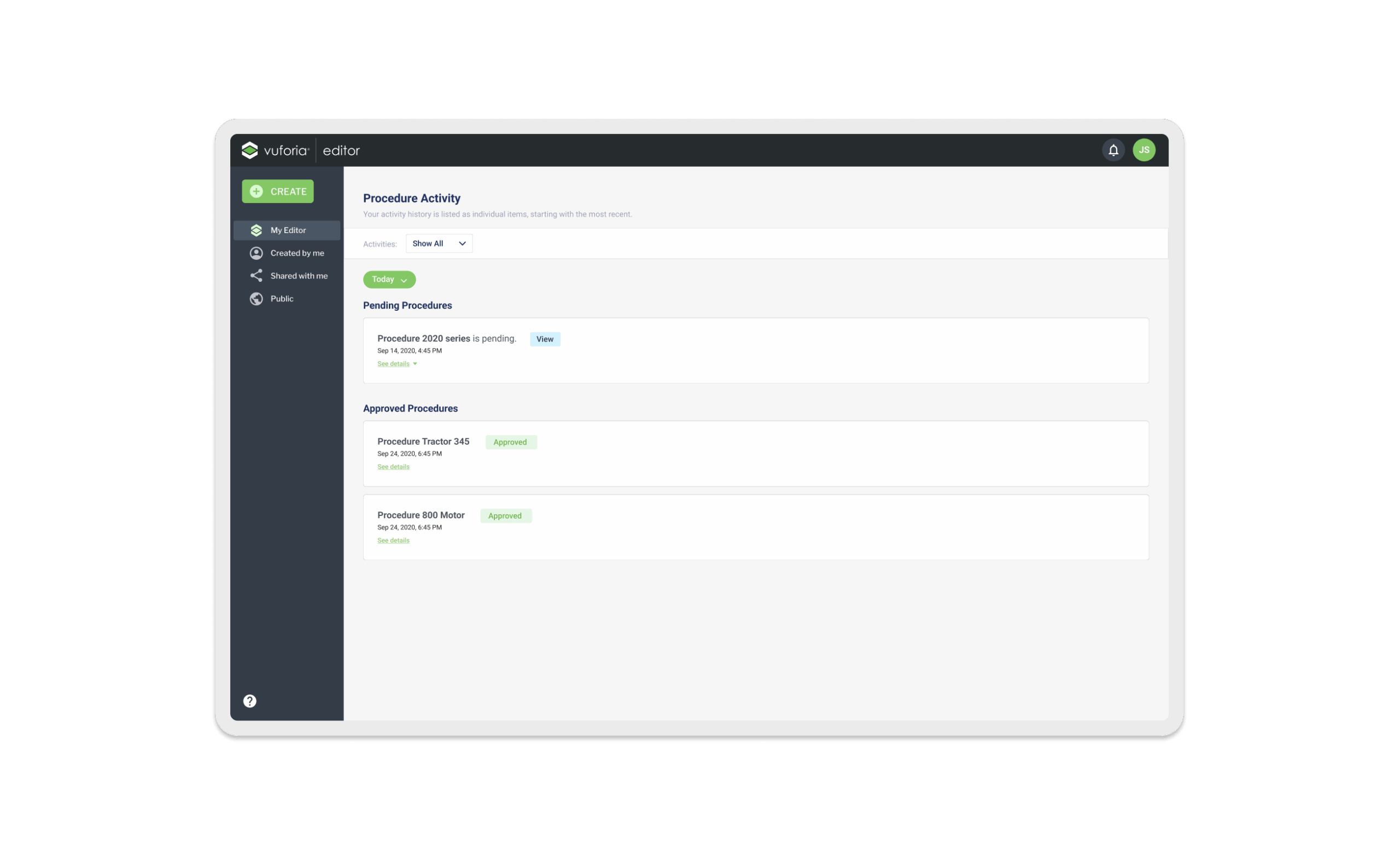
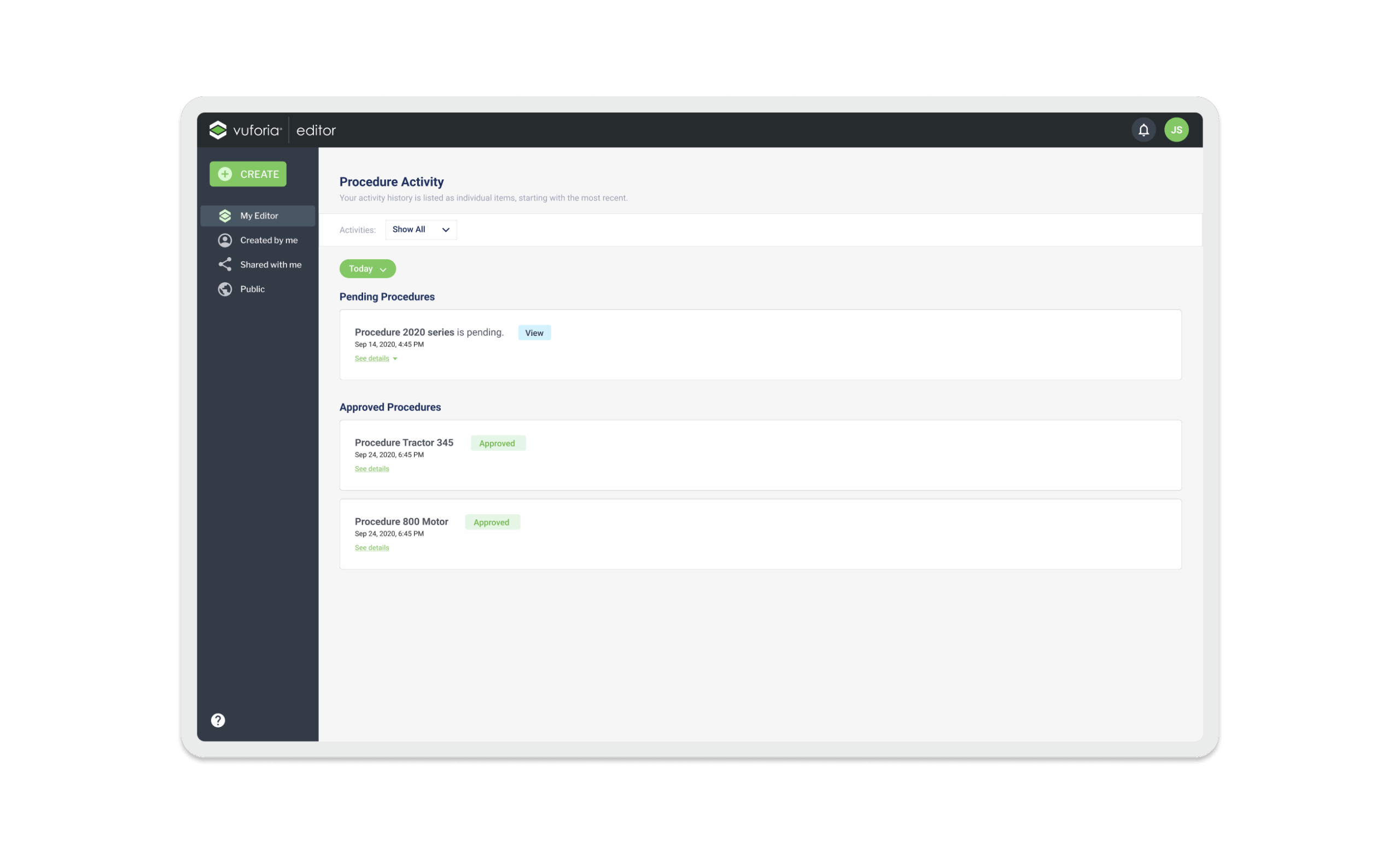
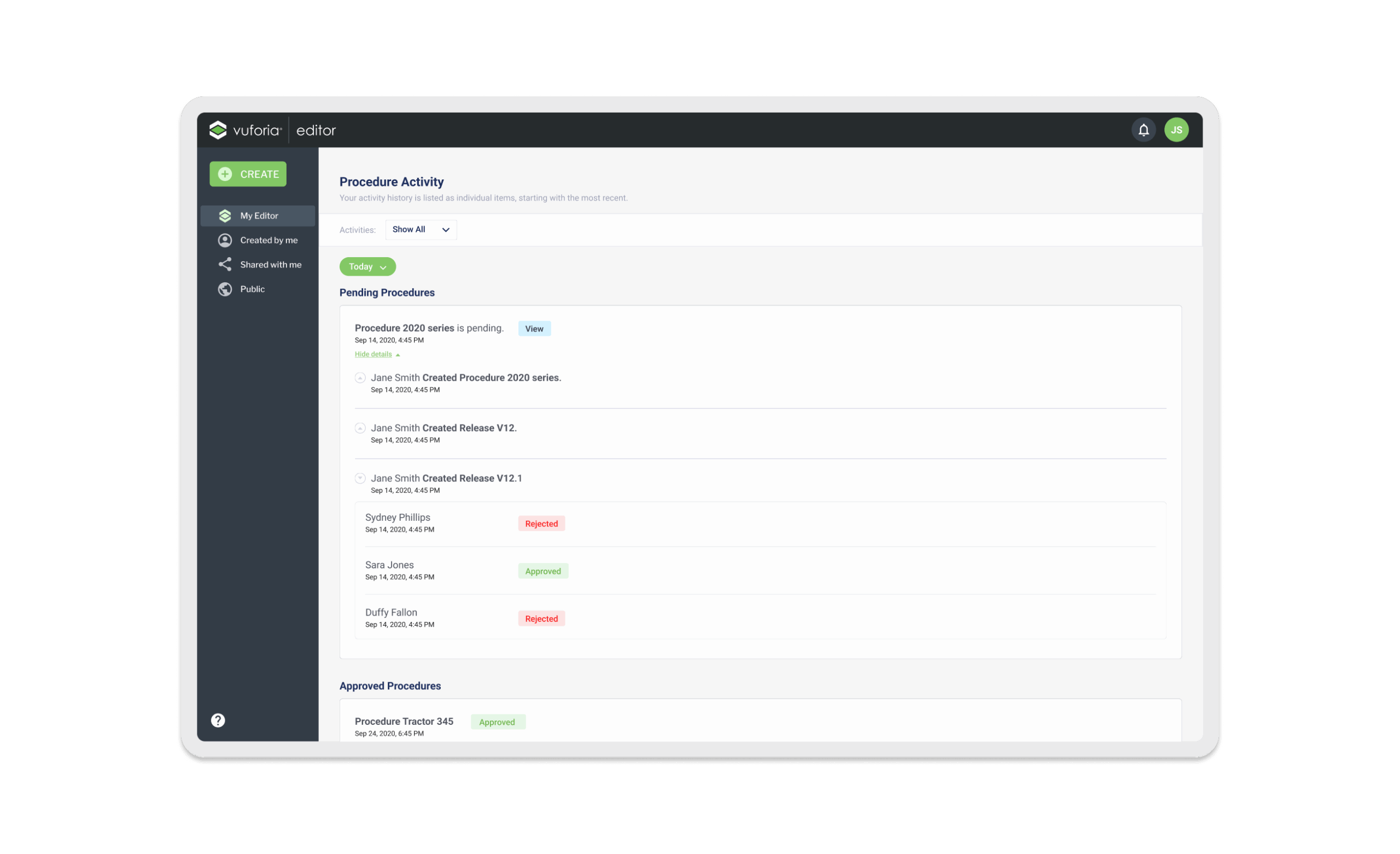
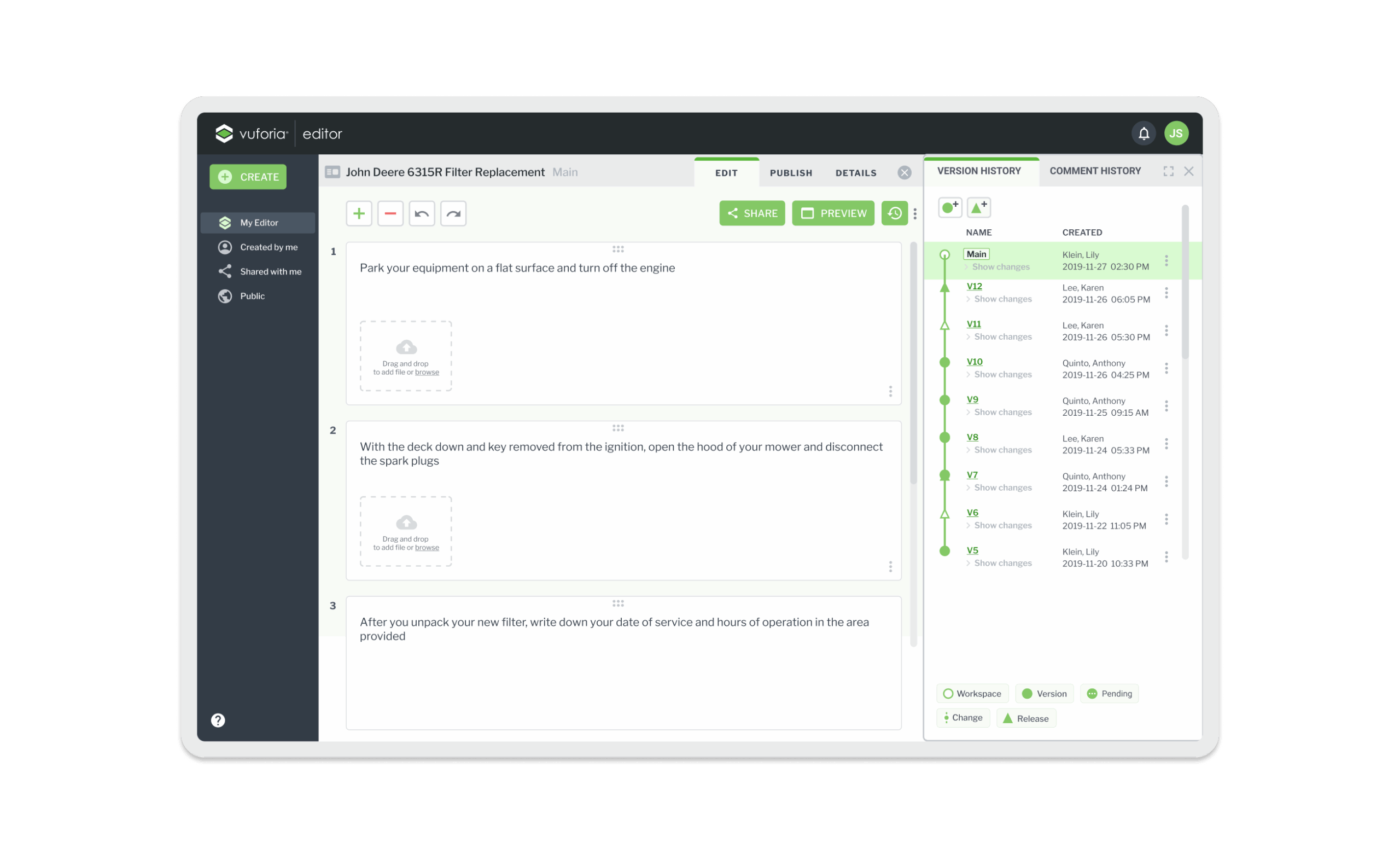
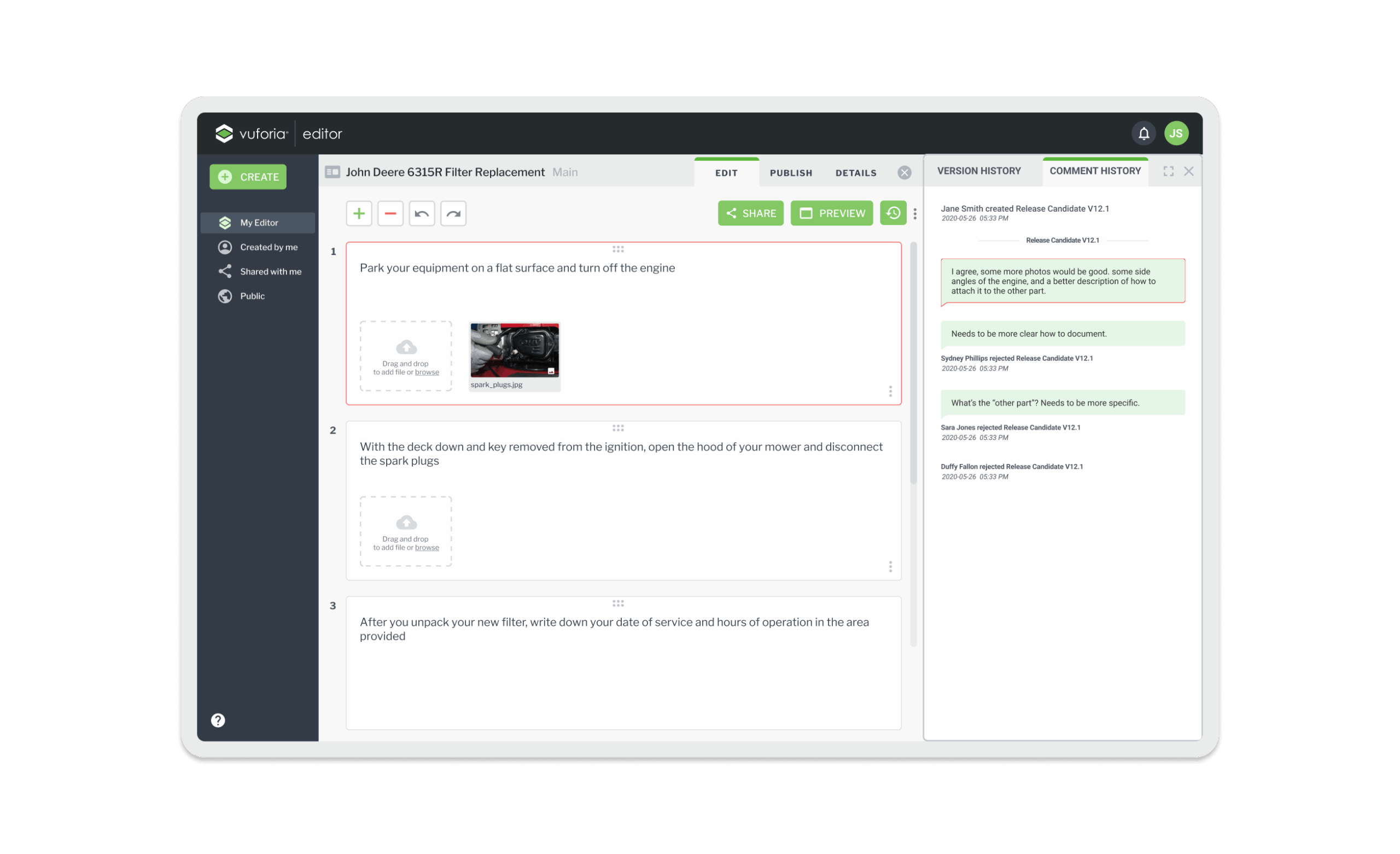
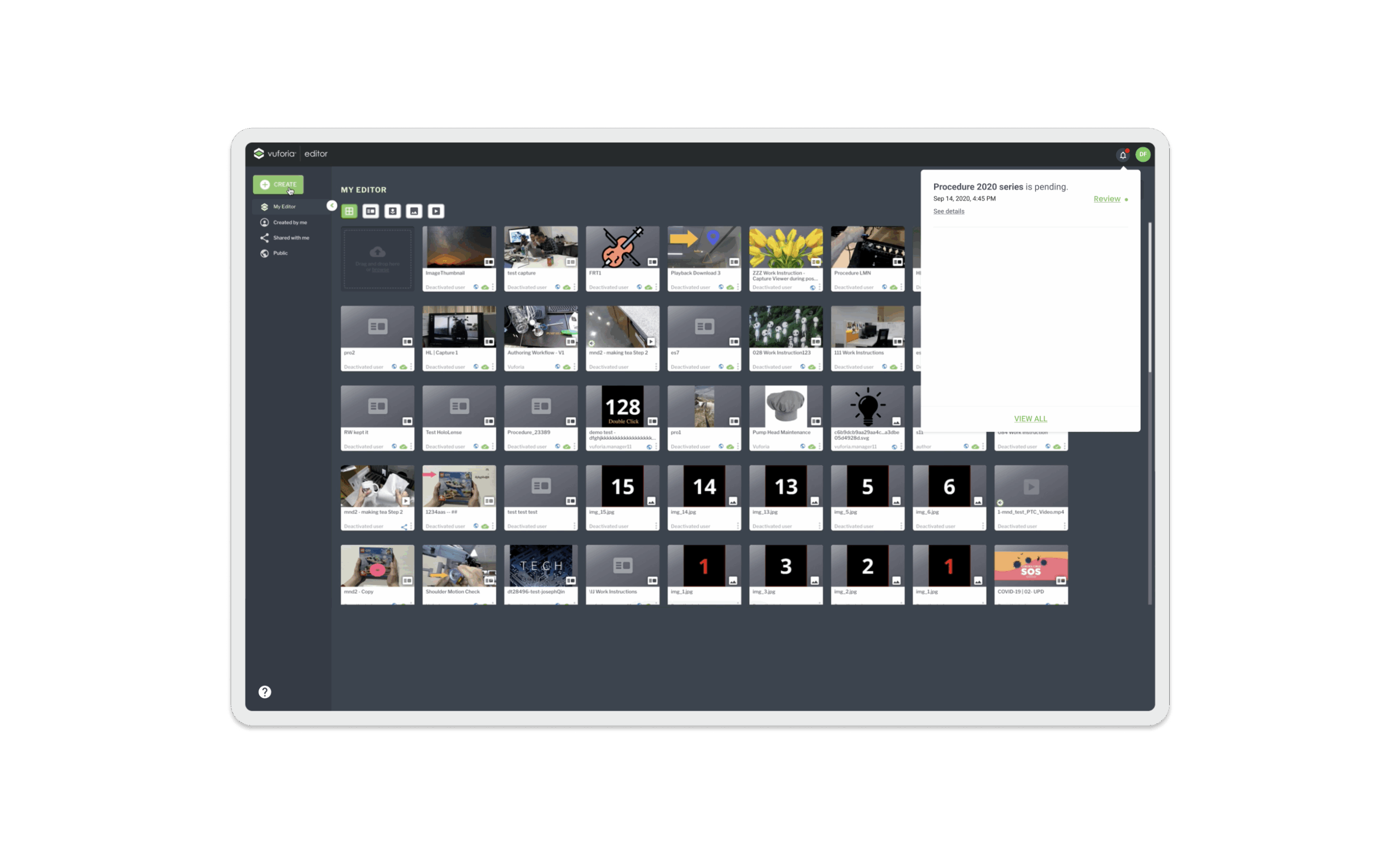
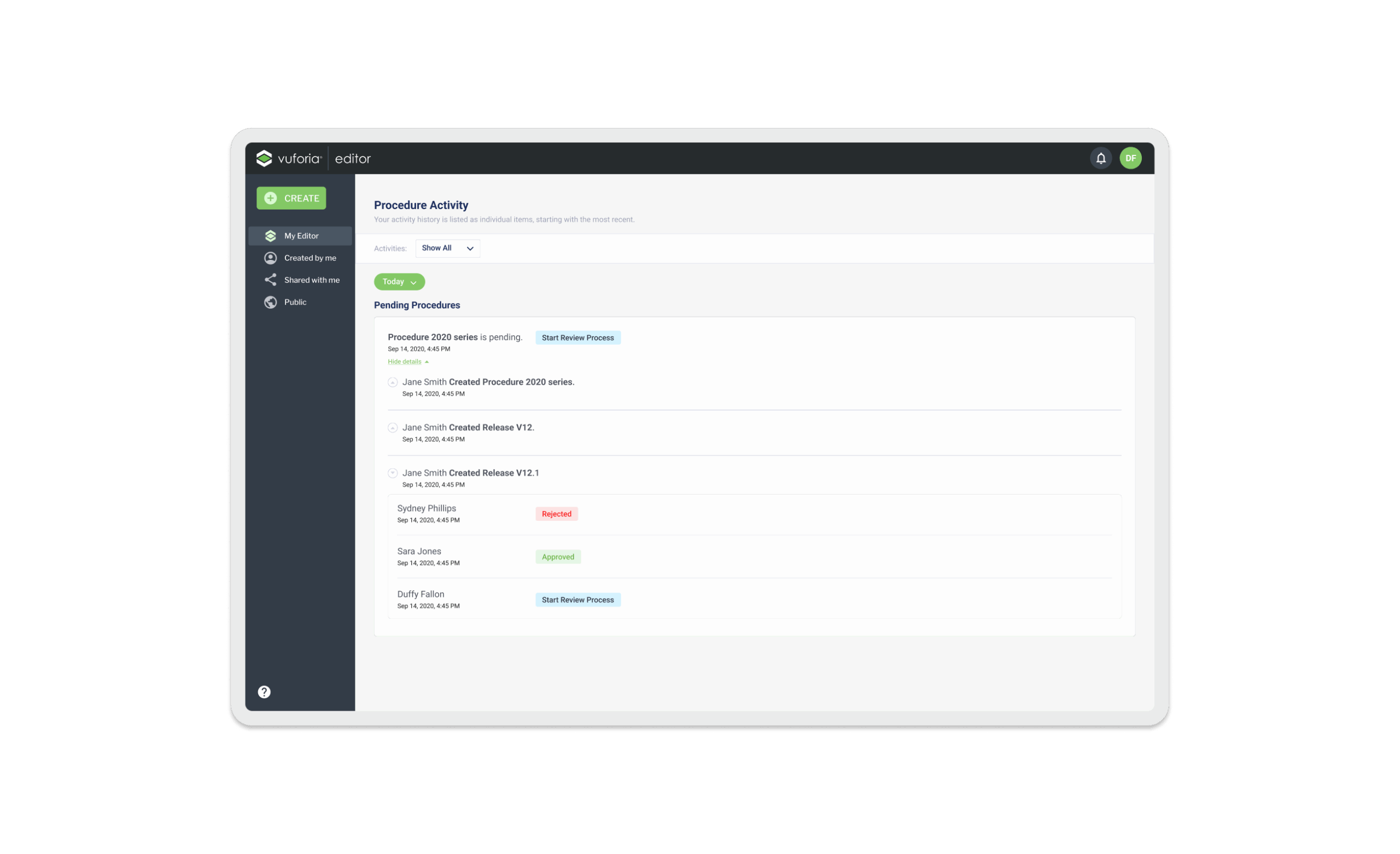
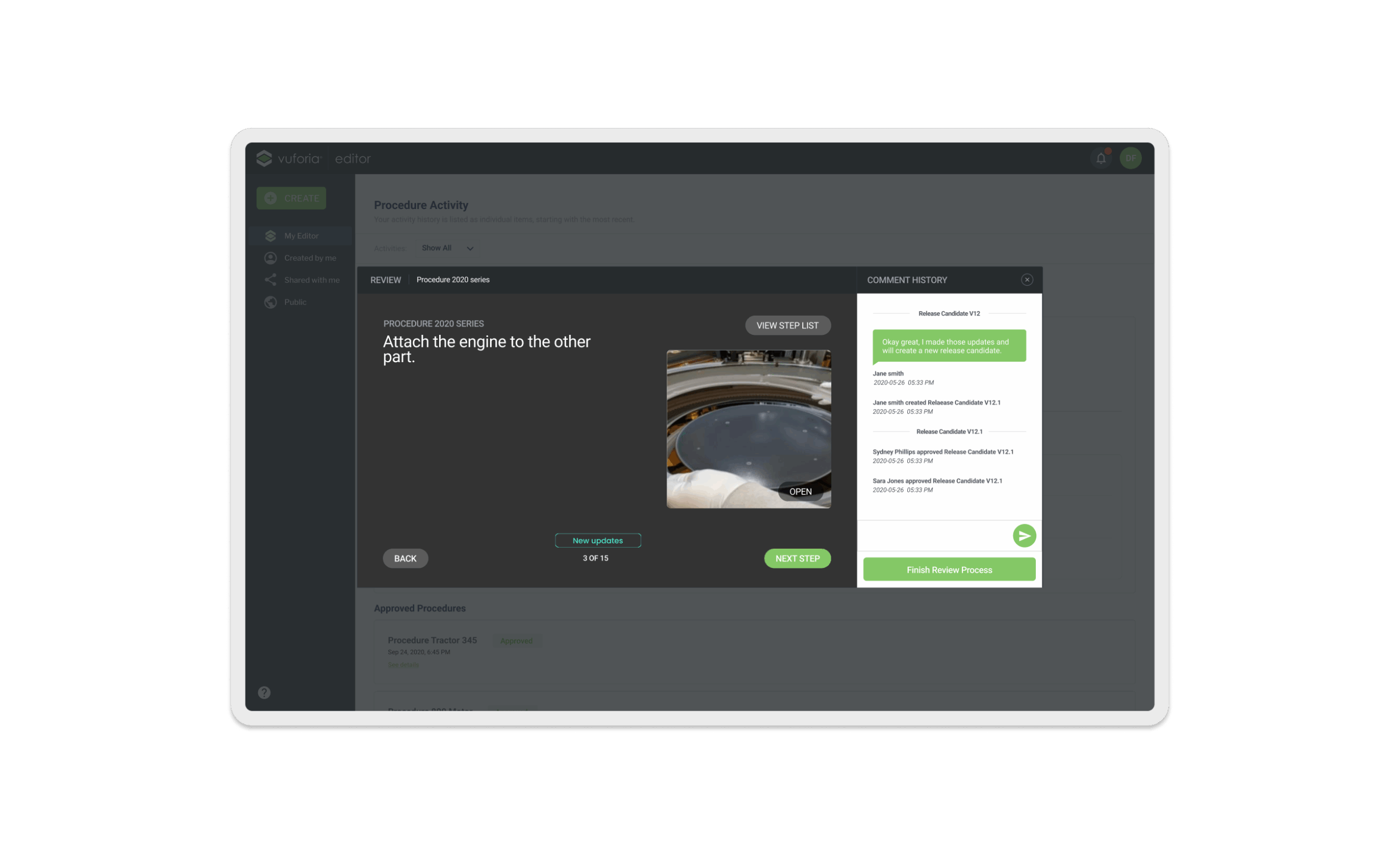
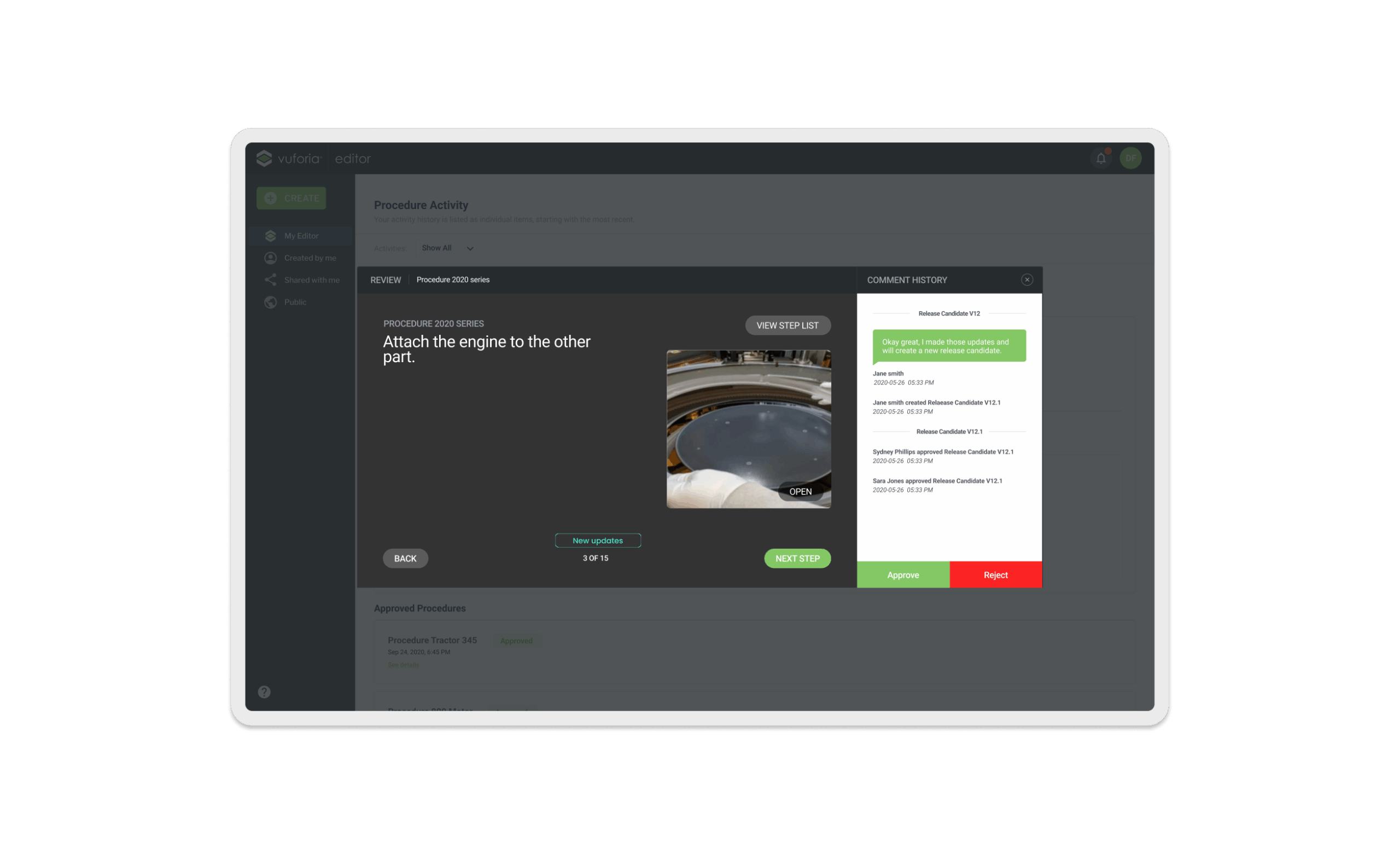
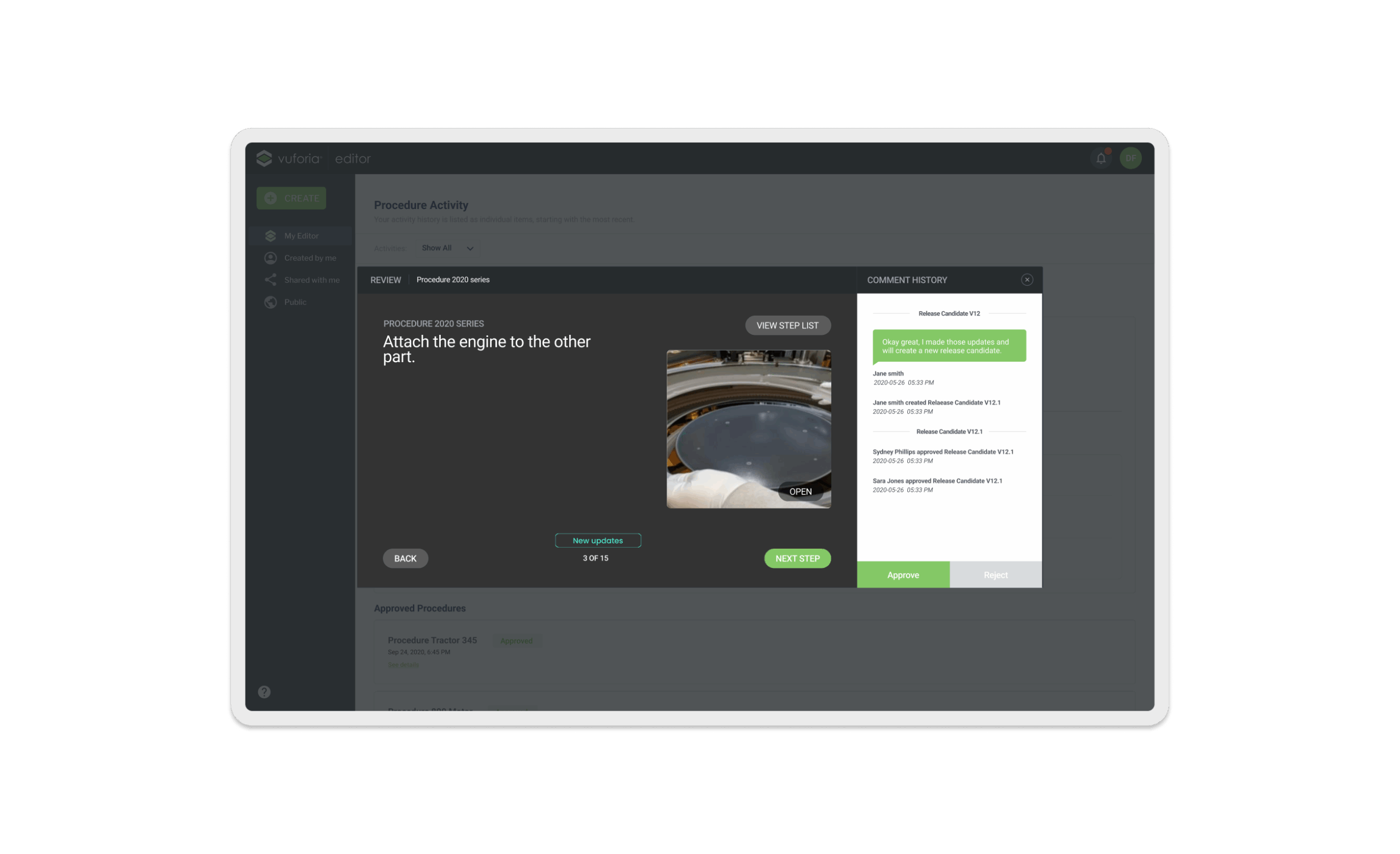
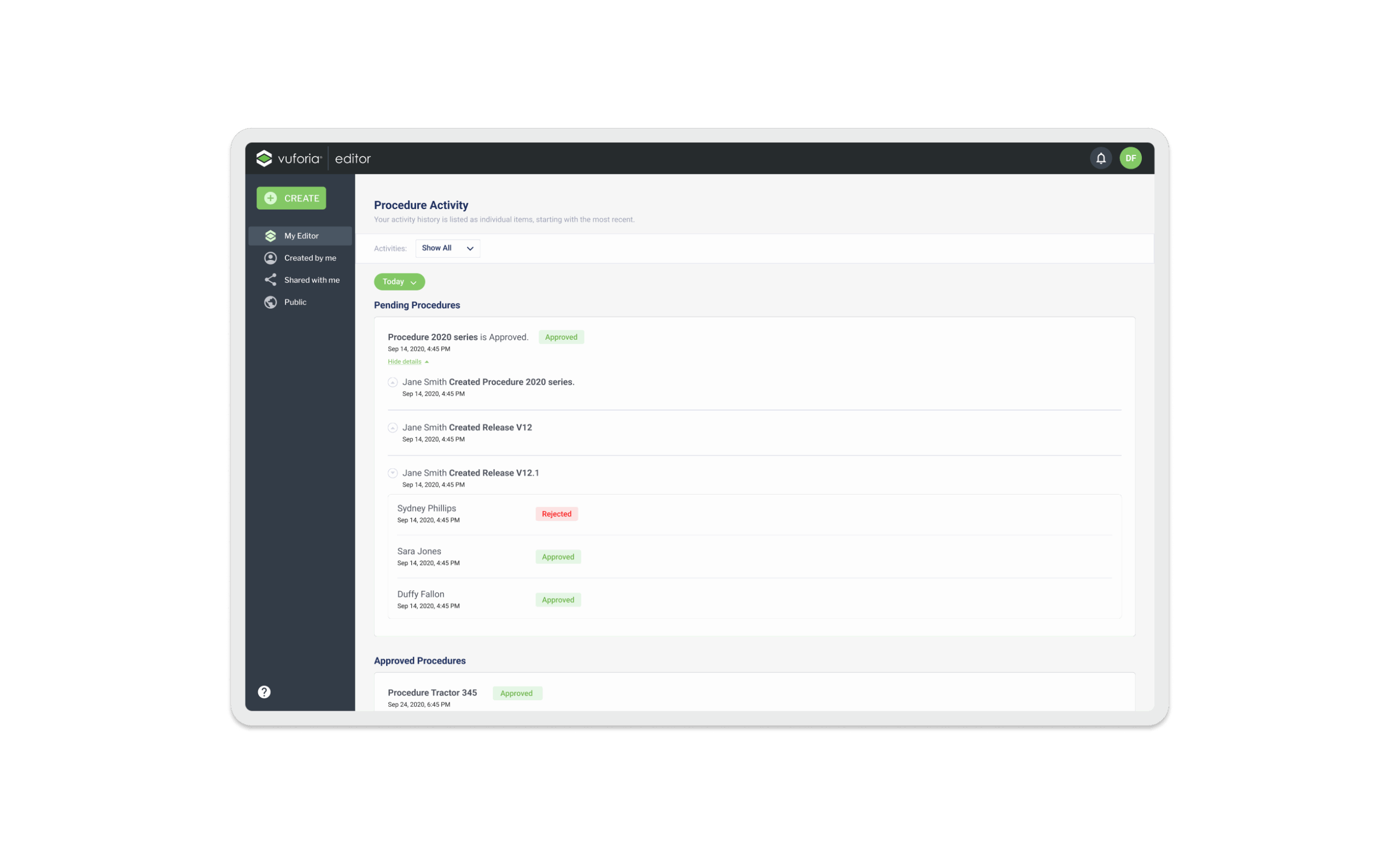
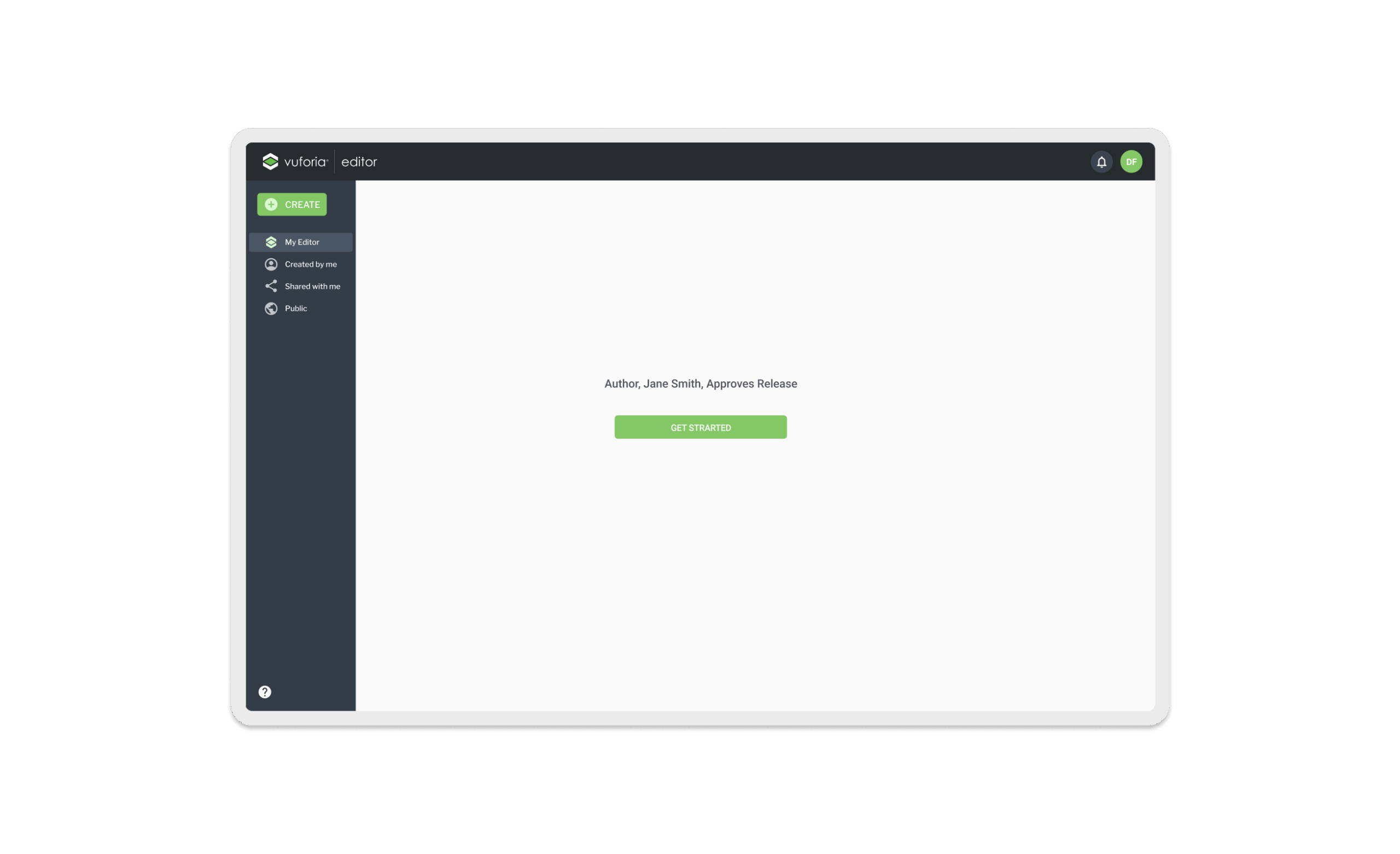
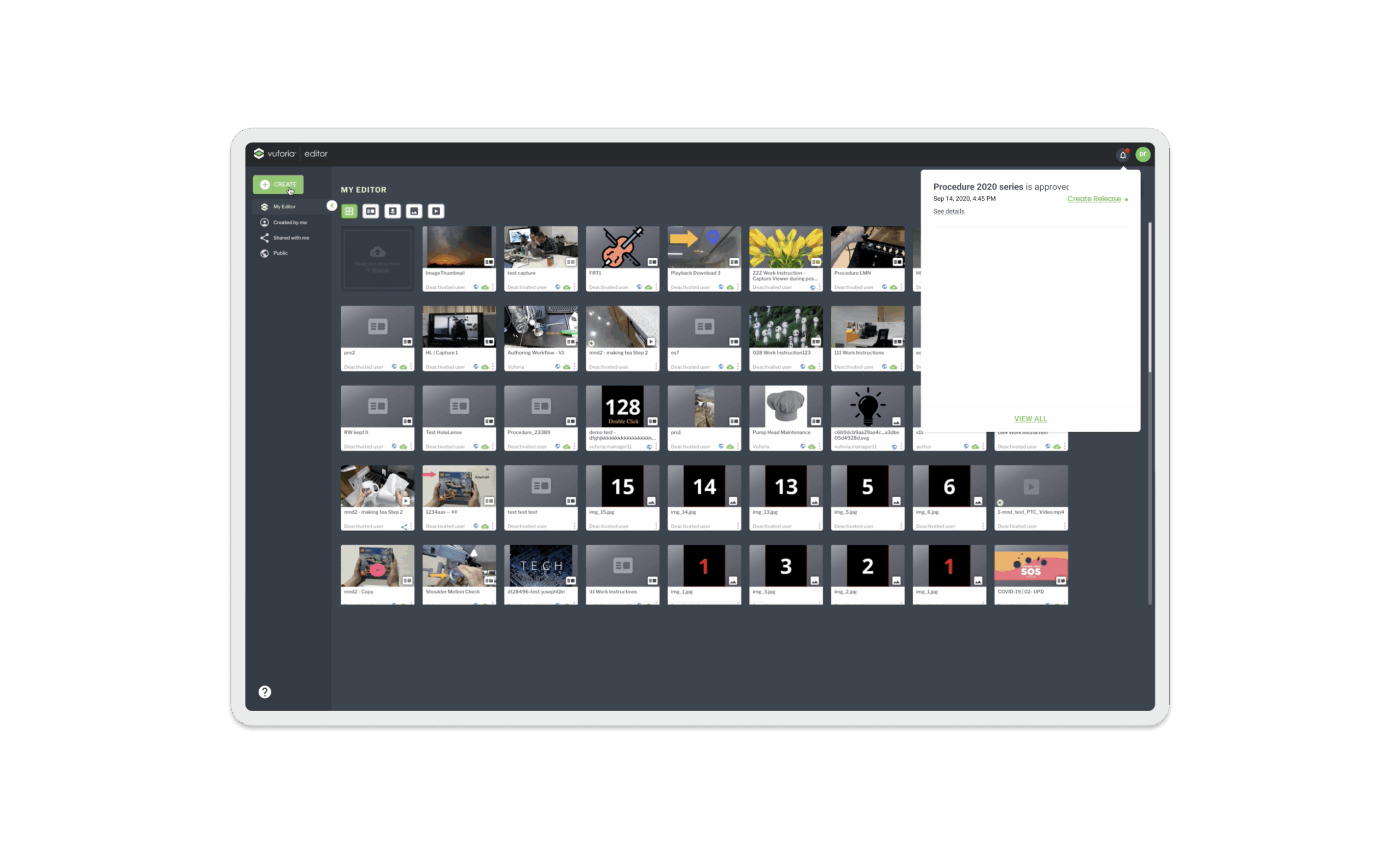
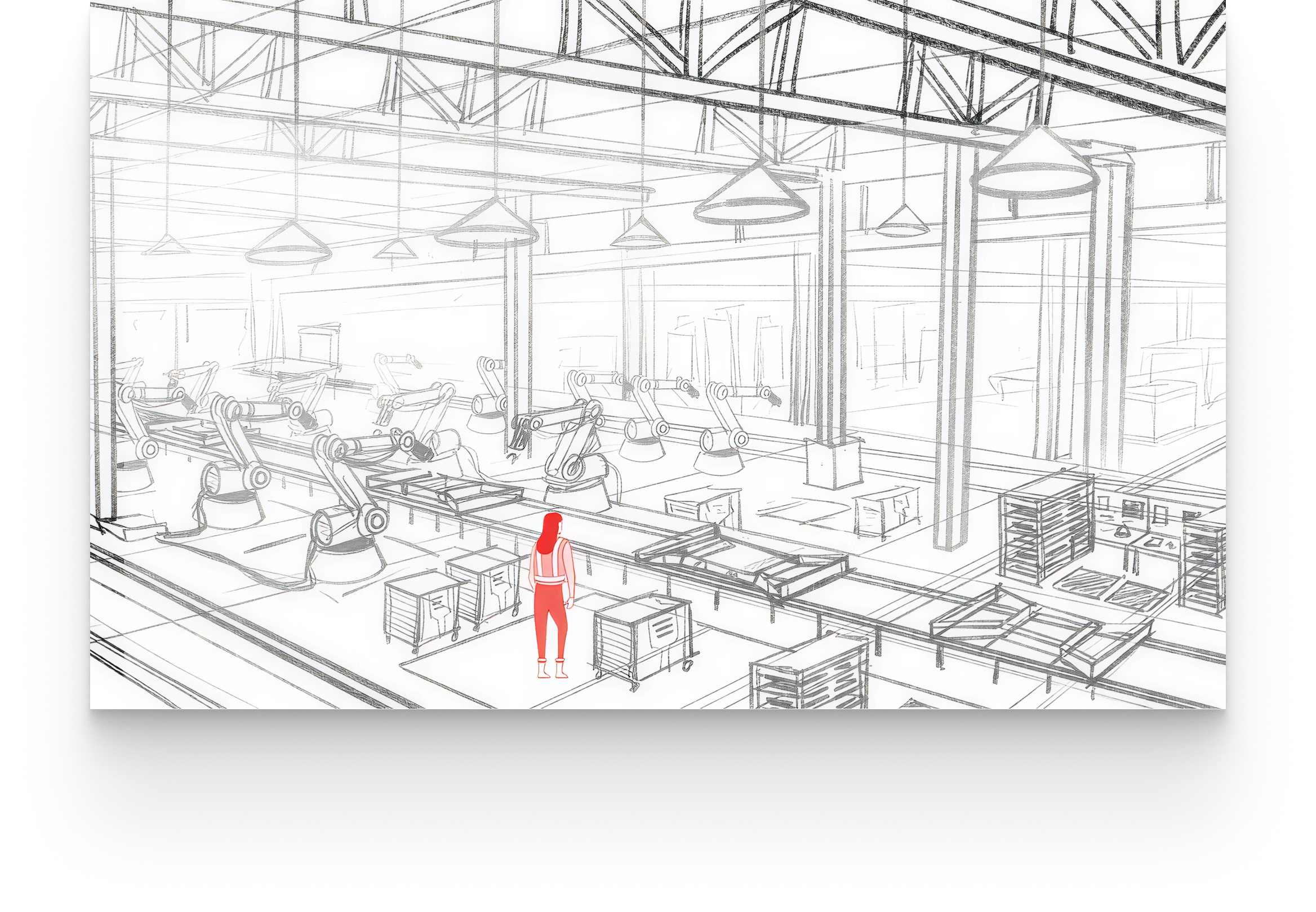
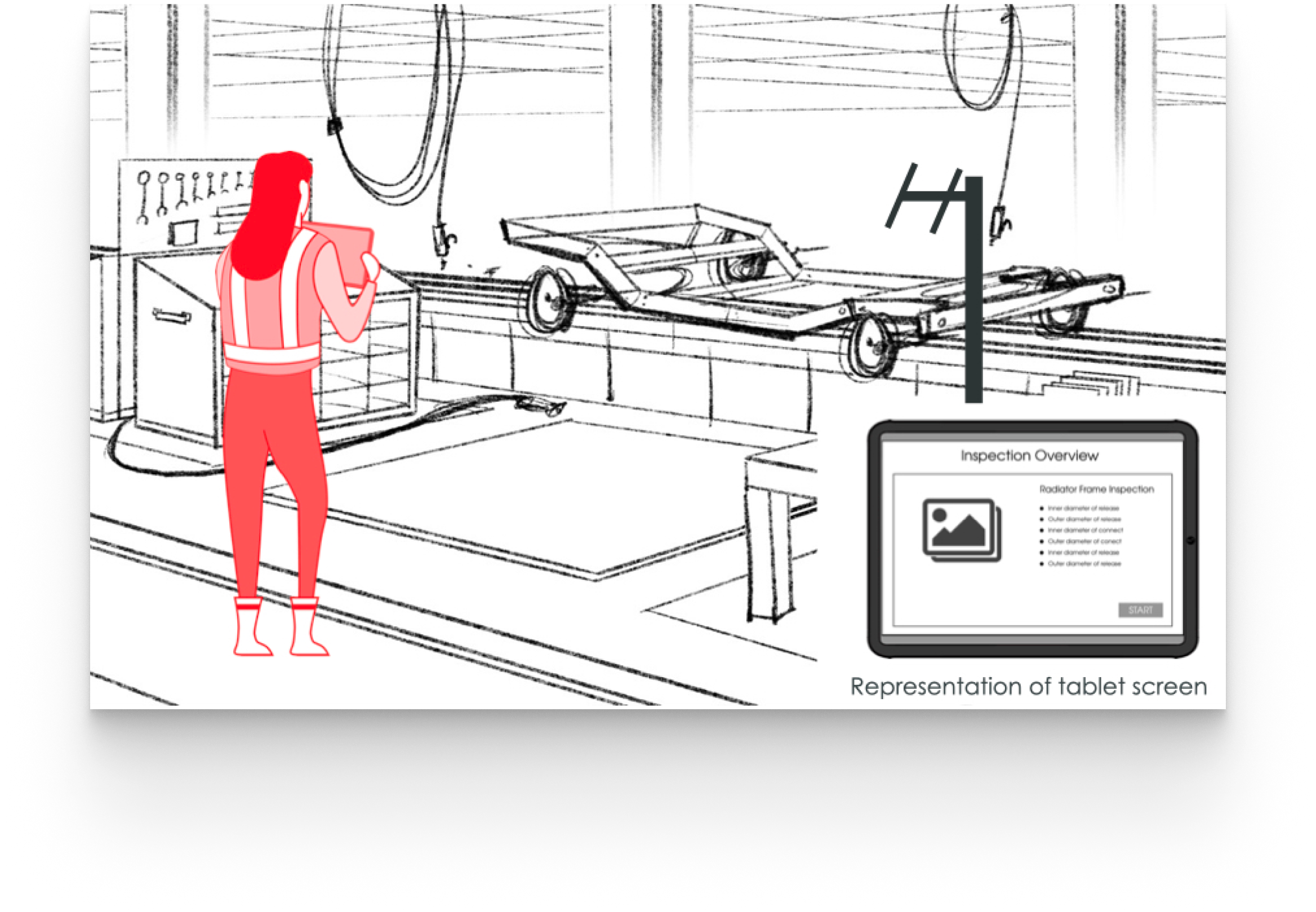
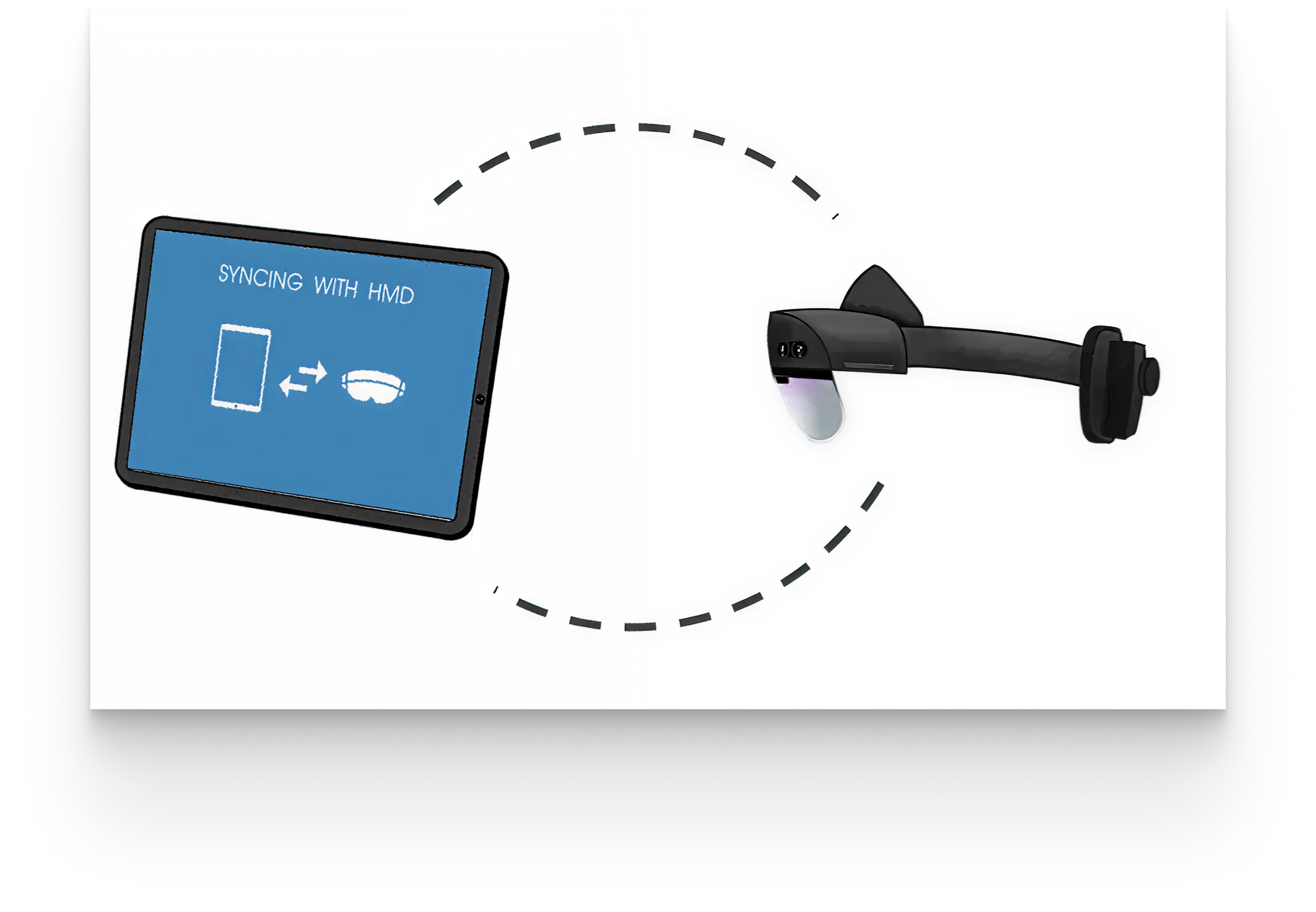
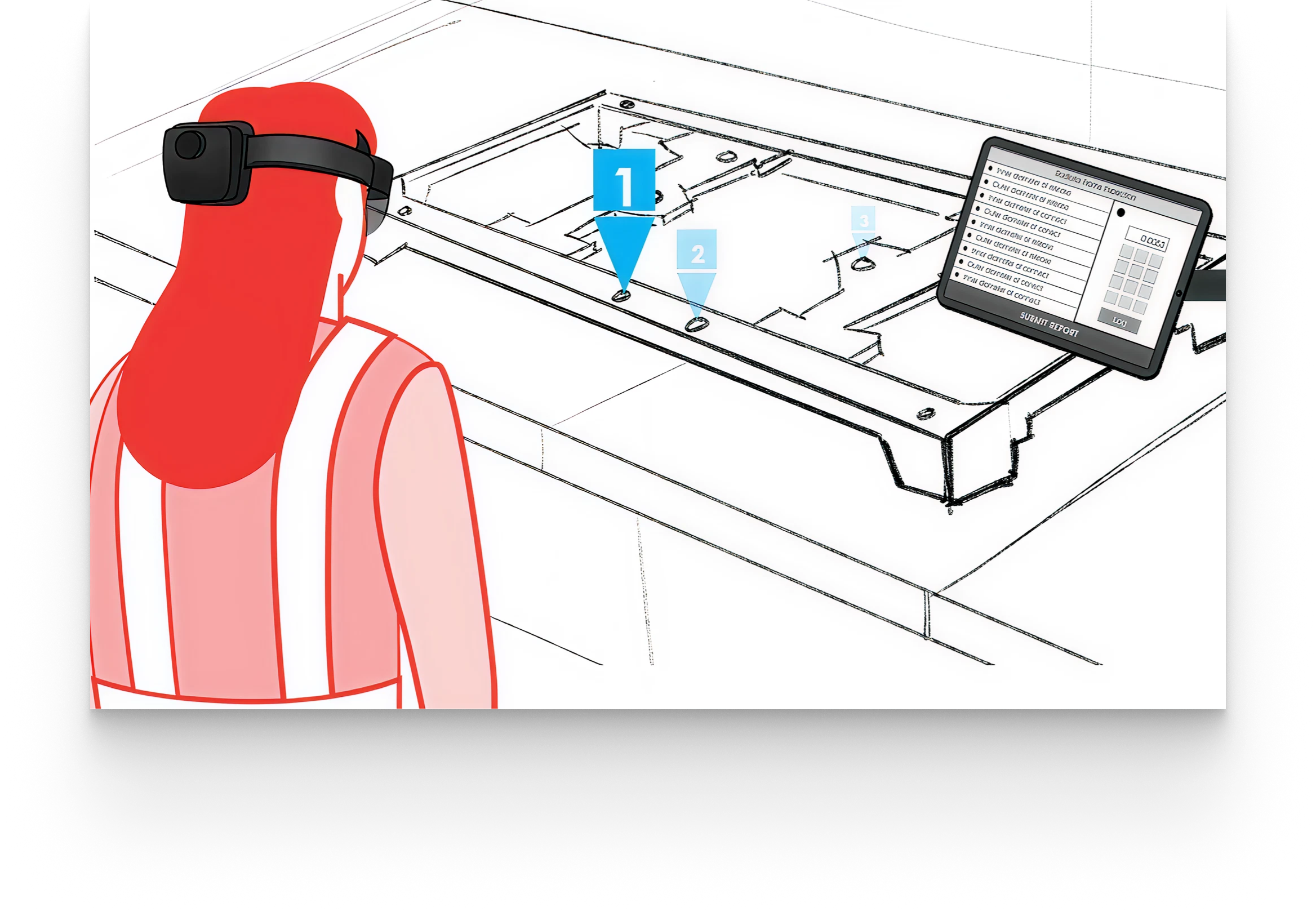
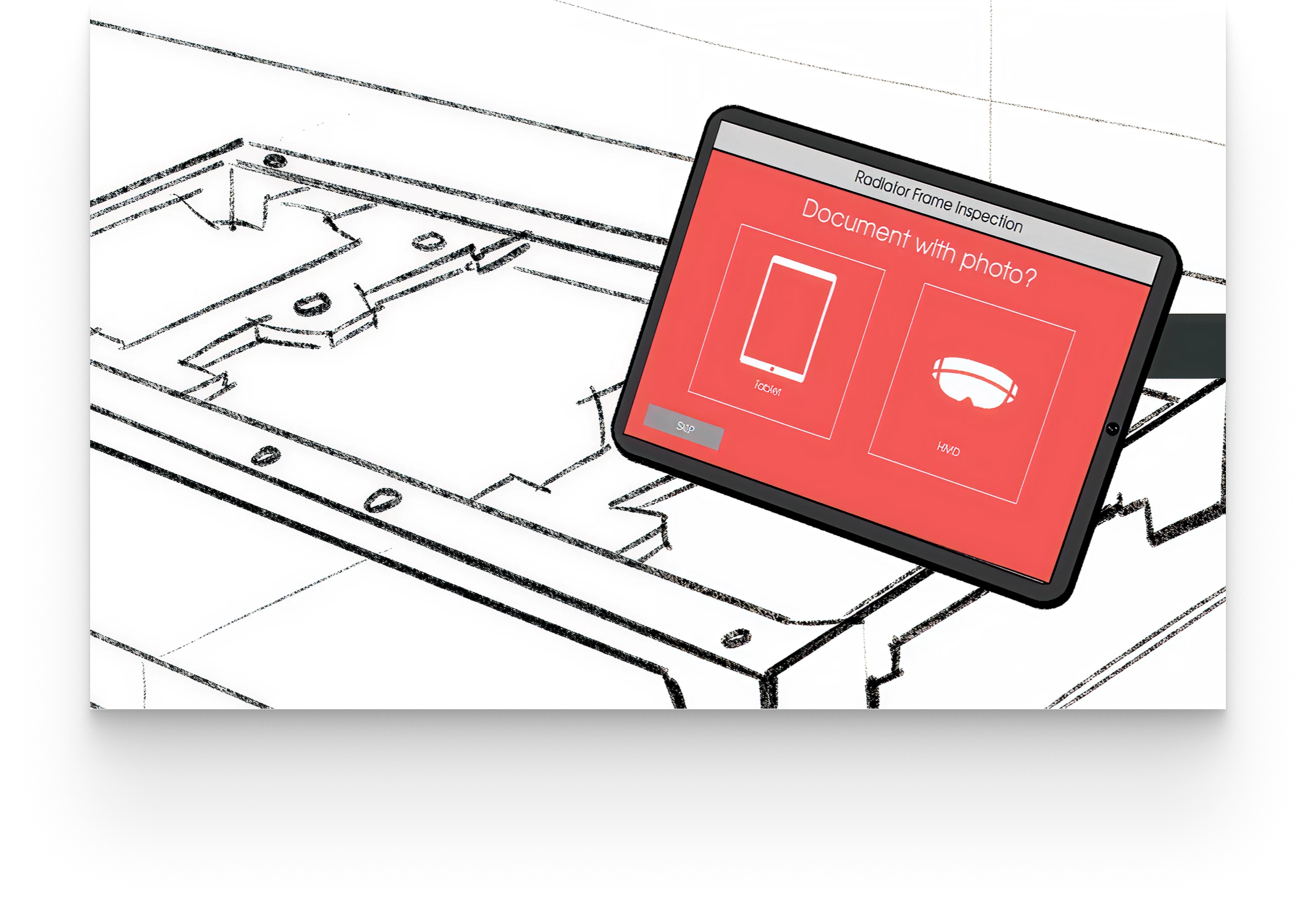
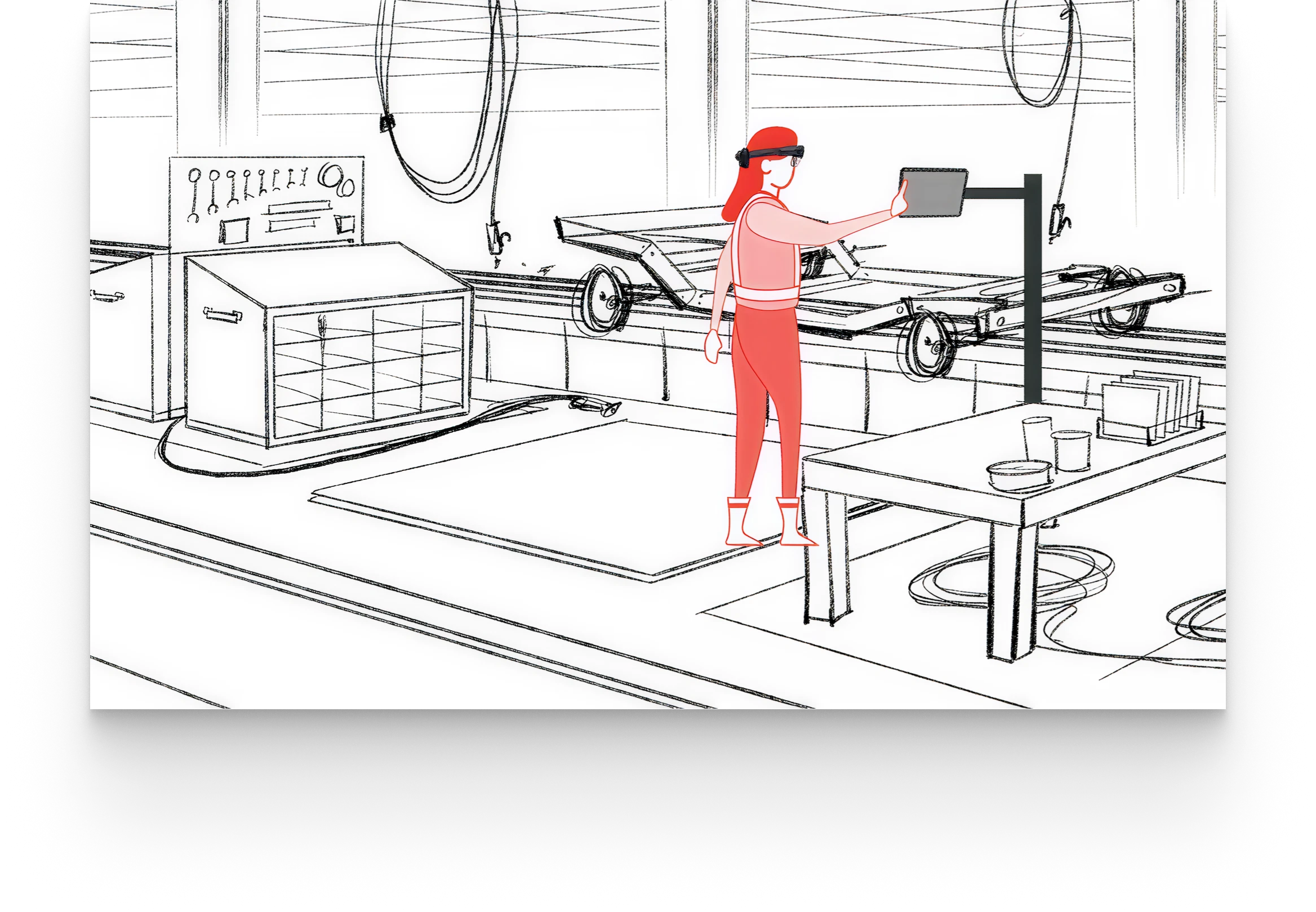
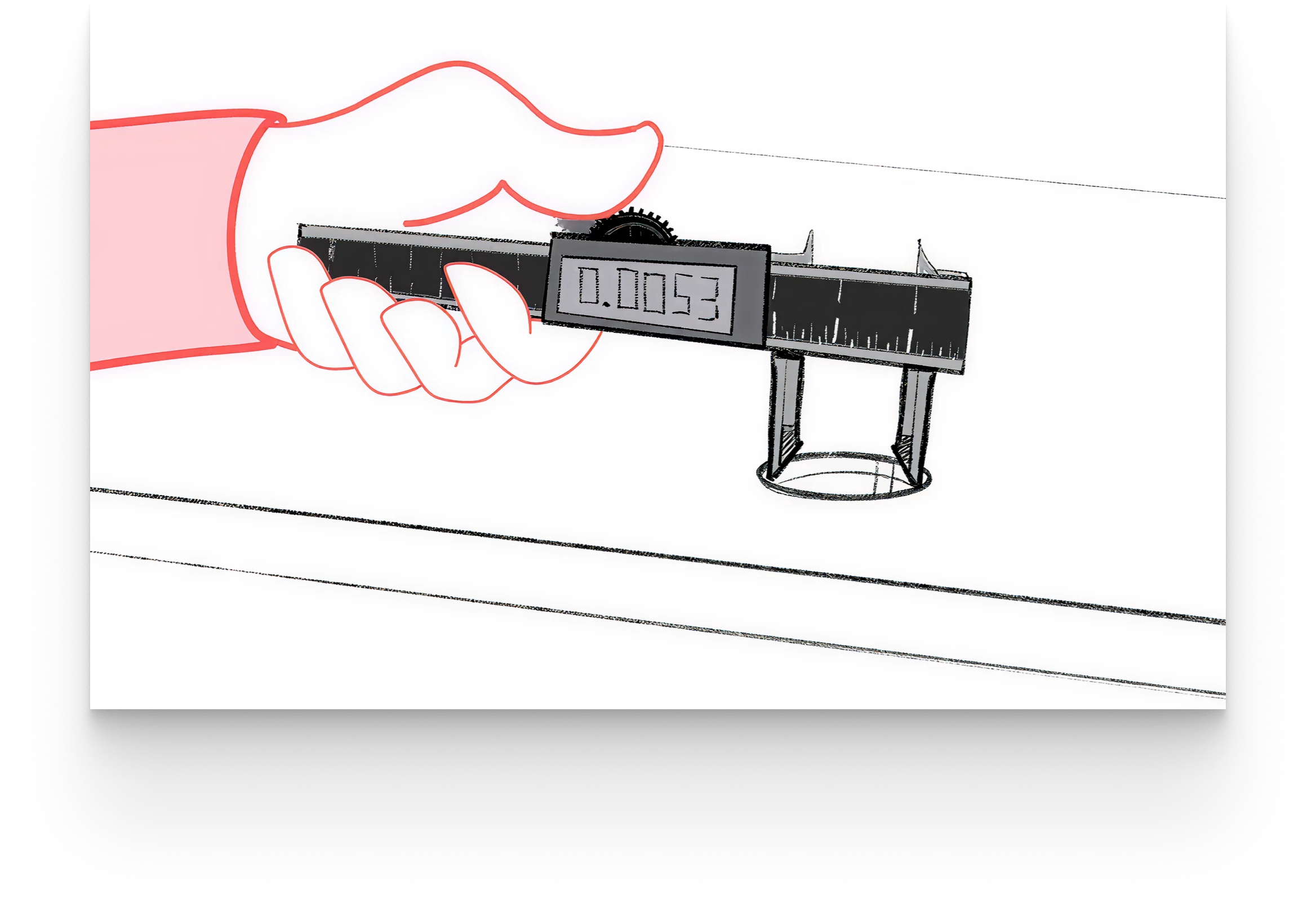
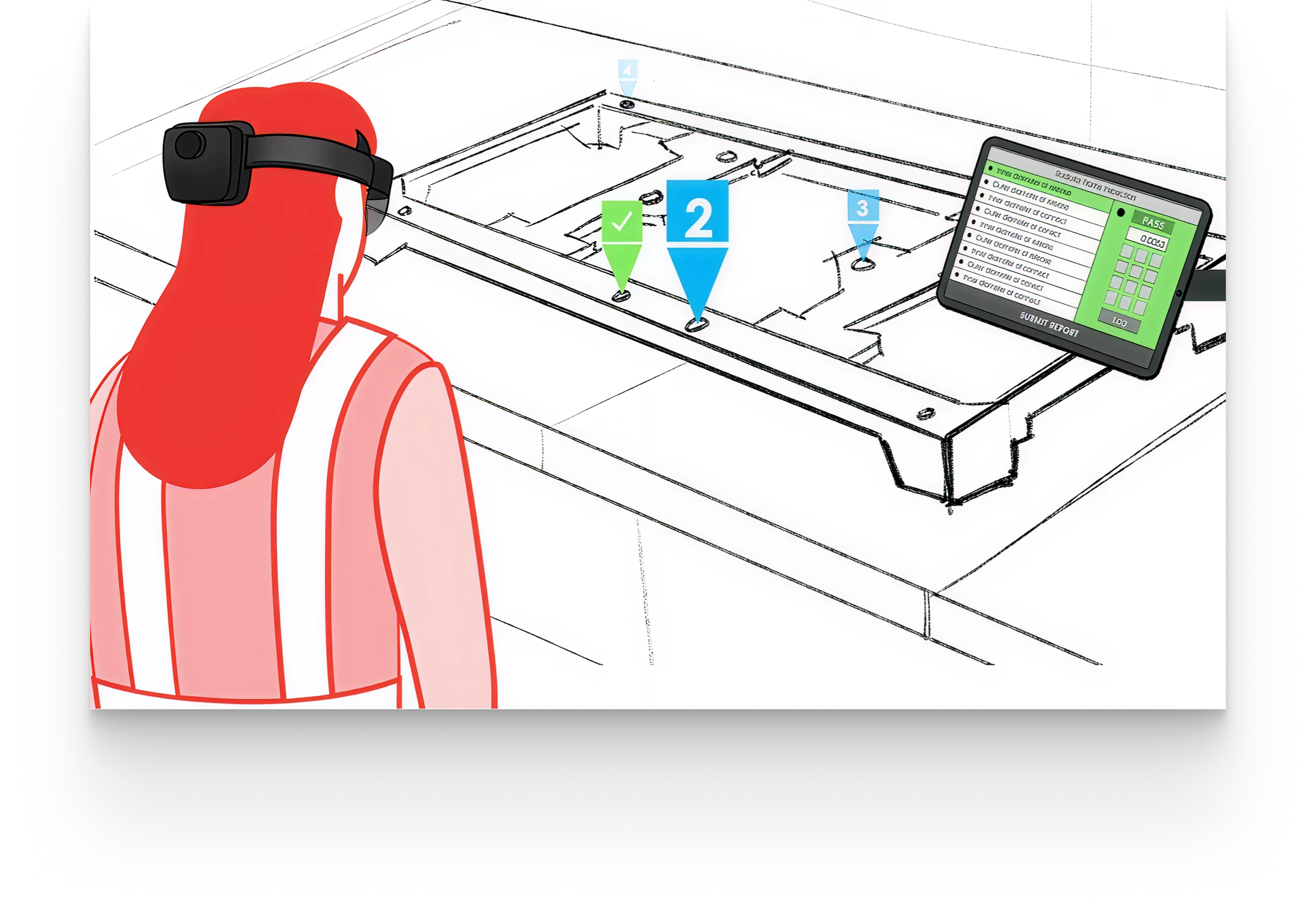
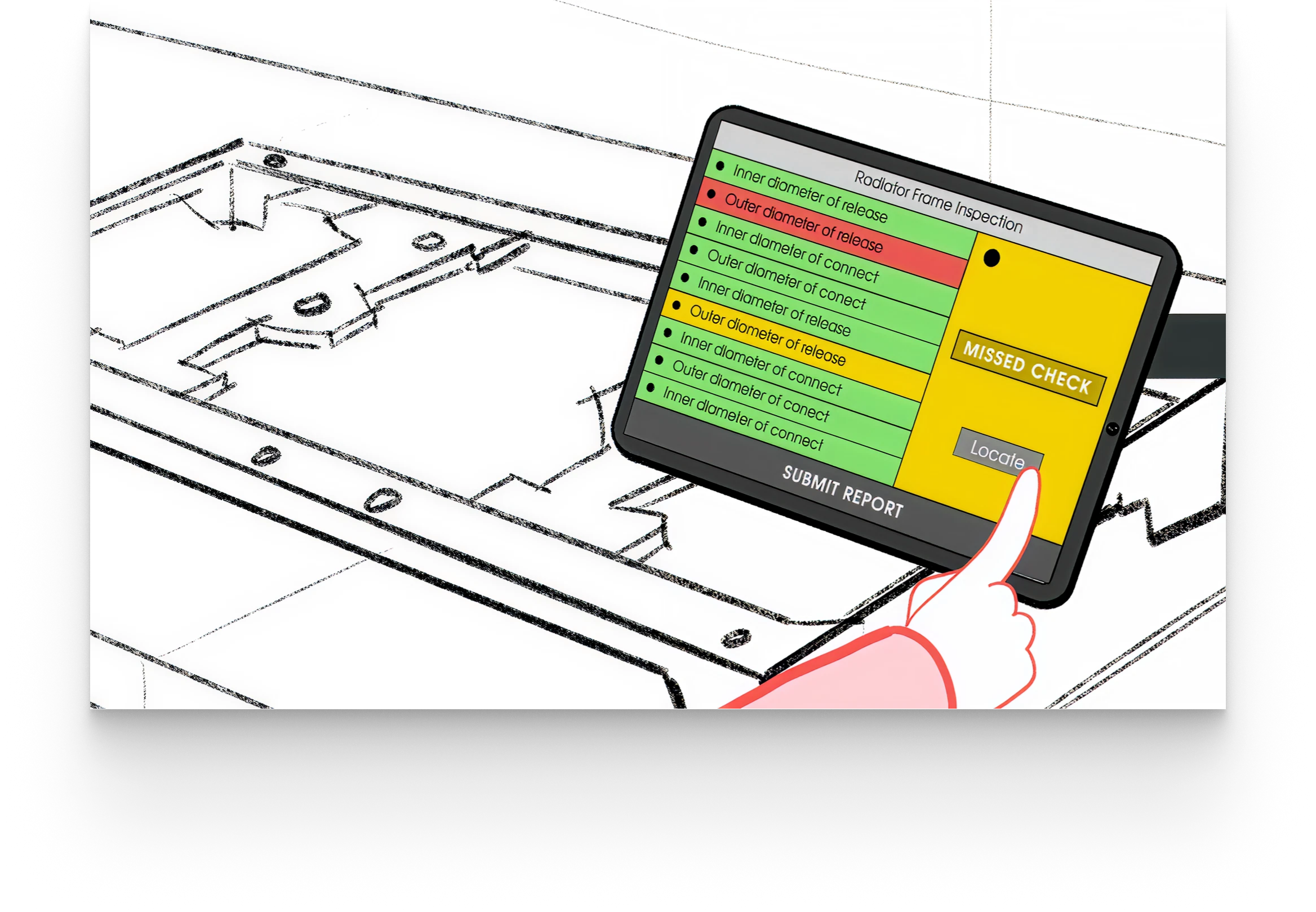
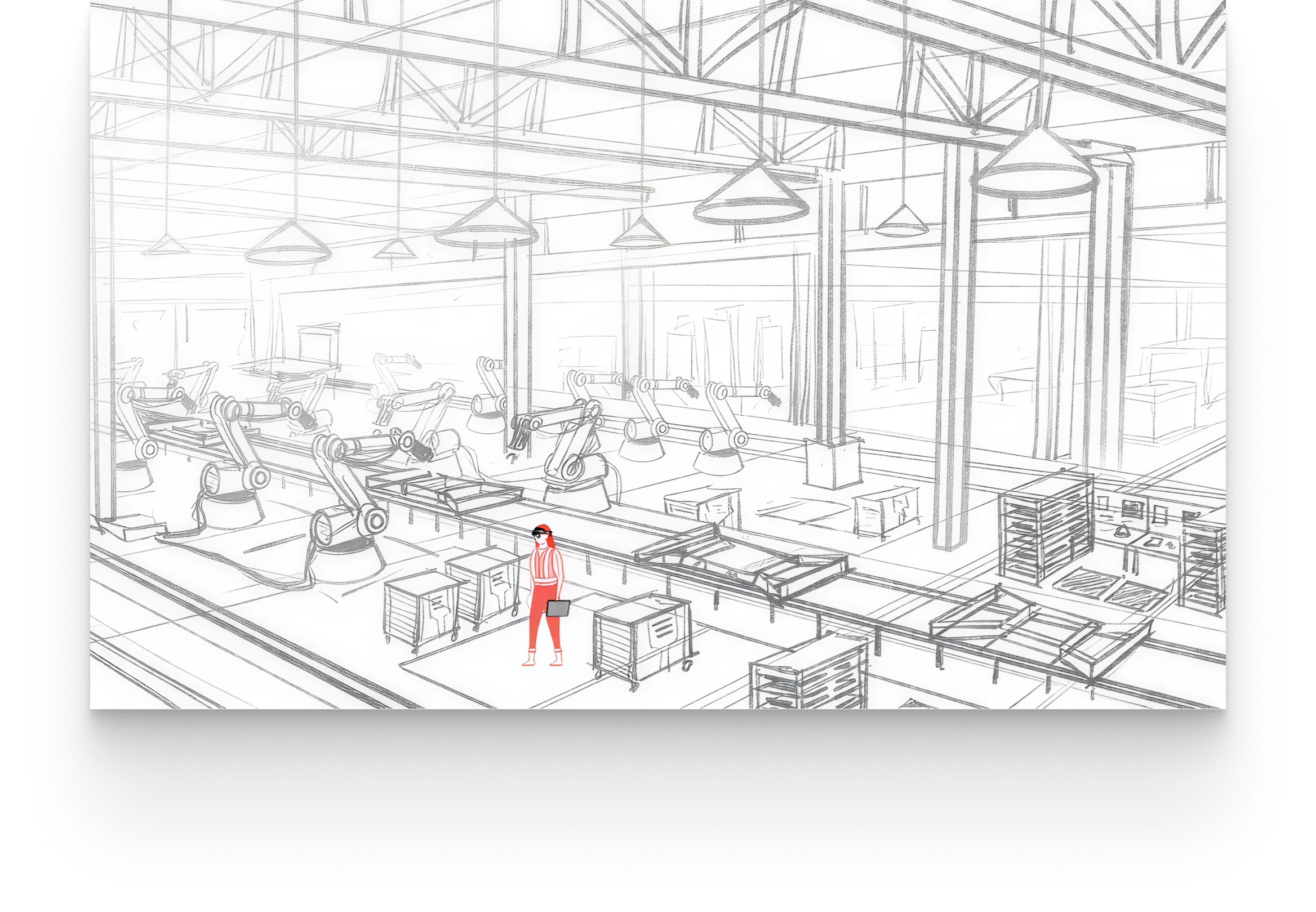
An augmented inspection for technicians, guiding them through checks, real-time confirmations, and hands-free notes. The tablet and headset sync appears to cut down on missed steps and turns a messy process into clearer instructions to follow.
Prototyping
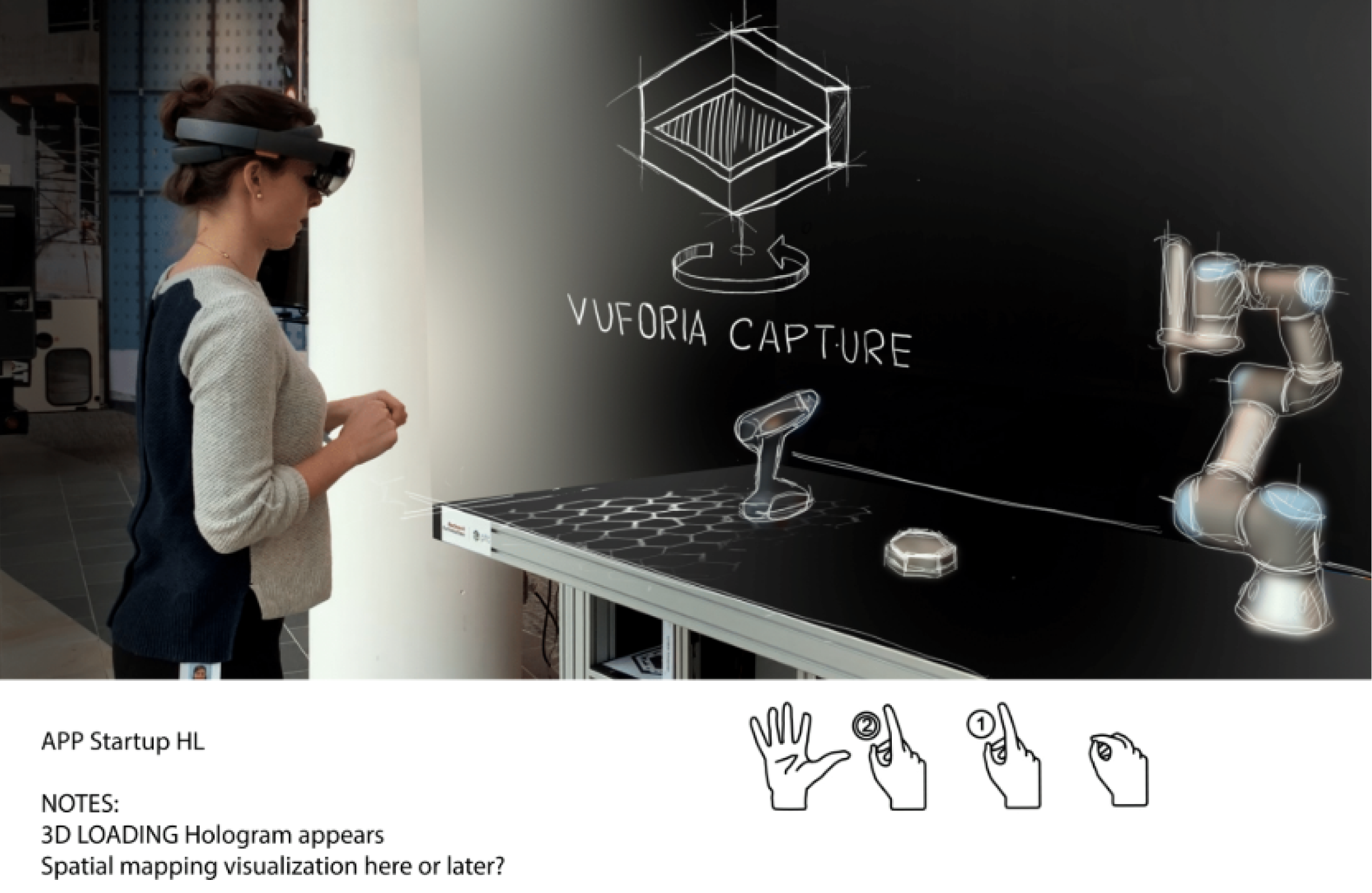
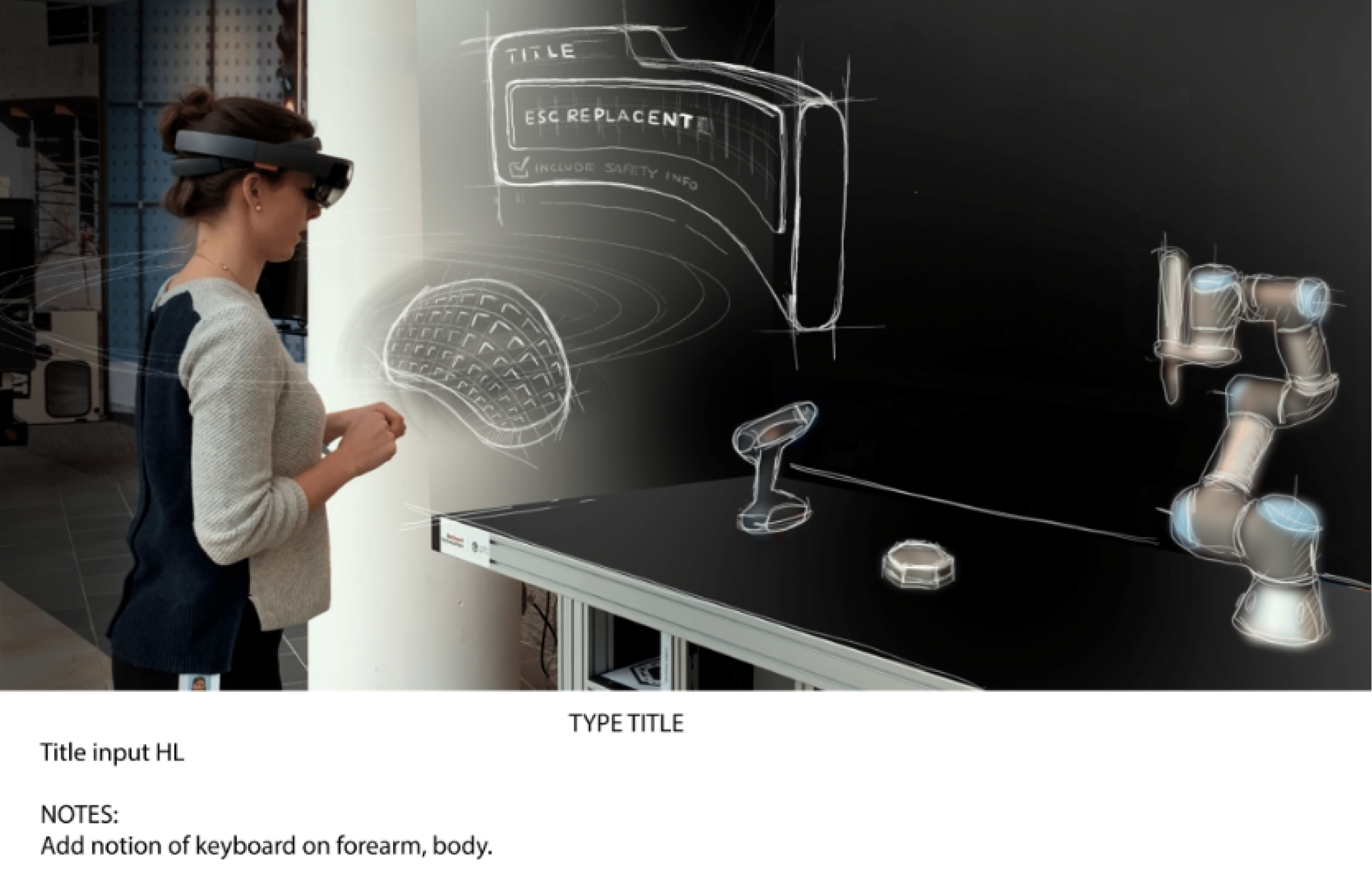
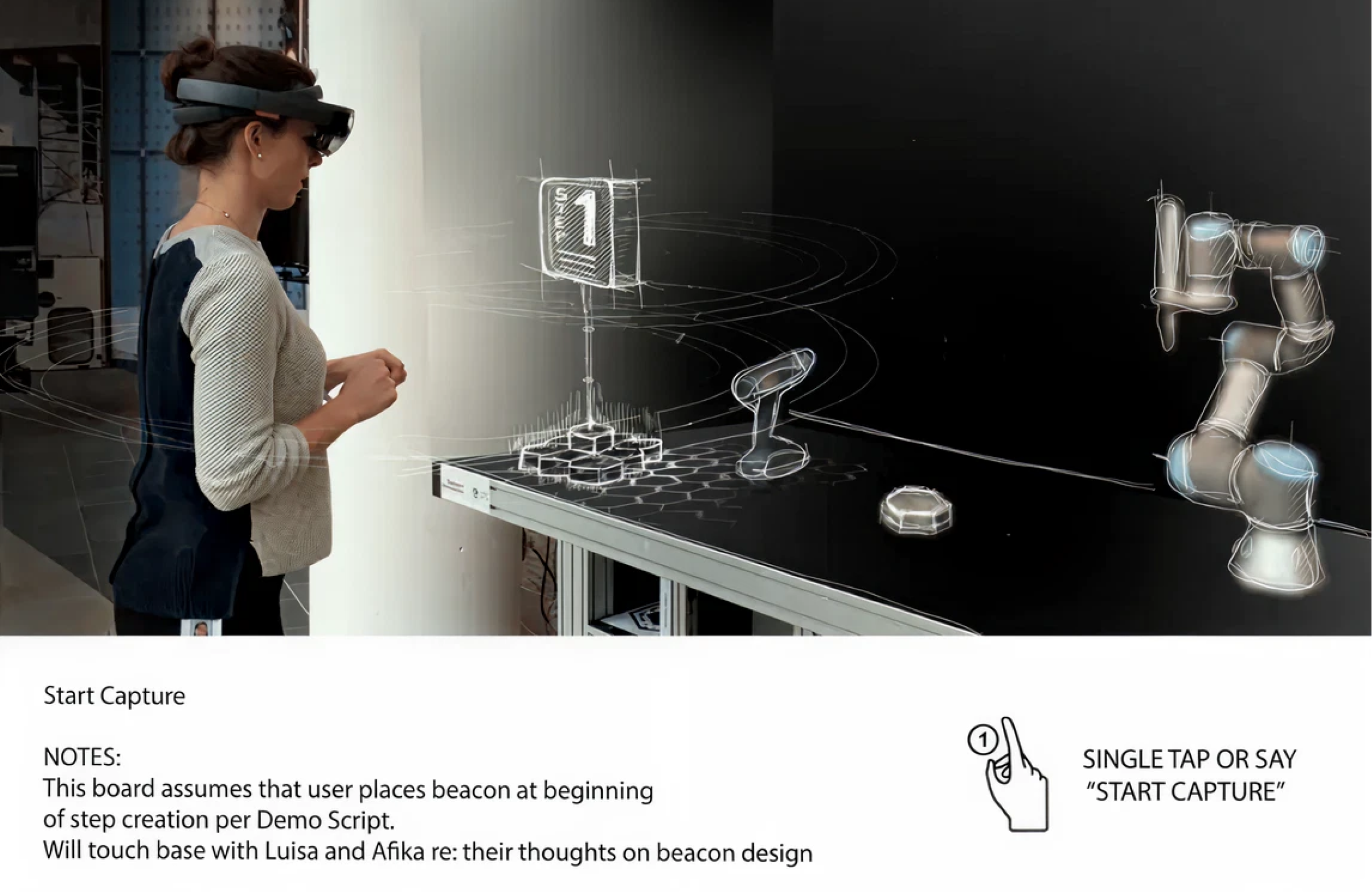
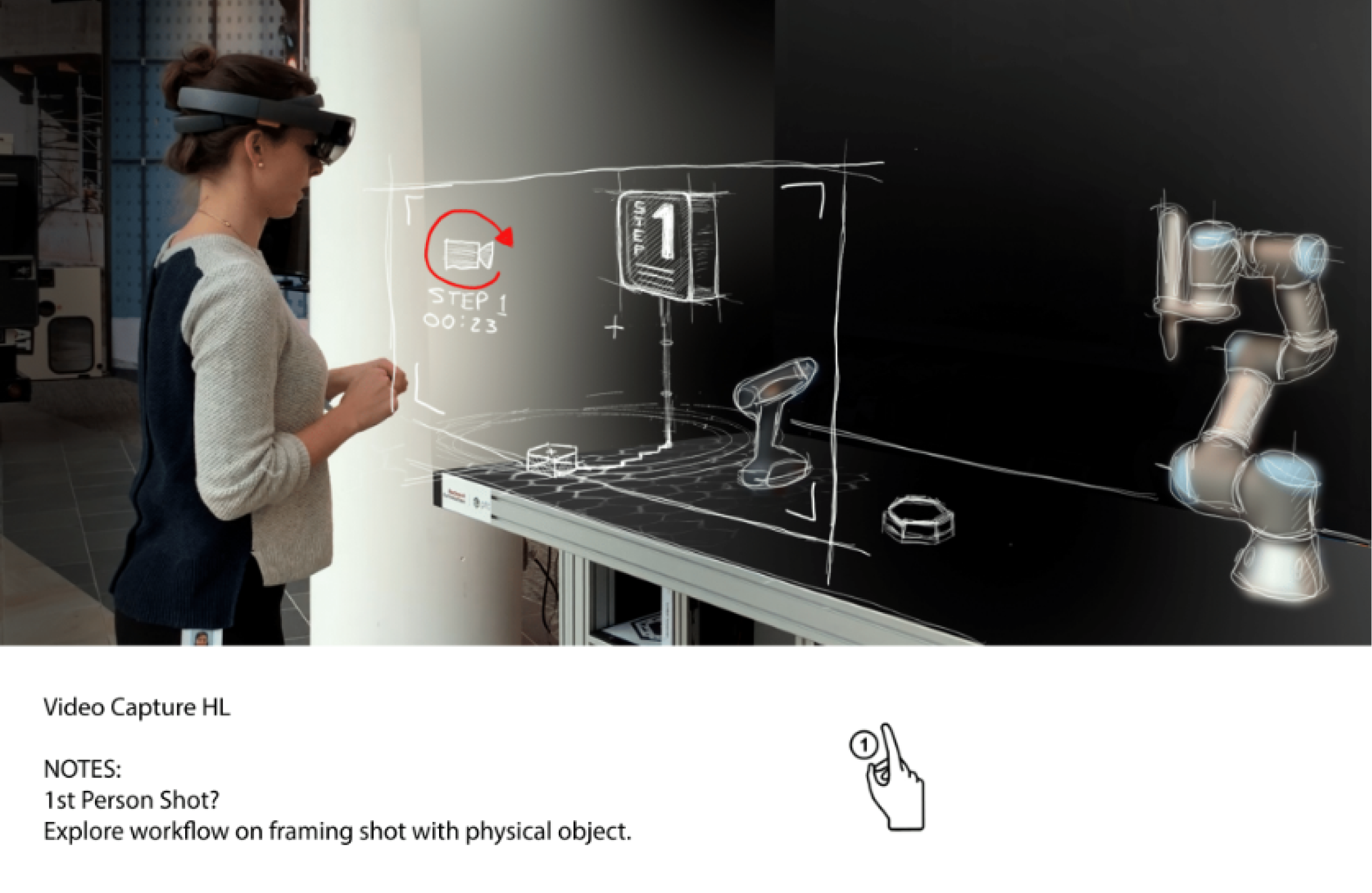
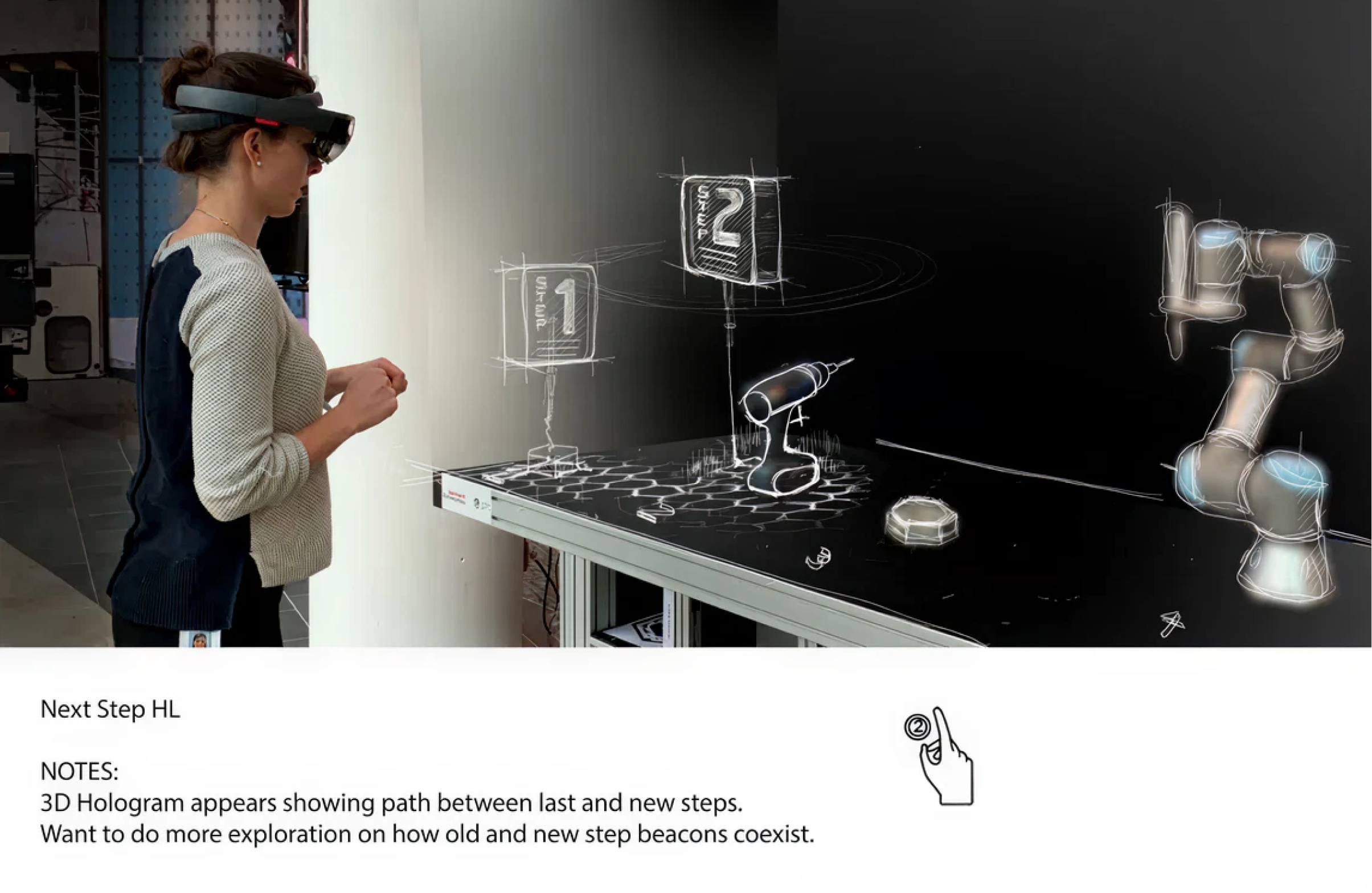
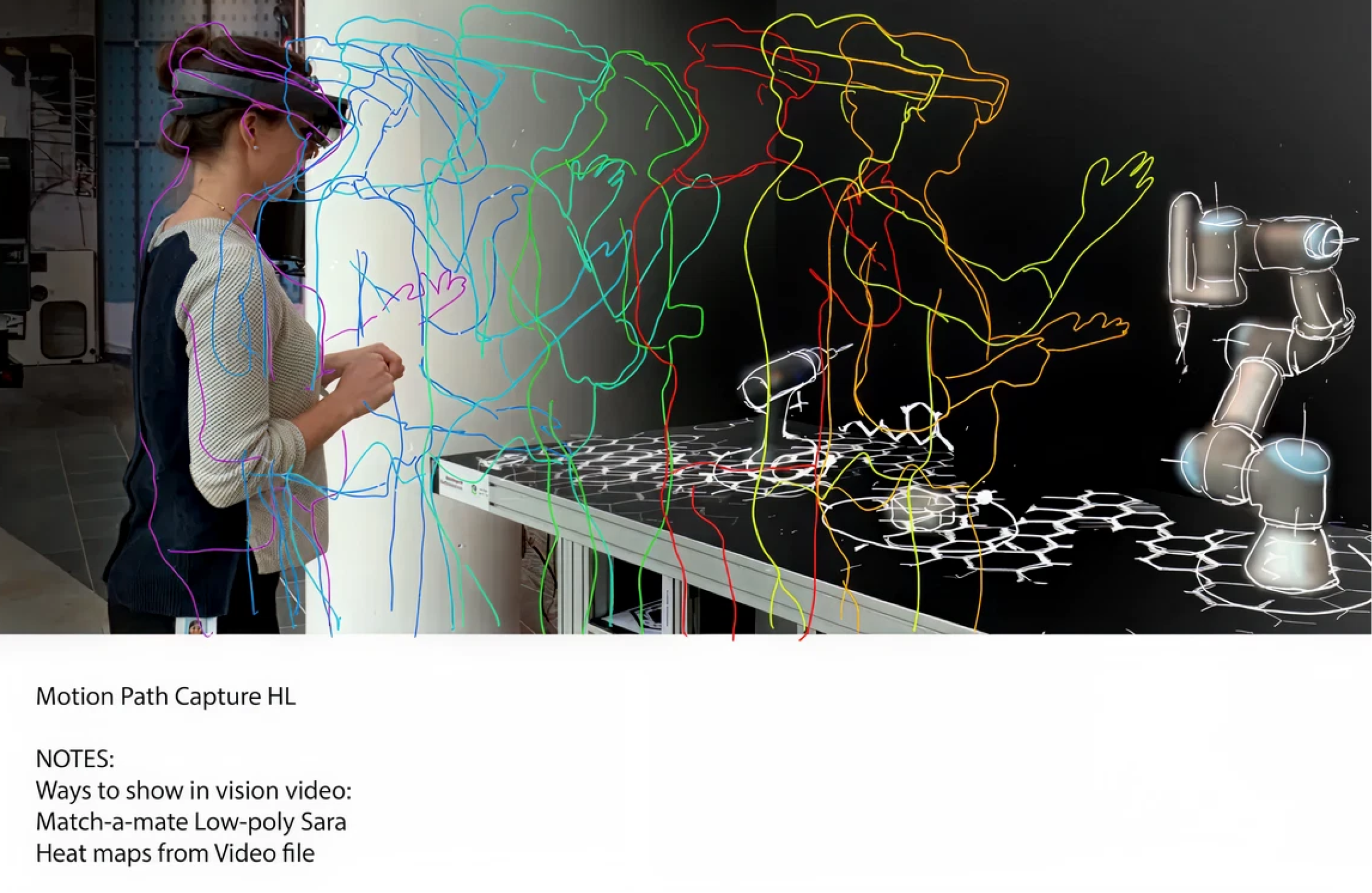
On-site contextual inquiry and prototype with RealWear and AR lenses to validate designs against real-world operational flows.
Operational Improvement
Faster publishing across 40 manufacturing facilities.
Efficiency Gain
AI voice harvesting eliminated manual transcription..
Faster Compliance
Reduced approval cycles from 5 days to 2-2.5 days.
Reflections & Impact
The Vuforia Editor improves how industrial enterprises and PTC clients preserve and transfer critical knowledge, reducing training bottlenecks and accelerating documentation workflows across 40 manufacturing sites. The solutions within the Editor empowered frontline workers with immediate access to expert guidance while freeing senior professionals to focus on strategic initiatives, ultimately reshaping how organizations approach workforce development and operational efficiency in industrial environments. This experience enhanced my technical design background, enabling me to bridge the gap between technological complexity and human expertise to create intuitive interfaces that empower frontline workers while addressing critical business objectives in industrial environments, where a confusing UI in a factory can lead to a safety incident. The Vuforia Editor succeeded because we didn’t just digitize the paper manual; we digitized the process of creating it, respecting the messy reality of how knowledge is actually captured, refined, and governed in the real world. The feature sets delivered in this case study boosted publishing speed by 20%, while AI voice harvesting drove 35% efficiency gains. Automated approval workflows cut sign-off time by 50-60%, from 5 days down to 2-2.5 days. By replacing email chains with automated, audit-ready reviews, we could sell into regulated markets. It proved that building compliance into the design makes industrial software something companies will actually buy, not just use.
Next Steps
- Looking forward, the foundation is set to move from “Assisted Curation” to “Automated Creation,” a path to autonomous documentation.
- Using AI to analyze pauses and hand movements in the video to place “Step Markers” on the timeline automatically.
- Instant translation of voice transcripts, allowing a German expert to generate English SOPs automatically./span>
- Replacing password-based approvals with “Voice Signatures,” allowing safety officers to approve releases hands-free.